Dry Type Transformer Price: Complete Cost Analysis and ROI Benefits

Get a Free Quote

Our representative will contact you soon.
Email
Name
Mobile/WhatsApp
Company Name
Message
0/1000

dry type transformer price

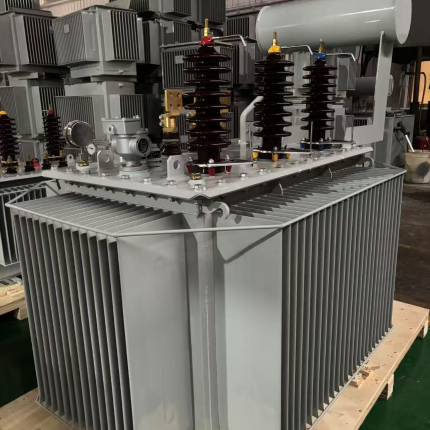
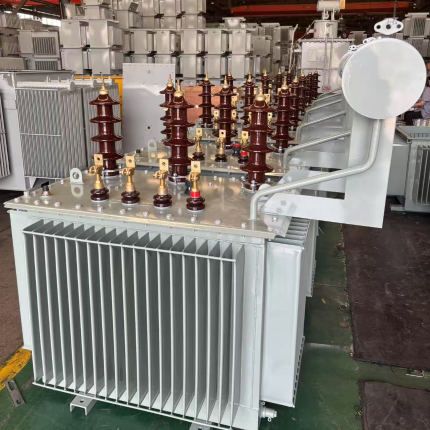
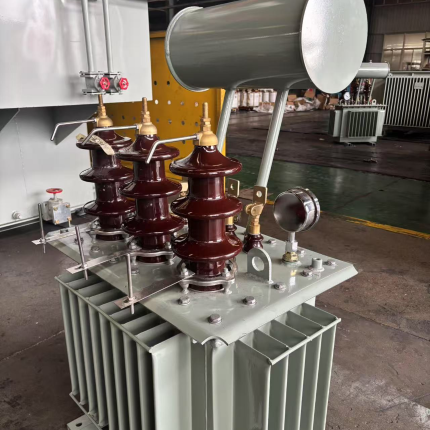
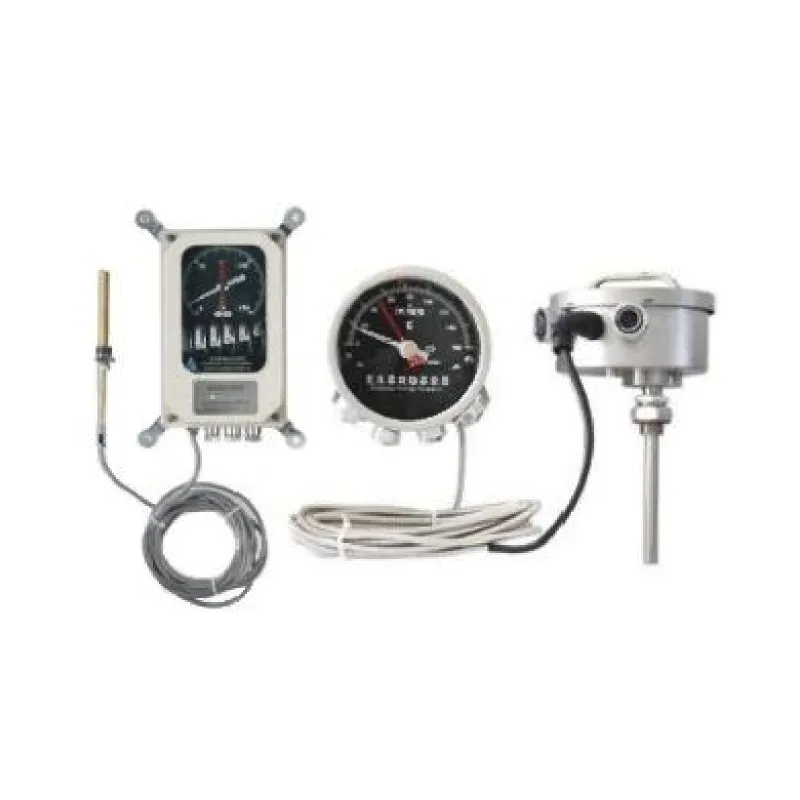
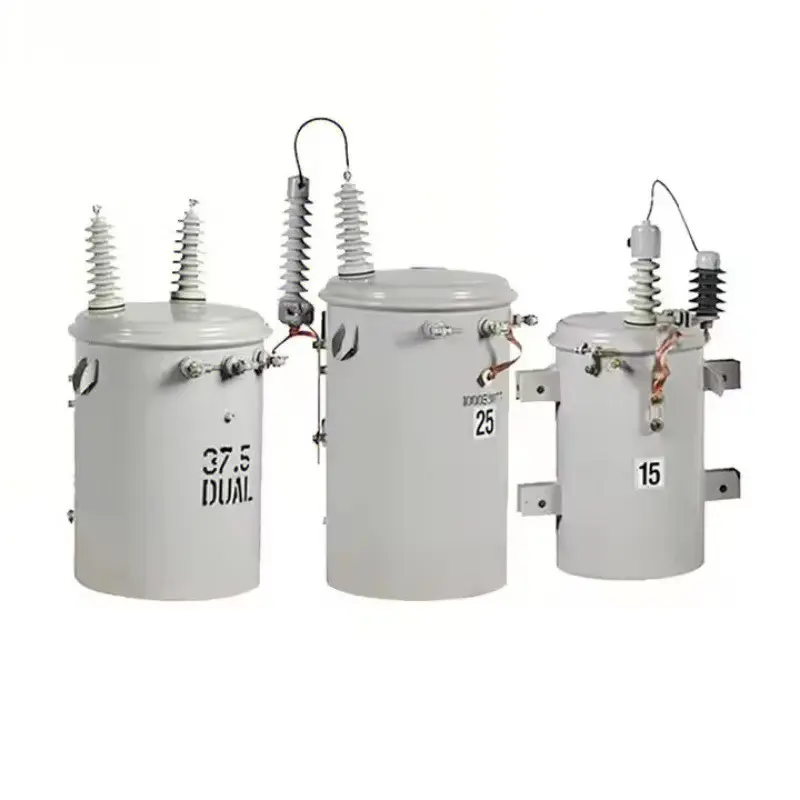
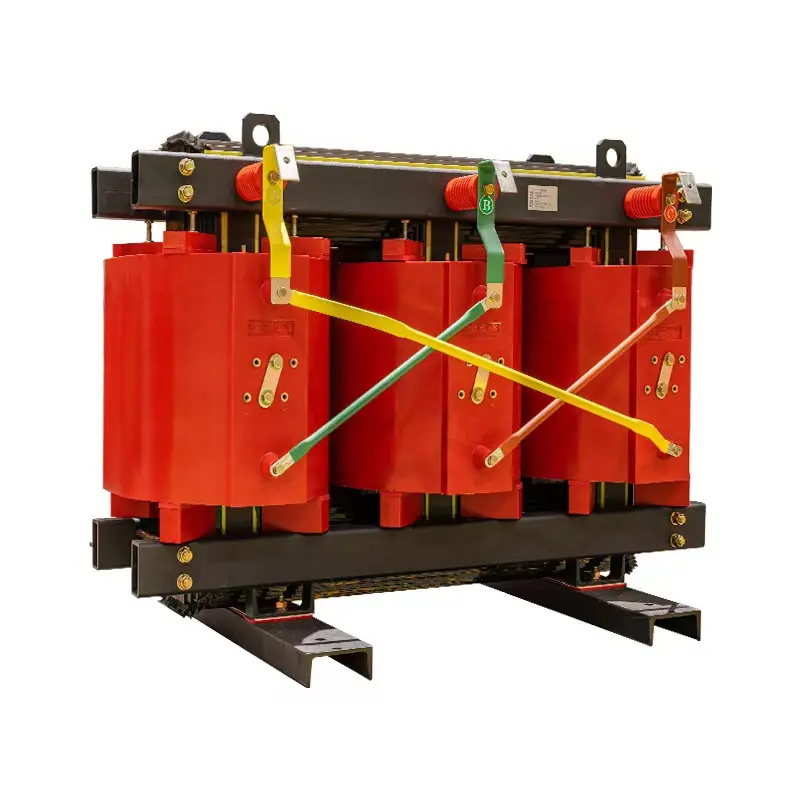
The dry type transformer price represents a crucial consideration in modern electrical infrastructure investments. These transformers, designed for both indoor and outdoor applications, offer reliable voltage transformation without the use of oil as a coolant. The price structure typically varies based on capacity ratings, ranging from 50 KVA to 3000 KVA, and installation requirements. Modern dry type transformers incorporate advanced materials like cast resin and vacuum pressure impregnation technology, which significantly influence their pricing. The cost factors include core materials, copper or aluminum windings, enclosure types, and additional features such as temperature monitoring systems. Market prices reflect the transformer's efficiency ratings, with higher efficiency models commanding premium prices but offering long-term energy savings. Installation costs must also be considered, including transportation, setup, and necessary auxiliary equipment. The price point often correlates with safety certifications and compliance with international standards such as IEC, ANSI, or IEEE. Manufacturers typically offer warranties and after-sales support, which are built into the final price structure. Understanding these price components helps buyers make informed decisions based on their specific application needs and budget constraints.

New Product Releases

The cost-effectiveness of dry type transformers presents several compelling advantages that justify their price point. These units eliminate the need for expensive oil maintenance and regular testing, resulting in lower operational costs over their lifetime. The initial investment, while potentially higher than oil-filled alternatives, is offset by reduced installation requirements and minimal maintenance expenses. Their environmentally friendly design eliminates the risk of oil leaks and associated cleanup costs, making them particularly cost-effective for indoor installations and environmentally sensitive areas. The price includes built-in fire safety features, potentially reducing insurance premiums and fire protection system requirements. Energy efficiency ratings of modern dry type transformers contribute to lower electricity bills, providing ongoing cost savings throughout their operational life. Their compact design often requires less installation space, reducing construction and housing costs. The absence of oil maintenance means no additional expenses for oil testing, filtering, or replacement. These transformers typically offer a longer service life with minimal performance degradation, ensuring better return on investment. The price includes advanced monitoring capabilities that help prevent unexpected failures and costly downtime. Their reliability in various environmental conditions reduces the need for protective enclosures or special housing, further controlling total ownership costs.

Tips And Tricks

Exceptional Supply Chain Integration, Empowering Efficient Transformer Delivery

29

Dec

Exceptional Supply Chain Integration, Empowering Efficient Transformer Delivery

View More
Xuning Leads the New Chapter of Trade by Integrating Resources Amidst Transformer Industry Transformation

29

Dec

Xuning Leads the New Chapter of Trade by Integrating Resources Amidst Transformer Industry Transformation

View More
The Pioneer of Resource Integration in the Transformer Trade Field

29

Dec

The Pioneer of Resource Integration in the Transformer Trade Field

View More

Get a Free Quote

Our representative will contact you soon.
Email
Name
Mobile/WhatsApp
Company Name
Message
0/1000

dry type transformer price

Cost-Effective Lifecycle Management

Cost-Effective Lifecycle Management

The price structure of dry type transformers reflects their superior lifecycle cost management capabilities. Initial procurement costs are balanced against minimal maintenance requirements throughout the operational lifespan, typically 20-30 years. The design eliminates the need for periodic oil changes and testing, reducing routine maintenance expenses by up to 60% compared to traditional oil-filled units. Advanced monitoring systems included in the price package enable predictive maintenance strategies, preventing costly emergency repairs and extending service life. The total cost of ownership calculation demonstrates significant savings in operational expenses, making the initial investment more attractive for long-term planning. These transformers require fewer specialized maintenance personnel and less frequent inspections, further reducing ongoing costs.
Environmental and Safety Cost Benefits

Environmental and Safety Cost Benefits

The pricing of dry type transformers includes inherent environmental and safety advantages that translate into tangible cost benefits. The absence of oil eliminates the risk of environmentally hazardous spills, potentially saving thousands in cleanup costs and regulatory fines. Fire-resistant materials used in construction reduce insurance premiums and fire suppression system requirements. The environmentally friendly design often qualifies for green building certifications and potential tax incentives. Installation costs are typically lower due to reduced fire protection requirements and simpler containment needs. The price includes features that ensure compliance with strict environmental regulations, preventing future upgrade expenses.
Energy Efficiency and Operating Cost Savings

Energy Efficiency and Operating Cost Savings

The price point of dry type transformers reflects their superior energy efficiency design, directly impacting operating costs. High-quality core materials and advanced winding techniques minimize energy losses, resulting in lower electricity bills throughout the transformer's lifetime. The initial investment includes features that maintain consistent efficiency levels even under varying load conditions. Temperature monitoring systems and automatic cooling controls optimize performance and prevent energy waste. The design incorporates the latest energy-saving technologies, helping organizations meet energy efficiency targets and potentially qualify for utility incentives. The reduced heat generation compared to oil-filled units can lower HVAC requirements in indoor installations, providing additional energy savings.
Dry Type Transformer Price: Complete Cost Analysis and ROI Benefits

Get a Free Quote

Our representative will contact you soon.
Email
Name
Mobile/WhatsApp
Company Name
Message
0/1000