Dry Transformer Pricing Guide: Comprehensive Cost Analysis and Value Proposition

Get a Free Quote

Our representative will contact you soon.
Email
Name
Mobile/WhatsApp
Company Name
Message
0/1000

dry transformer price

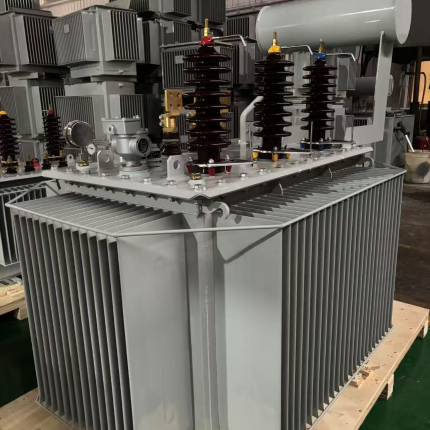
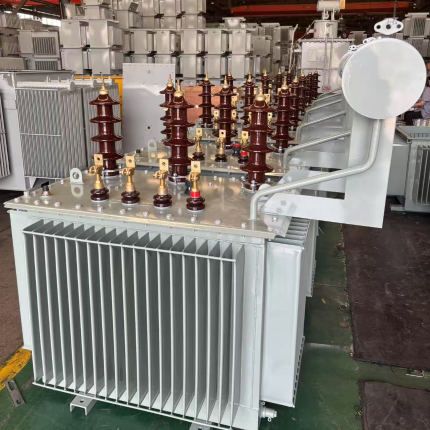
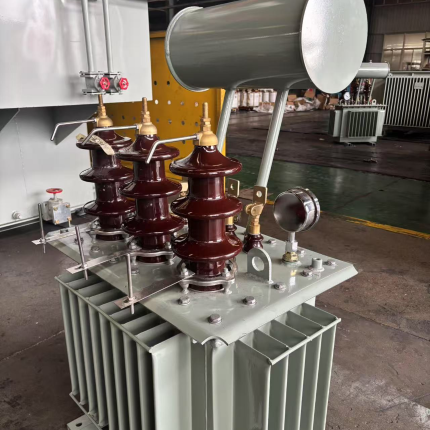
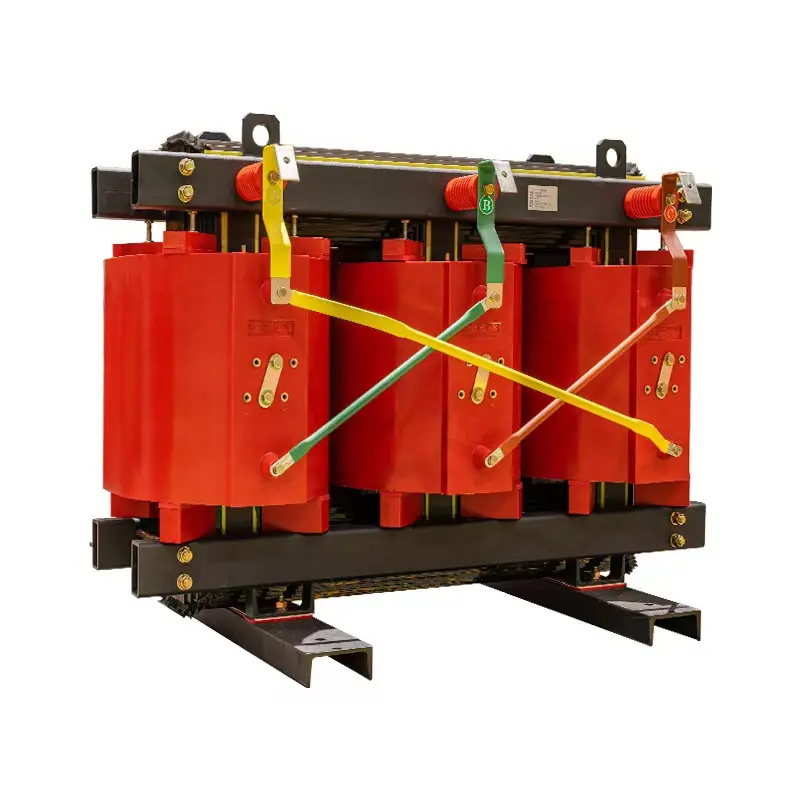
Dry transformer price considerations encompass various factors that influence the overall cost and value proposition of these essential power distribution components. These transformers, characterized by their air-cooled design and absence of liquid insulation, typically range from $5,000 to $50,000 depending on capacity and specifications. The pricing structure reflects the advanced technology incorporated, including high-grade insulation materials, efficient core designs, and sophisticated voltage regulation systems. Modern dry transformers feature vacuum pressure impregnated (VPI) technology, ensuring superior insulation and longer service life, which justifies their competitive market positioning. The price point also accounts for the transformer's capacity, ranging from small 5 kVA units to large 3000 kVA installations, with corresponding price adjustments. Environmental factors, installation requirements, and maintenance costs are factored into the overall pricing strategy, making dry transformers a cost-effective solution for various applications including commercial buildings, industrial facilities, and renewable energy installations. The initial investment in a quality dry transformer often results in lower total cost of ownership due to reduced maintenance requirements and enhanced energy efficiency.

New Product Releases

The pricing structure of dry transformers offers several compelling advantages that justify the initial investment. Firstly, the cost-effectiveness becomes apparent through reduced maintenance requirements, as these units don't require oil monitoring or periodic fluid replacement, resulting in significant long-term savings. The price point includes built-in safety features that eliminate the risk of oil leakage and fire hazards, potentially reducing insurance premiums and compliance costs. Energy efficiency ratings are reflected in the pricing, with modern dry transformers offering up to 98% efficiency, translating to lower operational costs over the equipment's lifetime. The competitive pricing also accounts for the transformers' compact design, which minimizes installation space requirements and associated real estate costs. Environmental considerations are built into the price, as dry transformers don't require additional containment systems or special disposal procedures, reducing both initial and end-of-life costs. The pricing structure includes robust warranty coverage, reflecting manufacturer confidence in product reliability and longevity. Additionally, the scalable nature of dry transformer pricing allows organizations to select units that precisely match their power requirements, optimizing initial investment and operating costs. The price point also factors in the transformers' ability to handle temporary overloads, providing operational flexibility without requiring immediate upgrades.

Practical Tips

Exceptional Supply Chain Integration, Empowering Efficient Transformer Delivery

29

Dec

Exceptional Supply Chain Integration, Empowering Efficient Transformer Delivery

View More
Xuning Leads the New Chapter of Trade by Integrating Resources Amidst Transformer Industry Transformation

29

Dec

Xuning Leads the New Chapter of Trade by Integrating Resources Amidst Transformer Industry Transformation

View More
The Pioneer of Resource Integration in the Transformer Trade Field

29

Dec

The Pioneer of Resource Integration in the Transformer Trade Field

View More

Get a Free Quote

Our representative will contact you soon.
Email
Name
Mobile/WhatsApp
Company Name
Message
0/1000

dry transformer price

Cost-Effective Lifecycle Investment

Cost-Effective Lifecycle Investment

The pricing model of dry transformers represents a strategic long-term investment that delivers substantial value throughout the equipment's operational life. The initial price point encompasses advanced manufacturing techniques and premium materials that ensure extended service life, typically 25-30 years with proper maintenance. This longevity, combined with minimal maintenance requirements, results in a lower total cost of ownership compared to traditional oil-filled alternatives. The pricing structure includes features that protect against environmental factors and electrical stresses, reducing the likelihood of costly repairs or premature replacement. Furthermore, the energy efficiency ratings built into the price point contribute to ongoing cost savings through reduced power losses and improved performance under varying load conditions.
Flexible Payment and Financing Options

Flexible Payment and Financing Options

Modern dry transformer pricing schemes offer versatile financing solutions that accommodate various budget requirements and procurement strategies. Manufacturers and suppliers typically provide multiple payment options, including direct purchase, lease-to-own arrangements, and customized financing plans. The pricing structure can be adjusted to include installation services, extended warranties, and preventive maintenance packages, allowing organizations to bundle these essential services into a single manageable cost. This flexibility enables businesses to optimize their capital expenditure while ensuring access to high-quality transformer solutions. Additionally, many suppliers offer competitive terms that align with project timelines and cash flow requirements, making advanced transformer technology accessible to a broader range of customers.
Performance-Based Pricing Tiers

Performance-Based Pricing Tiers

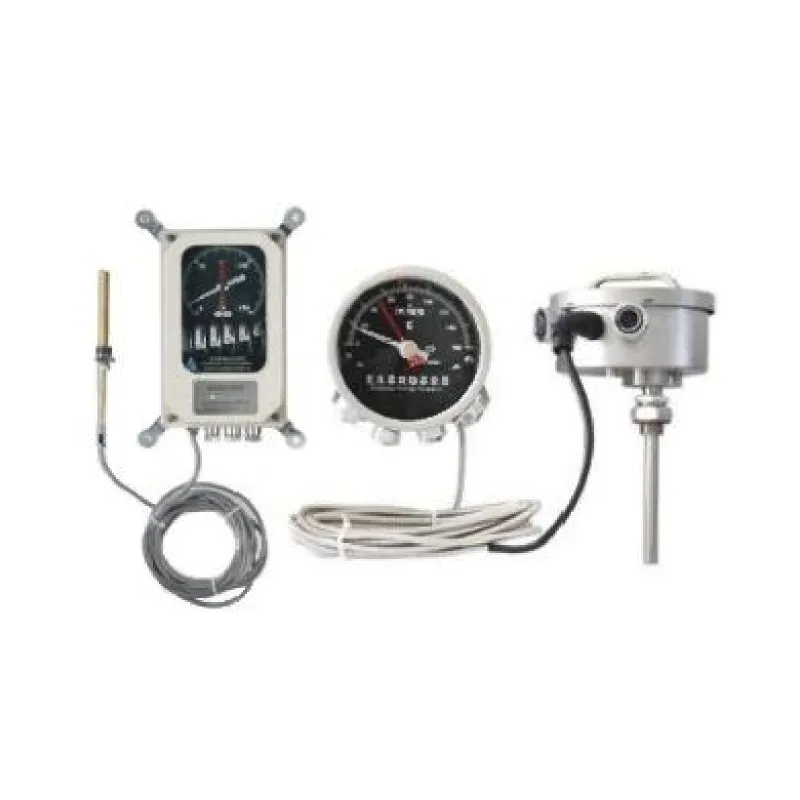
The dry transformer market features a sophisticated pricing tier system that correlates directly with performance specifications and application requirements. Different price points reflect varying levels of efficiency, power handling capacity, and specialized features such as advanced monitoring systems or enhanced overload capabilities. This tiered approach allows customers to select the optimal balance between cost and performance for their specific needs. Higher-tier pricing includes advanced features such as digital monitoring interfaces, superior insulation systems, and enhanced protection against harmonics and voltage fluctuations. The pricing structure also accounts for customization options, enabling organizations to specify exact voltage ratings, mounting configurations, and enclosure types while maintaining cost-effectiveness.
Dry Transformer Pricing Guide: Comprehensive Cost Analysis and Value Proposition

Get a Free Quote

Our representative will contact you soon.
Email
Name
Mobile/WhatsApp
Company Name
Message
0/1000