3 phase regulator
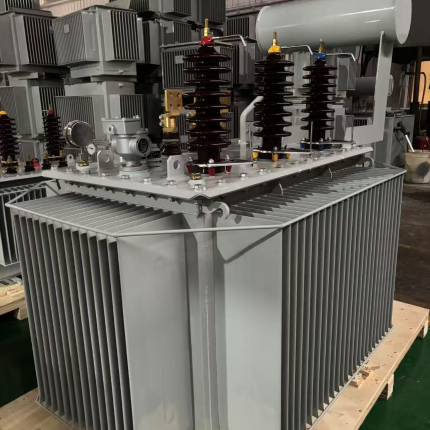
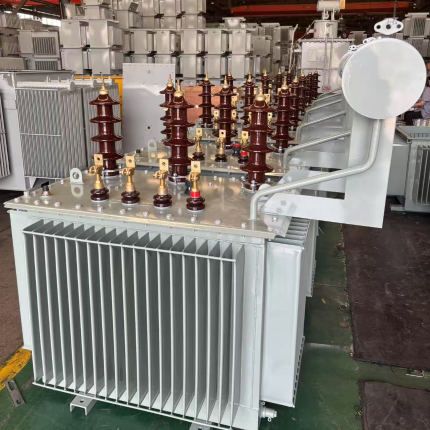
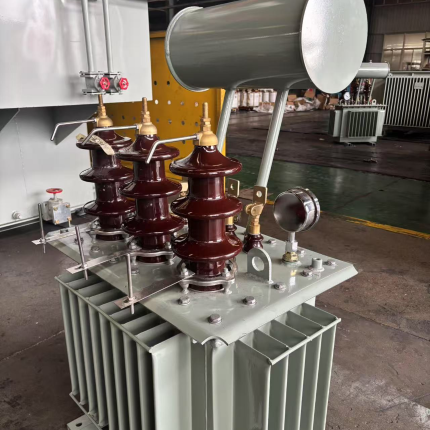
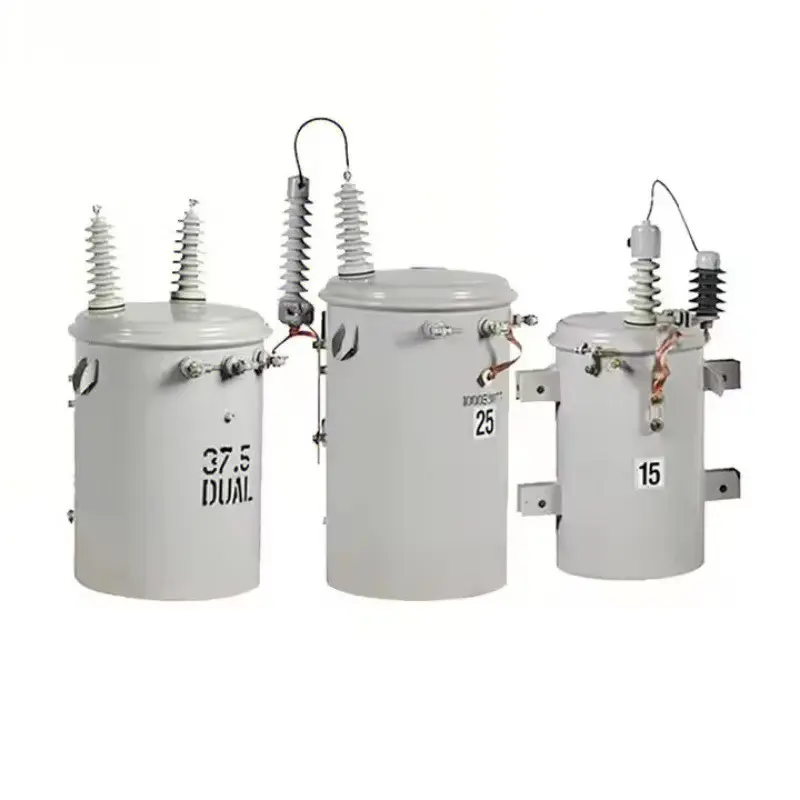
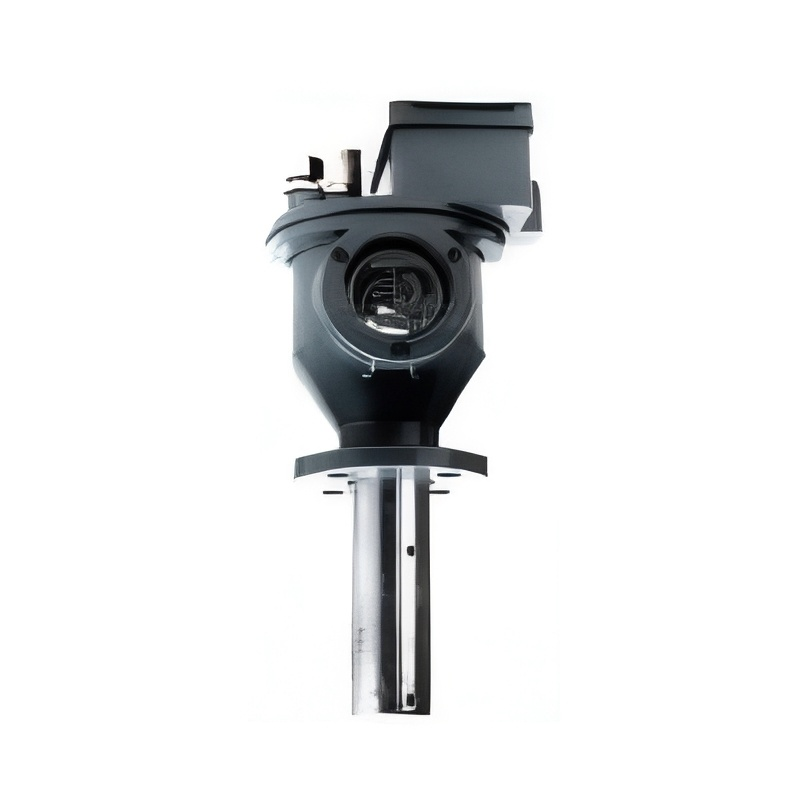
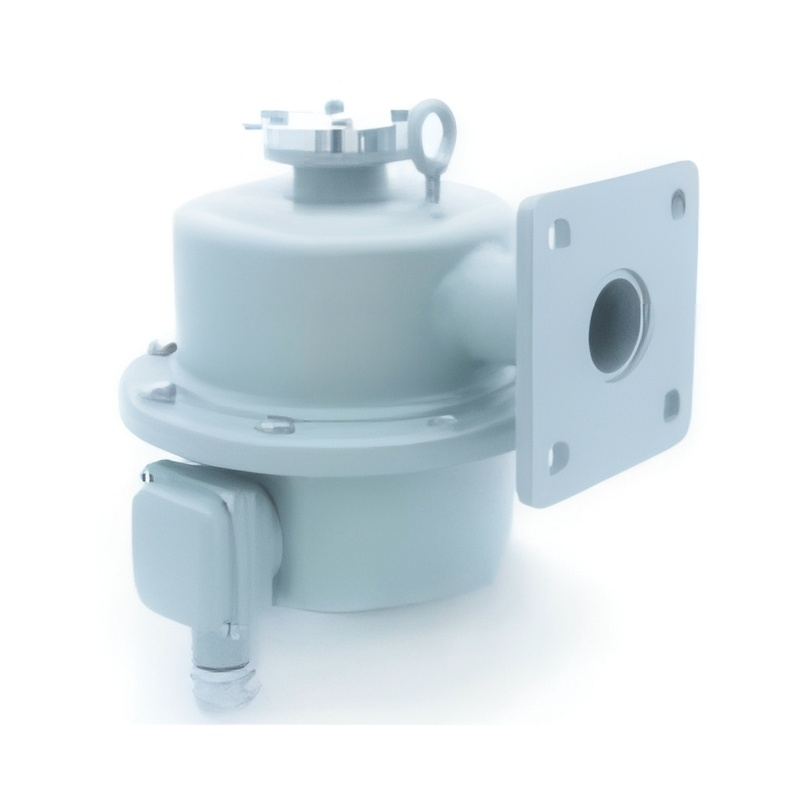
A 3 phase regulator is an essential electrical device designed to maintain stable voltage levels across three-phase power systems. This sophisticated equipment monitors and adjusts voltage fluctuations in real-time, ensuring consistent power delivery to industrial machinery, commercial buildings, and critical infrastructure. The regulator operates by continuously sampling the input voltage and making necessary corrections through a combination of electronic switching and electromagnetic components. Modern 3 phase regulators incorporate advanced microprocessor control systems that enable precise voltage regulation within ±1% of the desired output level. These devices typically feature integrated protection mechanisms against overcurrent, short circuits, and thermal overload, making them highly reliable for continuous operation. The technology employs separate control circuits for each phase, allowing independent regulation while maintaining phase balance. Applications span across various sectors, including manufacturing facilities, data centers, telecommunications equipment, and large commercial complexes where stable three-phase power is crucial. The regulators can handle power ratings from a few kVA to several hundred kVA, making them suitable for both small-scale and large industrial applications. They also often include monitoring capabilities that provide real-time status updates and historical performance data, enabling proactive maintenance and system optimization.
 EN
EN