 EN
EN

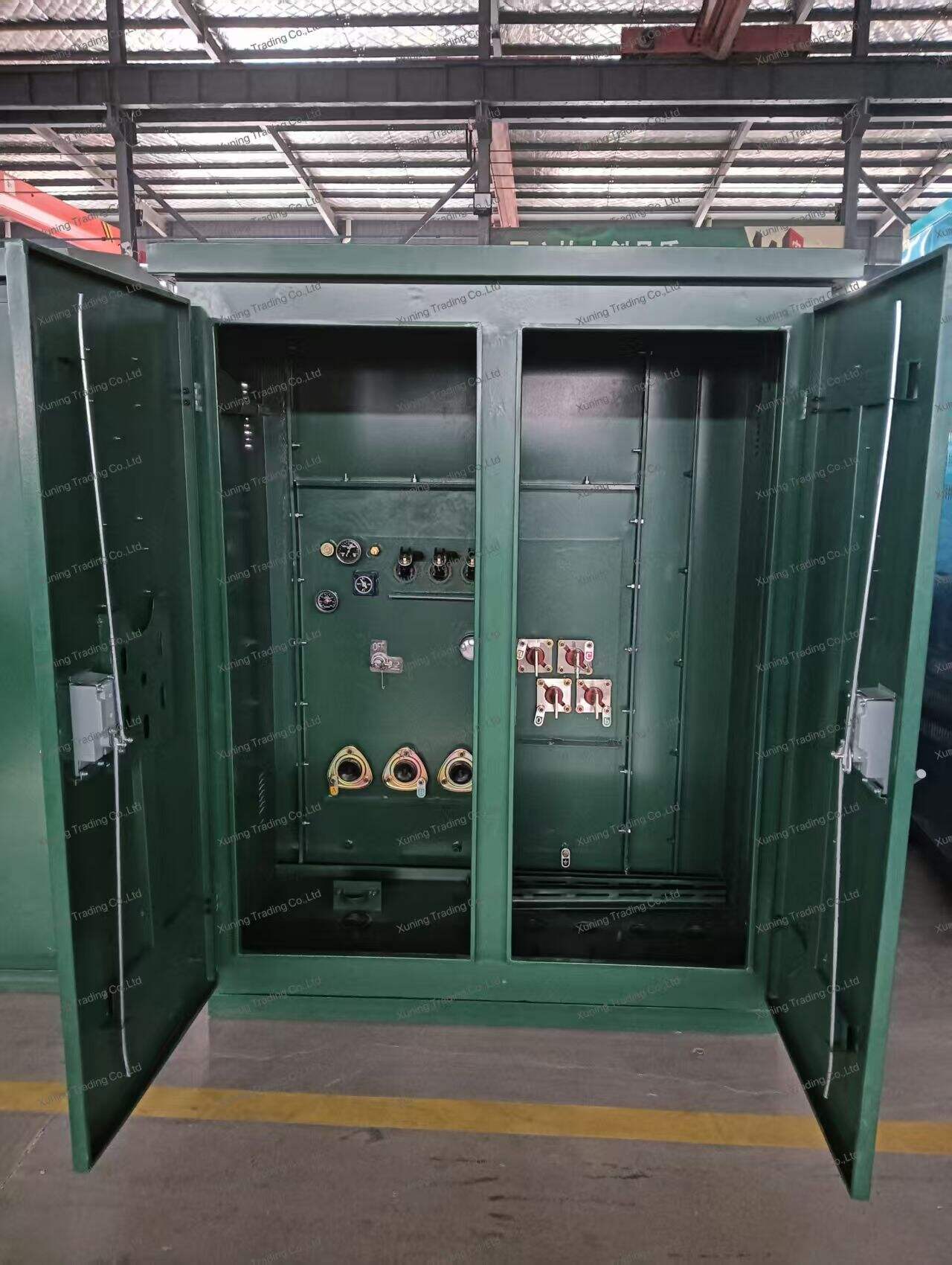
Ang mga sistema ng distribusyon ng kuryente ay bumubuo ng pundasyon ng modernong imprastruktura, na nagpapatiyak na ang maaasahang kuryente ay nararating sa mga tahanan, negosyo, at pasilidad ng industriya sa buong malalawak na heograpikong lugar. Sa loob ng kumplikadong network na ito, ang ilang partikular na kagamitan ay gumaganap ng mahahalagang tungkulin sa pagpapanatili ng antas ng boltahe, pagprotekta sa mga kircuit ng kuryente, at pagpapahintulot sa epektibong paghahatid ng kuryente sa mga end user.
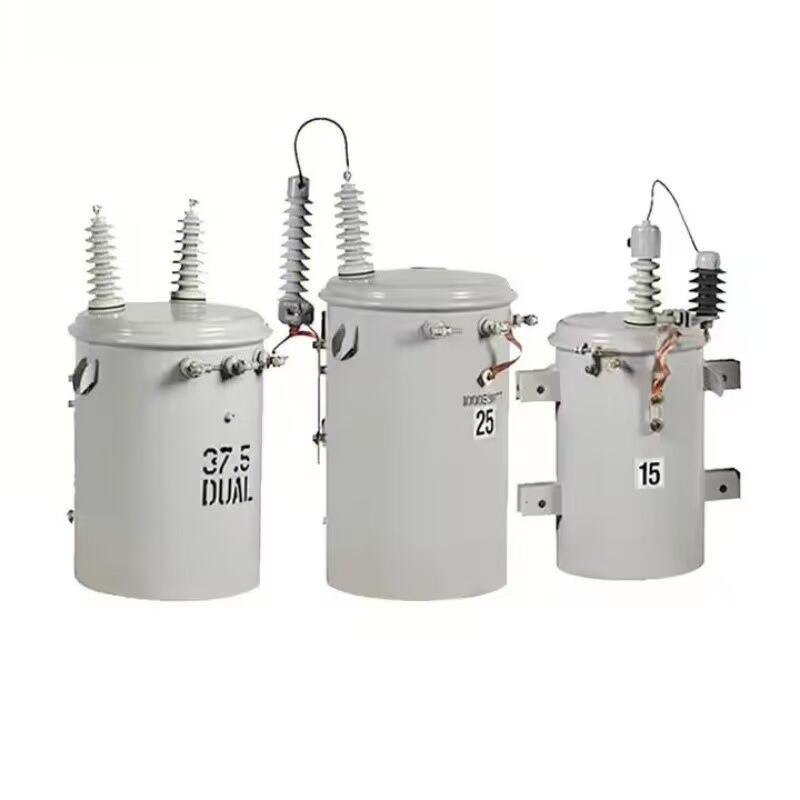
A pole distribution transformer ang pole distribution transformer ay isa sa pinakamahalagang bahagi ng mga network ng distribusyon ng kuryente, na nagsisilbing mahalagang ugnayan sa pagitan ng mataas na boltahe na mga linya ng transmisyon at mababang boltahe na mga circuit ng distribusyon na direktang naglilingkod sa mga customer. Ang pag-unawa kung bakit hindi maituturing na dispensable ang mga transformer na ito ay nangangailangan ng pagsusuri sa kanilang pangunahing tungkulin sa regulasyon ng boltahe, sa kanilang estratehikong posisyon sa loob ng imprastruktura ng distribusyon, at sa kanilang epekto sa kabuuang katiyakan at kahusayan ng sistema.
Mahahalagang Pangangailangan sa Pagbabago ng Boltahe sa mga Sistema ng Distribusyon
Pangunahing Pagbaba ng Voltage
Ang pangunahing dahilan kung bakit mahalaga ang pole-type distribution transformer ay matatagpuan sa kanyang pangunahing tungkulin na mabawasan ang voltage sa loob ng mga electrical distribution network. Ang kuryente ay ipinapadala sa mataas na voltage sa pamamagitan ng mga transmission line upang mabawasan ang pagkawala ng enerhiya sa mahabang distansya. Gayunpaman, ang mga mataas na voltage na ito—na karaniwang nasa hanay na 4,160 hanggang 34,500 volts—ay labis na mapanganib at hindi praktikal para sa diretsong paggamit ng mga residential at commercial customer na nangangailangan ng standard na voltage na 120, 240, o 480 volts.
Ang prosesong ito ng pagbabago ng boltahe ay kumakatawan sa isang mahalagang hadlang sa kaligtasan sa pagitan ng mga linya ng mataas na boltahe para sa distribusyon at ng mga aplikasyon para sa huling gumagamit. Kung walang tamang pagbaba ng boltahe sa pamamagitan ng isang transformer para sa distribusyon sa poste, ang mga kagamitang elektrikal sa mga tahanan at negosyo ay agad na mabibigo, at ang panganib ng electrocution ay magiging nakamamatay. Ang mga prinsipyo ng electromagnetic induction ng transformer ang nagpapahintulot sa ganitong pagbaba ng boltahe habang pinapanatili ang kahusayan ng paglipat ng kuryente, na ginagawa ang ligtas na paggamit ng kuryente na posible sa buong komunidad.
Ang kahusayan sa pagbabago ng boltahe na ibinibigay ng mga yunit ng transformer para sa distribusyon sa poste ay nagpapagarantiya na ang mga kagamitang elektrikal ay tumatanggap ng eksaktong antas ng boltahe kung saan ito idinisenyo. Ang tiyak na regulasyon ng boltahe na ito ay nagpipigil sa pinsala sa kagamitan, nagpapahaba ng buhay ng mga appliance, at panatag na pinapanatili ang optimal na pagganap sa lahat ng konektadong kagamitang elektrikal. Ang mga modernong disenyo ng transformer para sa distribusyon sa poste ay kasama ang mga advanced na materyales para sa core at mga konpigurasyon ng winding na nakakamit ng kahusayan sa pagbabago na lumalampas sa 98 porsyento.
Pagsasama ng Karga at Pagpapabuti ng Kalidad ng Kapangyarihan
Bukod sa pangunahing pagbabago ng boltahe, ang transformer para sa distribusyon sa poste ay gumaganap bilang isang mahalagang bahagi sa pagsasama ng karga na nag-o-optimize ng paglipat ng kapangyarihan sa pagitan ng mga circuit ng distribusyon at ng mga karga ng customer. Ang mga katangian ng impedance ng transformer ay tumutulong sa pag-regulate ng daloy ng kasalukuyan at nagbibigay ng likas na proteksyon laban sa mga kondisyon ng sobrang kasalukuyan na maaaring makasira sa kagamitan ng distribusyon o sa mga instalasyon ng customer.
Ang pagpapabuti ng kalidad ng kuryente ay kumakatawan sa isa pang mahalagang tungkulin ng mga instalasyon ng transformer para sa distribusyon sa haligi. Ang mga transformer na ito ay tumutulong sa pag-filter ng electrical noise, pagbawas ng harmonic distortion, at pagbibigay ng katatagan ng boltahe upang matiyak ang pare-parehong kalidad ng kuryente para sa mga sensitibong electronic equipment. Sa kasalukuyang kapaligiran na umaasa sa teknolohiya, kung saan ang mga computer, medical devices, at industrial control systems ay nangangailangan ng malinis at stable na kuryente, ang pag-filter at regulasyon na ibinibigay ng mga transformer para sa distribusyon ay naging lalo pang mahalaga.
Ang magnetic coupling sa loob ng isang pole distribution transformer ay nagbibigay din ng galvanic isolation sa pagitan ng primary distribution circuits at secondary customer circuits. Ang isolation na ito ay nagpipigil sa mga electrical faults sa gilid ng customer na direktang makaapekto sa primary distribution system, na nagsisilbing protektahan ang upstream equipment at panatilihin ang reliability ng serbisyo para sa iba pang customer na konektado sa parehong distribution feeder.
Estratehikong Pagkakalagay ng Imprastraktura at Kadaling Paggamit
Optimal na Saklaw ng Heograpiyang Distribusyon
Ang konpigurasyon ng mga transformer na nakakabit sa haligi ay nagbibigay ng mahahalagang estratehikong pakinabang sa aspeto ng heograpikong saklaw at abot ng serbisyo. Ang isang transformer para sa distribusyon na nakakabit sa haligi ay maaaring ilagay nang eksaktong kung saan umiiral ang pangangailangan sa kuryente, na nagpapahintulot sa mga utility na palawakin ang serbisyo patungo sa malalayong lokasyon, rural na komunidad, at nakakalat na residential na lugar na mahirap pang-economic na serbisyuhan gamit ang mga underground vault-type na transformer installation.
Ang flexibility ng pagkakalagay na ito ay nagpapahintulot sa mga tagaplano ng sistema ng distribusyon na i-optimize ang pagkakalagay ng transformer batay sa density ng load, mga limitasyon sa heograpiya, at mga proyeksyon para sa hinaharap na paglago. Ang mga programa para sa rural na electrification ay lubos na umaasa sa mga installation ng pole distribution transformer dahil maaari silang mai-deploy nang mabilis at cost-effective kasama ang mga umiiral na ruta ng distribusyon, na nagdadala ng maaasahang serbisyo sa kuryente sa mga lugar na dati nang hindi sapat ang serbisyo.
Ang mataas na posisyon ng pag-mount ng isang pole distribution transformer ay nagbibigay din ng likas na proteksyon laban sa mga panganib sa antas ng lupa tulad ng pagbaha, mga impact ng sasakyan, at pagkawasak. Ang posisyong ito ay nagsisiguro ng patuloy na operasyon kahit sa panahon ng hindi paborableng kondisyon ng panahon at binabawasan ang panganib ng mga interupsiyon sa serbisyo na maaaring makaapekto sa maraming customer nang sabay-sabay.
Kadalian sa Pananatili at Kahirapan sa Paggana
Ang kadalian ng pagpapanatili ay kumakatawan sa isang mahalagang kadahilanan sa pangunahing kalikasan ng mga instalasyon ng pole distribution transformer. Ang mataas ngunit madaling ma-access na konfigurasyon ng pag-mount ay nagpapahintulot sa mga tauhan ng utility na magpatupad ng mga karaniwang inspeksyon, pagsusuri, at proseso ng pagpapanatili nang walang malawakang paghukay o espesyal na kagamitan para sa pag-access sa ilalim ng lupa na kinakailangan para sa mga transformer na nakainstala sa vault.
Ang kakayahang ma-access na ito ay direktang nagreresulta sa mas mababang gastos sa pagpapanatili at mas maikling oras ng pagpapalagay muli ng serbisyo kapag kinakailangan ang mga pagkukumpuni. Ang mga tauhan ng kuryente ay maaaring mabilis na kilalanin at tugunan ang mga isyu sa mga yunit ng transformer para sa distribusyon sa haligi, na pinipigilan ang pagkakaroon ng outage sa mga customer at pinapanatili ang mataas na pamantayan ng katiwalian ng sistema. Ang nakikitang paraan ng pag-mount ay nagbibigay-daan din sa remote monitoring at maagang pagtukoy sa mga potensyal na problema bago pa man ito magdulot ng kabiguan sa serbisyo.
Ang mga kakayahan sa pagsagot sa emergency ay malaki ang napapahusay kapag ang mga yunit ng transformer para sa distribusyon sa haligi ay kasali sa mga kawalan ng katiwalian sa sistema o pagkabigo ng kagamitan. Ang mga tauhan ay maaaring mabilis na suriin ang pinsala, ipatupad ang pansamantalang solusyon, at isagawa ang mga permanenteng pagkukumpuni gamit ang karaniwang kagamitan at prosedura ng kuryente, na nagsisigurado na ang serbisyo sa kuryente ay maibabalik nang mabilis hangga't maaari matapos ang mga outage o pagkabigo ng kagamitan.
Katiwalian ng Sistema at Pag-integrate ng Proteksyon sa Kawalan ng Katiwalian
Panghihiwalay sa Kawalan ng Katiwalian at Proteksyon ng Sistema
Ang isang pole distribution transformer ay gumagana bilang likas na punto ng paghihiwalay ng kawalan ng katiyakan sa loob ng mga sistema ng kuryenteng distribusyon, na nagbibigay ng mahalagang proteksyon laban sa iba't ibang uri ng mga kawalan ng katiyakan sa kuryente na maaaring kung hindi man ay kumalat sa buong network. Ang mga katangian ng impedance ng transformer ay naglilimita sa mga fault current at nagbibigay ng koordinasyon sa mga protektibong device tulad ng mga fuse, reclosers, at circuit breakers na awtomatikong hinahati ang mga bahaging may kawalan ng katiyakan.
Ang kakayahang ito sa paghihiwalay ng kawalan ng katiyakan ay nagpipigil sa mga di-malaking problema sa kuryente na lumala at maging malalaking pagkabigo sa sistema na maaaring makaapekto sa libu-libong customer. Kapag nangyayari ang isang kawalan ng katiyakan sa electrical installation ng isang customer, ang pole distribution transformer at ang mga kaugnay nitong protektibong device ay hihiwalayin ang tiyak na problema na iyon nang hindi naaapektuhan ang serbisyo sa iba pang customer na konektado sa parehong distribution feeder.
Ang elektromagnetikong kopling sa loob ng isang pole distribution transformer ay nagbibigay din ng likas na proteksyon laban sa mga voltage surge at transient overvoltages na maaaring sirain ang kagamitan ng mga customer. Ang mga pagkabagsak ng kidlat, mga operasyon sa pag-switchover, at iba pang kaguluhan sa sistema ay sinisipsip at pinapahina ng magnetic core at winding configuration ng transformer, na nangangalaga sa mga downstream equipment mula sa potensyal na nakasisirang voltage spikes.
Pagsasama-sama ng Karga at Pag-optimize ng Pamamahagi
Ang pagsasama-sama ng karga sa loob ng mga distribution network ay lubos na umaasa sa estratehikong pag-deploy ng mga yunit ng pole distribution transformer na maaaring i-size at i-position ayon sa lokal na pattern ng demand sa kuryente. Ang kakayahang ito sa pagsasama-sama ng karga ay nangangatiyak na ang mga distribution circuit ay gumagana sa loob ng kanilang disenyo at pinipigilan ang mga kondisyong sobrang karga na maaaring magdulot ng voltage drops, kabiguan ng kagamitan, o pagkakatigil ng serbisyo.
Ang modular na kalikasan ng mga instalasyon ng pole distribution transformer ay nagpapahintulot sa mga kumpanya ng kuryente na paunti-unting idagdag ang kapasidad habang tumataas ang pangangailangan ng mga customer, na maiiwasan ang mahal na pagkakabuo muli ng sistema ng distribusyon. Ang mga bagong transformer ay maaaring mai-install nang mabilis sa mga umiiral na istruktura ng poste, na nagbibigay ng agarang pagtaas ng kapasidad kung saan kinakailangan nang hindi nakakaapekto sa serbisyo sa mga umiiral na customer.
Ang mga advanced na disenyo ng pole distribution transformer ay kasalukuyang nagsasama ng mga kakayahan ng smart grid na nagpapahintulot sa real-time na pagsubaybay sa mga kondisyon ng paglo-load, antas ng voltage, at mga parameter ng operasyon. Ang kakayahang ito sa pagsubaybay ay nagpapahintulot sa mga kumpanya ng kuryente na i-optimize ang pagganap ng sistema ng distribusyon, hulaan ang mga pangangailangan sa pagpapanatili, at tumugon nang proaktibo sa mga nagbabagong kondisyon ng load bago pa man ito makaapekto sa kalidad ng serbisyo sa mga customer.
Mga Pansinin sa Ekonomiko at Kapaligiran
Kostilyo-Epektibong Paggamit ng Infrastraktura
Ang pang-ekonomiyang dahilan para sa pag-deploy ng mga pole distribution transformer ay ang kanilang kahanga-hangang kabisaan sa gastos kumpara sa iba pang mga pamamaraan ng distribusyon ng imprastraktura. Ang mga underground distribution system, bagaman mas nakikita bilang mas estetiko sa ilang aplikasyon, ay karaniwang nagkakahalaga ng tatlo hanggang limang beses na higit pa kaysa sa mga overhead system na gumagamit ng mga pole distribution transformer configuration.
Ang kalamangan sa gastos na ito ay umaabot sa buong operational lifecycle ng transformer, kabilang ang mga gastos sa installation, maintenance, at panghuling pagpapalit. Ang mga unit ng pole distribution transformer ay maaaring i-install gamit ang mga karaniwang utility construction practice at kagamitan, na binabawasan ang pangangailangan ng espesyalisadong lakas-paggawa at pinapabilis ang mga timeline ng proyekto kumpara sa mga underground na alternatibo.
Ang mahabang buhay na serbisyo ng mga instalasyon ng pole distribution transformer na maayos na pinapanatili—karaniwang 30 hanggang 40 taon o higit pa—ay nagbibigay ng napakalaking kabayaran sa investisyon para sa mga gastos sa imprastruktura ng kuryente. Ang mga modernong disenyo ng transformer ay kasama ang mga advanced na materyales at pamamaraan sa paggawa na nagpapahaba ng buhay na operasyon at nababawasan ang kabuuang gastos sa buong buhay ng produkto sa pamamagitan ng mas mataas na kahusayan at katiyakan.
Kasinukloban at Kapatagan
Ang mga pagsasaalang-alang sa kapaligiran ay lumalaking impluwensya sa mga desisyon tungkol sa imprastruktura ng kuryente, at ang mga instalasyon ng pole distribution transformer ay nag-aalok ng ilang mga pakinabang sa pagkamapagkakatiwalaan at pagkakapaligiran. Ang mataas na kahusayan ng mga modernong disenyo ng transformer ay nagpapababa ng mga pagkawala ng enerhiya habang ginagawa ang pagbabago ng voltage, na nagreresulta sa pagbawas ng kabuuang konsumo ng enerhiya ng sistema at ng kaugnay na epekto nito sa kapaligiran.
Ang mga materyales na ginagamit sa kasalukuyang konstruksyon ng pole distribution transformer ay karamihan ay maaaring i-recycle, kabilang ang mga copper windings, steel cores, at aluminum housings. Ang kakayahang i-recycle ng mga ito ay nababawasan ang epekto nito sa kapaligiran kapag pinalalitan ang transformer at sumusuporta sa mga prinsipyo ng circular economy sa pamamahala ng imprastraktura ng utility.
Ang nabawasang epekto sa konstruksyon ay isa pang kapakinabangan sa kapaligiran ng pag-deploy ng pole distribution transformer kumpara sa mga alternatibong underground. Ang mga overhead installation ay nangangailangan ng kaunting pag-uugat lamang at umaavoid sa pag-disturb sa mga sensitibong lugar sa kapaligiran, kaya’t lalo itong angkop para sa mga environmentally sensitive na lokasyon o mga lugar na may mahihirap na kondisyon ng lupa.
Madalas Itanong
Ano ang karaniwang buhay na tagal ng isang pole distribution transformer?
Ang isang pole distribution transformer na maayos na pinapanatili ay karaniwang gumagana nang maaasahan sa loob ng 30 hanggang 40 taon o higit pa, depende sa mga kondisyon ng karga, mga kadahilanan sa kapaligiran, at mga gawain sa pagpapanatili. Ang mga modernong disenyo ng transformer na may mga advanced insulation system at corrosion-resistant materials ay madalas na lumalampas sa mga karaniwang lifespan na ito, kung saan ang ilang yunit ay nananatiling ginagamit nang higit sa 50 taon. Ang regular na pagpapanatili—kabilang ang pagsusuri sa langis, inspeksyon sa mga bushing, at pagmomonitor ng karga—ay tumutulong upang matiyak na ang mga transformer ay makakamit ang buong inaasahang haba ng buhay ayon sa kanilang disenyo.
Paano naiiba ang isang pole distribution transformer sa iba pang uri ng transformer?
Ang isang pole distribution transformer ay partikular na idinisenyo para sa overhead mounting sa mga utility pole at karaniwang nagbibigay ng kuryente sa 1 hanggang 5 na customer na may power rating mula 5 hanggang 167 kVA. Hindi tulad ng mas malalaking substation transformer o underground distribution transformer, ang mga pole-mounted unit ay may compact at weatherproof na disenyo na optimizado para sa outdoor installation at madaling access sa pagpapanatili. Kasama rito ang espesyal na mounting hardware, mga feature para sa wildlife protection, at itinatayo upang tumagal sa mga environmental stress tulad ng wind loading, ice accumulation, at extreme temperature.
Anong pagpapanatili ang kinakailangan para sa mga pole distribution transformer?
Ang pangkaraniwang pagpapanatili para sa isang pole distribution transformer ay kasama ang visual na inspeksyon para sa pisikal na pinsala, mga panloloko ng langis, at interbensyon ng mga hayop, na karaniwang ginagawa tuwing taon o habang isinasagawa ang regular na pag-inspeksyon ng sistema. Ang pagkuha at pagsusuri ng sample ng langis bawat 3 hanggang 5 taon ay tumutulong sa pagsubaybay sa kalagayan ng insulation at sa pagtukoy ng potensyal na problema bago ito magdulot ng kabiguan. Ang pagsubaybay sa load ay nagpapatiyak na ang transformer ay gumagana sa loob ng mga itinakdang parameter nito, samantalang ang pamamahala ng pananim sa paligid ng instalasyon ay nagpipigil sa mga outage dulot ng kontak ng puno. Maaaring kailanganin ang emergency maintenance matapos ang matitinding kondisyon ng panahon o mga kabiguan ng kagamitan.
Maaari bang suportahan ng mga pole distribution transformer ang integrasyon ng renewable energy?
Ang mga modernong instalasyon ng pole distribution transformer ay maaaring epektibong suportahan ang integrasyon ng renewable energy, lalo na para sa mga distributed solar installation at maliit na wind system. Ang mga transformer na ito ay kayang tumanggap ng dalawang direksyon ng power flow kapag ang mga customer ay nagpapagawa ng sobrang kuryente na ibinabalik nila sa distribution grid. Gayunman, maaaring kailanganin ang tamang pag-size at koordinasyon ng proteksyon upang mapamahalaan ang bariyabil na kalikasan ng renewable generation. Ang mga smart grid-enabled transformer ay nagbibigay ng mas mahusay na monitoring capabilities na tumutulong sa mga utility na pamahalaan ang integrasyon ng mga renewable energy source habang pinapanatili ang stability ng sistema at kalidad ng kuryente.
Table of Contents
- Mahahalagang Pangangailangan sa Pagbabago ng Boltahe sa mga Sistema ng Distribusyon
- Estratehikong Pagkakalagay ng Imprastraktura at Kadaling Paggamit
- Katiwalian ng Sistema at Pag-integrate ng Proteksyon sa Kawalan ng Katiwalian
- Mga Pansinin sa Ekonomiko at Kapaligiran
-
Madalas Itanong
- Ano ang karaniwang buhay na tagal ng isang pole distribution transformer?
- Paano naiiba ang isang pole distribution transformer sa iba pang uri ng transformer?
- Anong pagpapanatili ang kinakailangan para sa mga pole distribution transformer?
- Maaari bang suportahan ng mga pole distribution transformer ang integrasyon ng renewable energy?
