 EN
EN

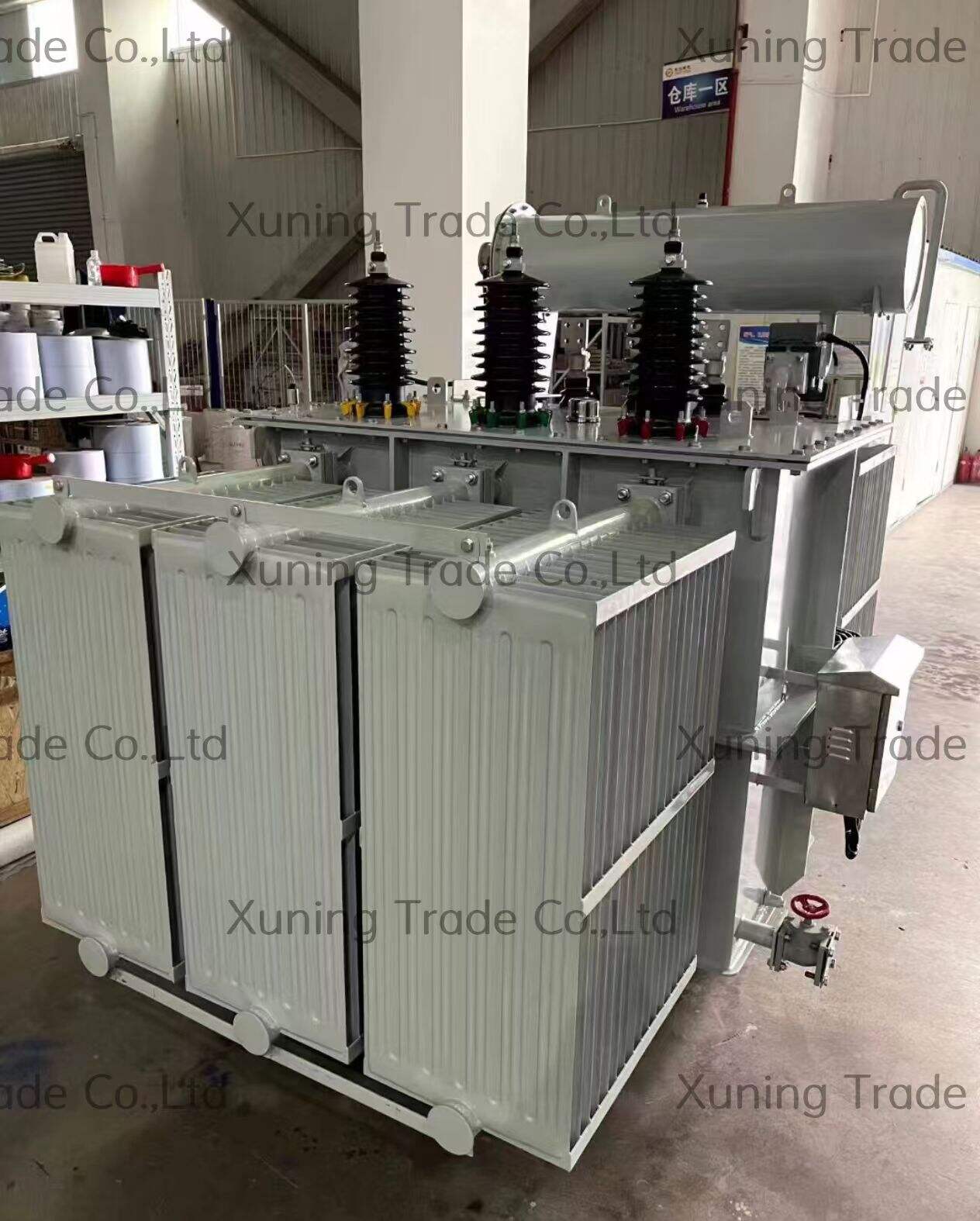
Transformator solaris fungitur ut pars electrica critica quae integrationem tutam et efficacem systematum photovoltaicorum solarium in infrastructuram rete electricum permittit. Hic transformator specialis conversionem operatur ex currente directa variabili, quae a tabellis solaribus proficiscitur, in currentem alternam ad idoneos gradus tensionis qui ad retia transmissionis et distributionis requiruntur. Intellectus peculiaris functionis et officii transformatorum solarium essentialis est ingeniariis, developeribus proiectorum, et magistris facultatum qui in installationibus energiae renovabilis versantur.
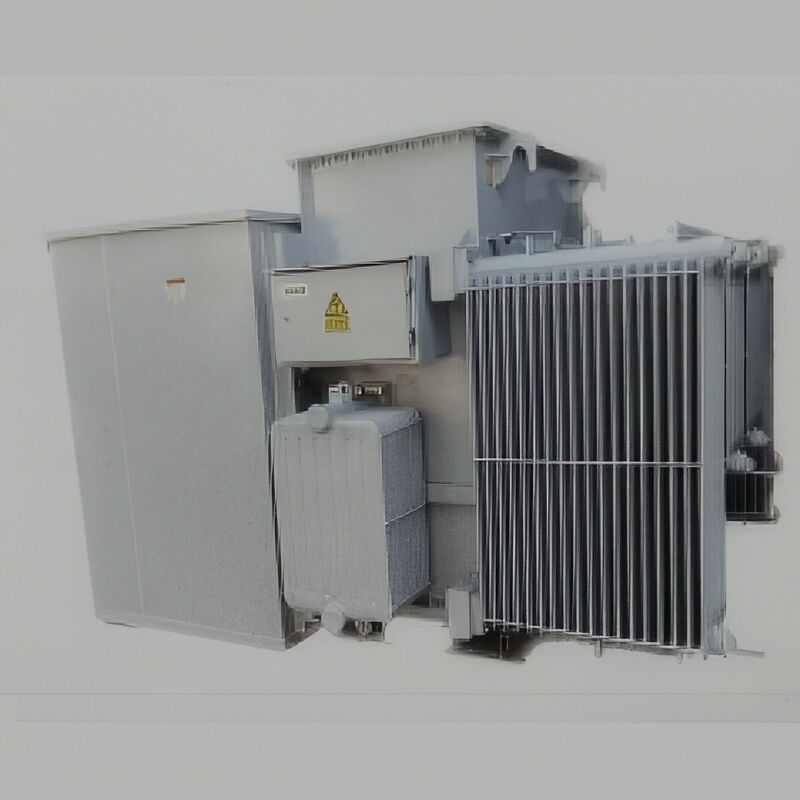
Transformator solaris pontem fundamentalem inter fontem generationis energiae renovabilis et praesentem infrastructuram electricam constituere videtur, quae domos, negotia, et fabricas industriales alit. Contra transformatores electricos vulgares, qui onera electrica statio-naria tractant, hae unitates speciales naturam dynamicam et intermittenter solarem productionem energiae accommodare debent, dum stabilitas retei et normae qualitatis potentiae servatur. Electio et recta applicatio transformatorum solarium directe influunt in totam efficaciam, fiduciam, et viabilitatem oeconomicam proiectorum energiae solaris in omnibus magnitudinibus.
Functiones Electricae Primariae Transformatorum Solarium
Conversio Voltagii ad Gradum Superiorem
Functionis electricae fundamentalis transformatoris solaris est ut voltages ex inverteribus solaribus, quae sunt relativae parvae, ad voltages transmissionis altiores, quae ad connexionem cum rete necessariae sunt, evehantur. Inverteres solares saepe producunt output AC in intervallo 480V ad 690V, dum puncta connexionis cum rete saepius postulant voltages 12,47 kV, 25 kV, aut superiores, secundum magnitudinem operis et exigentias utilitatis. Haec transformatio voltarum permittit efficientem transmissionem potestatis per longiores distantias cum diminutis amissis.
Designa transformatorum solarium includunt configurationes speciales convolutionum, quae accommodant proprietates unicas fontium energiae renovabilis. Transformator debet fluctuationes rapidas voltarum sustinere, quae causantur a variis conditionibus irradiationis solaris, nubibus, et condicionibus atmosphaericis. Materiae nuclei periti et technicae convolutionis adiuvant ad amissas minuendas et ad efficienciam totius systematis in his condicionibus dynamicis meliorandam.
Facultates solarium transformatorum ad tensionem regendam praesertim criticae fiunt per tempora variabilis solaris effluentiae. Haec instrumenta stabilem tensionem effluentem servare debent, etiam cum niveles potestatis intrantium per diem magnopere fluctuent. Haec stabilis tensio qualitatem constantem potestatis assidet et damnum potestiale ad apparatus electricos inferiores et ad structuram rei publicae electricae praecavet.
Gestio Qualitatis Electricitatis
Transformatores solares in retinendo acceptabilibus normis qualitatis potestatis pro systematibus energiae renovabilis coniunctis ad rete electricum partes maxime necessarias agunt. Haec instrumenta distorsiones harmonicas, quas inversores solares et alia componentia electronica potestatis in installatione solaris introducunt, filtrare debent. Designatio transformatoris proprietates impedantias specificas includit, quae harmonicas altas frequencias attemperant dum fundamentalem frequentionem potestatis servant.
Designatio magnetici accoplationis transformatorum solarium galvanicam isolationem praebet inter systema generationis solaris et rete electricum publicum. Haec isolatio impedit currentes circuitus terrae et minuit periculum ut defectus electrici inter fontem energiae renovabilis et latius opus electricum propagentur. Isolatio recte instituta etiam tutelam personarum auget dum operationes manutentionis et processus inquisitionis systematis fiunt.
Provecta transformator solaris designationes proprietates speciales protectionis includunt quae parametra qualitatis potentiae reali tempore inspiciunt. Haec systemata imparitates tensionis, deviationes frequentialis, et alias perturbationes rete detectare possunt quae disiunctionem immotam installationis solaris postulant ut tam apparatus energiae renovabilis quam infrastructura publica protegantur.
Integratio cum Componentibus Systematis Electricitatis Solaris
Compatibilitas et Coordinatio Inversoris
Transformator solaris accurate ad specificas proprietates invertorum solarium, qui in systemate generationis energiae utuntur, accommodandus est. Diversae technologiae invertorum diversas formas undarum, frequencias commutationis et contenta harmonicorum producunt, quae directe requisita ad designandum transformatorum influunt. Inverters catenarii, optimizatores potestatis et inverters centrales singuli signa electrica unica praebent, quae transformator efficaciter sustinere debet.
Modernae installationes solares saepe plures inverters in configurationibus parallelis operandos adhibent, ut fructus energiae et redundantia systematis maximizentur. Transformator solaris ita designandus est, ut cum coniuncto effectu ex his systematibus invertorum parallelis agere possit, dum tamen aequa distributio oneris et aequilibrii electrici serventur. Haec coordinatio currentes circulatorios prohibet et efficientiam optima transductionis energiae certificat.
Interficies communicationis inter transformatorēs solārēs et systemāta contrōlī invertōrum permittit responsiōnem coordinātam ad conditiōnēs rete et ad imperātās operātiōnāles. Technologiae transformātōrum prūdentium possunt accipere signa ex systemātis gestiōnis invertōrum ut regulent positionēs commutātorum, moderentur ēgressum voltāgiī, et coordinent actionēs praeservātōriās dum conditiōnēs operātiōnālēs anōmalae sunt.
Terrae alligatio et Systemata Tutela
Institūtiōnēs transformātōrum solārium requirunt cōnfigūrātiōnēs speciālēs terrae quae difficultātēs peculiārēs sēcuritātis quae cum systemātibus energiae renovābilis coniunguntur adgrediuntur. Systema terrae transformātōris efficiēns viās currentis defectūs praebēre dēbet simul atque isolātiōnem electricam necessāriam ad ūsum et cūram tūtām equipamentī solāris servet. Dīspositiō terrae idōnea impedīt aedificātiōnem perīculōsī voltāgiī et fidem operātiōnis dispositiōnum praeservātōriārum confirmat.
Ratio terrae neutri in transformatoribus solaribus multum differt ab applicationibus conventionalibus transformatorum electricitatis. Installationes solares saepe requirunt configurationes neutri solidius terrae connexae vel per impedantiam terrae connexae, quae faciunt detectionem celerem et eliminationem defectuum. Haec systemata terrae connexae operantur cum instrumentis detegendi defectus terrae ut defectus electricos identificent et isolent antequam damna instrumentis aut pericula salutis causare possint.
Integratio protectionis contra fulgura alterum est considerandum criticum de salute pro installationibus transformatorum solarium. Haec instrumenta extra posita magnam expositionem habent ad ictus fulminum et ad sursum impulsum inducendum, qui vinciola transformatorum et instrumenta adiuncta laedere possunt. Arrestores impulsum et systemata augendae connexionis ad terram protegunt transformatorum solarem dum operationem continuam sub condicionibus tempestatis gravis servant.
Coniunctio ad Reticulum et Functiones Interfaciei cum Utilitatibus
Adimpletio Codicum Reticuli et Normarum
Transformatorēs solārēs adstringentur ad severa codicem rete utilitātis et normās interconnectionis quae regunt quomodo systemata energiae renovābilis ad rete electricum connectuntur. Haec normae praescribunt postulāta regulātiōnis voltāgiī, facultātem manendi in condiciōnibus defectūs, et limitēs qualitātis potentiātis quae transformātor servāre debet sub omnibus condiciōnibus operativīs. Observātiō normārum IEEE, IEC, et normārum peculiārium utilitātis certificat integrātiōnem rete fīdam et praecipit effectūs adversōs in alios clientes utilitātis.
Proprietātēs responsiōnis ad frequēntiam transformātōrum solārium praesertim importantēs fiunt ad stabilitātem rete servandam dum penetrātiō energiae renovābilis augetur. Hae unitātēs aptē ad deviātiōnēs frequēntiae respondēre debent et in functionibus subsidīī rete participāre, ut regulātiō voltāgiī et compensātiō potentiātis reactivae. Designa transformātōrum praecēns tap-changers et facultātēs contrōlī potentiātis reactivae includunt quae ad stabilitātem rete servandam iuvant.
Protectio contra insulam faciens functionem criticam et necessariam est, quam transformatoribus solaribus per coordinationem cum systematibus relais protectoribus praestare oportet. Cum vis electrica publica desit, transformator solaris systema energiae renovabilis cito disiungere debet, ut periculosae conditiones insulae vitentur, quae operarios publicos in periculum adducere et instrumenta laedere possunt.
Capacitates observandi et regendi
Modernae installationes transformatorum solarium systemata observationis comprehensiva includunt, quae parametra electrica, condiciones thermicas et statum operationis in tempore reali observant. Haec observationis facultas programmandam praeventivam curam permittit et adiuvat quaerere causas potenciales antequam in defectus instrumentorum aut interruptiones longiores eventum ducant. Systemata observationis remotae data operationis ad centra regendi et ad personalem curandi praebent.
Integratio technologiarum retis prudentis permittit transformatoribus solaribus partem agere in systematibus periti administrandi distributionem et programmatibus responsionis ad postulationem. Haec systemata prudens automato regulare possunt parametra transformatorum secundum conditiones rete, praedictiones emissionis solaris, et necessitates operationales utilitatis. Facultates transformatorum prudentium augent flexibilitatem rete et sublevare altiores gradus integrationis energiae renovabilis.
Functiones registrandi data et analysandi historicas tendentias, quae in systematibus controlis transformatorum solarium incorporantur, praebent perspicacias valde utiles de praestantia systematis et de tendentiis longi temporis ad fidem. Haec informatio optimizat programmmata manutenctionis, identificat formas degenerationis praestantiae, et adiuvat in planificatione substitutionis vel emendationis instrumentorum dum installationes solares maturant.
Considerationes Environmentalis et Operationales
Resistentia ad tempestatem et durabilitas
Transformatorēs solārēs durāre dēbent asperās conditiōnēs externās, inter quās temperātūrae extremāe, radiātiō ultravīolācea, humīditās et exposițiō ad tempus per totam vītam operātionis. Dēsignum cāpsae transformātōris includit systēmata hermētica adversus tempus et materiales rēsistentēs corrosiōnī, quae integritātem elēctricam servānt, licet continuō ad externa conditiōnēs expositī sint. Optima gestiō calōris fidem facit operātiōnis fīdās per latōs ambitūs temperātūrae, quī sunt typicī locōrum ubi systemata solāria constituuntur.
Dēsignum systēmatis refrīgerātiōnis pro transformātōribus solāribus ad singulāria prōblēmata thermālia quae ad variābilēs conditiōnēs oneris et fluctuātiōnēs temperātūrae ambientis pertinent. Refrigerātiō aēre nātūrālī, refrigerātiō aēre compulsō, aut refrigerātiō oleō impleta debent accommodāre diurnās et sēnsōnāles variātiōnēs in ēmissiōne potentiālis solāris, dum temperātūrae idōneae ad componentēs transformātōris serventur.
Materialia resistenta ultravioletta et strata protectiva degenerationem componentium transformatorum, quae soli directo per longos periodos exponuntur, prohibent. Haec systemata protectionis integritatem mechanicam et proprietates insulationis electricae servant, quamvis altissimi gradus radiationis solaris in locis installationum photovoltaicarum adsint.
Maintenance et Management Vitae Cyclica
Requirimenta pro conservatione transformatorum solarium a requirimentis pro transformatoribus electricis conventionalibus differunt, propter locum eorum in agris solaribus et expositionem ad condiciones ambientales. Programma conservativa praeventiva necesse est ut superficies refrigerantes purgentur, signacula ambientalia inspiciantur, et conditio isolationis in ambientes exteriores observetur. Considerationes aditus et procedurae securitatis pro operibus conservationis in activis installationibus solaribus planificationem et coordinationem specialem postulant.
Vita expectata transformatorum solarium saepe congruit cum tempore operationis proiectorum energiae solaris, quae fidam operationem postulant per annos 20–25 aut longius. Considerationes de fide longa influunt electionem materiarum, margines in structura et proceduras controlis qualitatis dum transformatores fabricantur. Specificatio et emptio recta transformatorum solarium favet viabilitati oeconomicae investitionum in energiam renovabilem.
Considerationes de fine vitae transformatorum solarium includunt recyclabilitatem materiarum et proceduras abiciendi quae sunt respectuosae ambientis. Designa transformatorum iam saepius materias recyclabiles includunt et substantias periculosas eliminant ut usus sustinibilis per totam vitam instrumenti adiuvetur. Planificatio recta pro substitutione et abiciendo transformatorum favet custodiae ambientis diuturnae proiectorum energiae solaris.
FAQ
Quibus niveis tensionis transformatores solares saepe utuntur?
Transformatorēs solārēs plerumque augent voltāgina ab 480V ad 690V in parte prīmāria (ab inversōribus solāribus) ad voltāgina distribūtiōnis 12,47 kV, 25 kV, aut 34,5 kV in parte secundāria, prout exigit ūtilitās et magnitūdō prōiectī. In maioribus īnstitūtiōnibus ūtilitātis magnae fortasse necesse est transformātiō ad altiora etiam voltāgina trānsmissiōnis.
Quōmodo transformatorēs solārēs a transformātoribus potentiālis commūnibus differunt?
Transformatorēs solārēs speciātim sunt cōnfectī ut variābilem et intermitterentem potentiālem ēmissiōnem fontium energiae renovābilis sustinēant, capacitātem harmonīcōrum fīltrandōrum āctiōrem includant, et systemāta praeservātiōnis speciālia pro interconnexiōne cum rete habēant. Habent etiam vāsā exterīora robusta, quae ad collocātiōnem in agrīs solāribus apta sunt, et systemāta monitōris āctiōra ad operātiōnem remōtam.
Quid accidit transformātoribus solāribus tempore nūbulōsō vel nocte?
Inter tempora minuendae solaris emissionis, uti in aere nubilo, transformatorēs solārēs operantur ad minuendōs gradūs oneris, sed manent excitātī et parātī ad tractandum fluxum potentiātis cum generātiō solāris redit. Nocte, cum tabulae solārēs nullam potentiātem generent, transformatorēs typicē manent ad rēte coniunctī, sed onus minimum ferunt, praecipuē pro systemātibus monitoriī et contrōlī.
Num transformatorēs solārēs possunt operārī retrōgrādē ut potentiātem ad ipsam īnstitūtiōnem solārem reddant?
Transformatorēs solārēs possunt operārī in modō retrōgrādae fluxūs potentiātis ut potentiātem ex rēte ad auxiliāria systemāta īnstitūtiōnis solāris, ut frīgīficātiō inversōrum, instrumenta monitoriī, et lūmina ad cūrās, suppeditent. Tamen praecipuus eōrum designī focus manet in prōgrādī fluxū potentiātis ab īnstitūtiōne solārī ad rēte publicum, et facultās retrōgrādae fluxūs typicē ad auxiliāria onera solummodo limitantur, non ad systemāta repletiōnis batteriārum.
Table of Contents
- Functiones Electricae Primariae Transformatorum Solarium
- Integratio cum Componentibus Systematis Electricitatis Solaris
- Coniunctio ad Reticulum et Functiones Interfaciei cum Utilitatibus
- Considerationes Environmentalis et Operationales
-
FAQ
- Quibus niveis tensionis transformatores solares saepe utuntur?
- Quōmodo transformatorēs solārēs a transformātoribus potentiālis commūnibus differunt?
- Quid accidit transformātoribus solāribus tempore nūbulōsō vel nocte?
- Num transformatorēs solārēs possunt operārī retrōgrādē ut potentiātem ad ipsam īnstitūtiōnem solārem reddant?
