 EN
EN

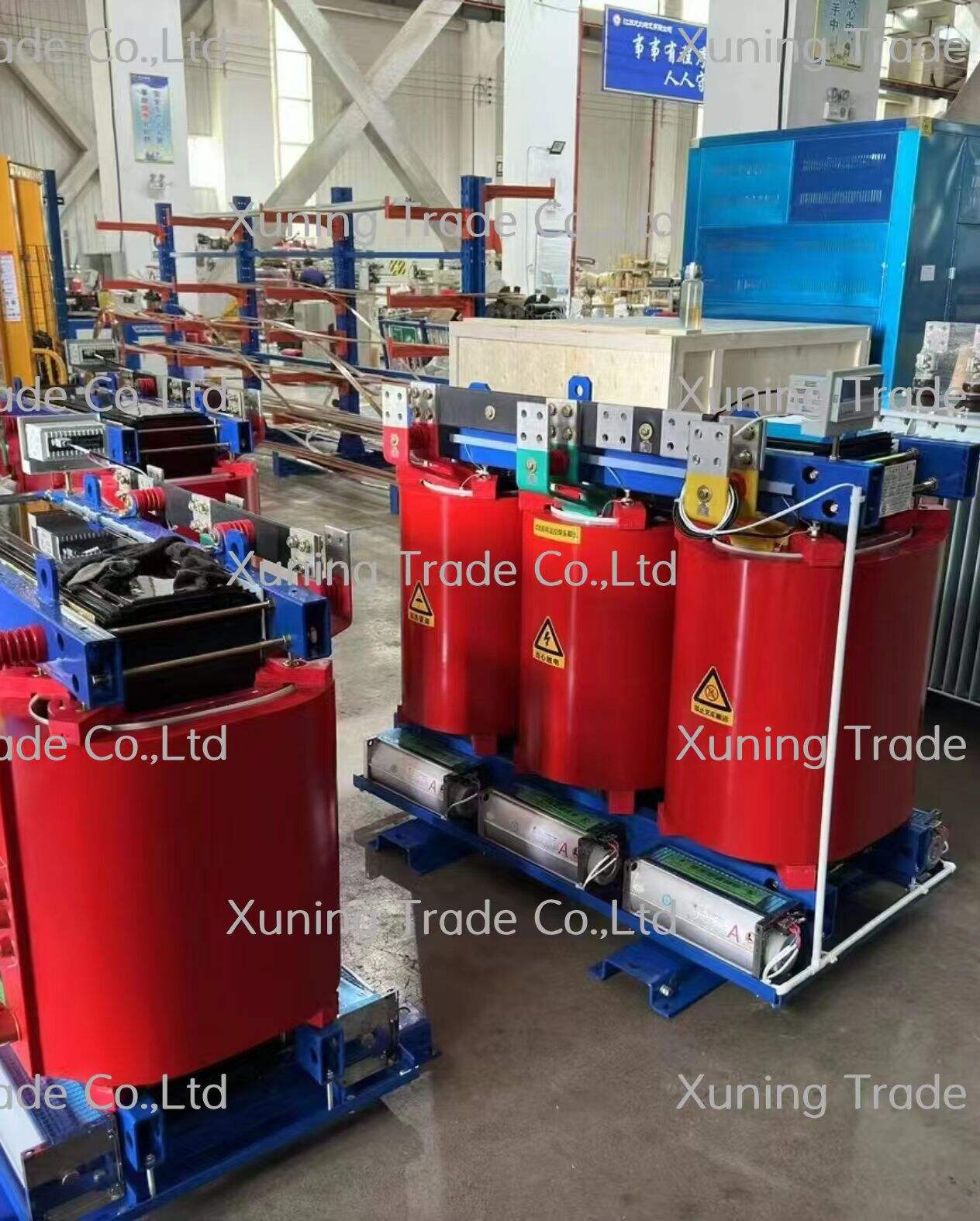
Transformatorēs solārēs praecipuum agunt rōlum in maximīs efficāciā systemātum energiae photovoltaicae, optima lēge nīvēs voltāgiī et minuēns pēnās potentiāles dum fit conversiō energiae. Haec speciālia instrumenta intermedium sunt inter tabulās solārēs et rete electricum, ut certum sit quod variābilis ex ārrays photovoltaicīs oriēns currēns directa effīcāciter convertatur et trādūcatur cum minimō iactū energiae. Ut intellegāmus quomodo transformātor solāris efficāciam conversiōnis energiae augēat, necesse est spectāre eius peculiāria dēsignī elementa, materiās prōgressās et cōntrōlīs intellēgentēs quae simul operantur ut praestent praestantissimam performatiōnem in applicātiōnibus energiae renovābilis.
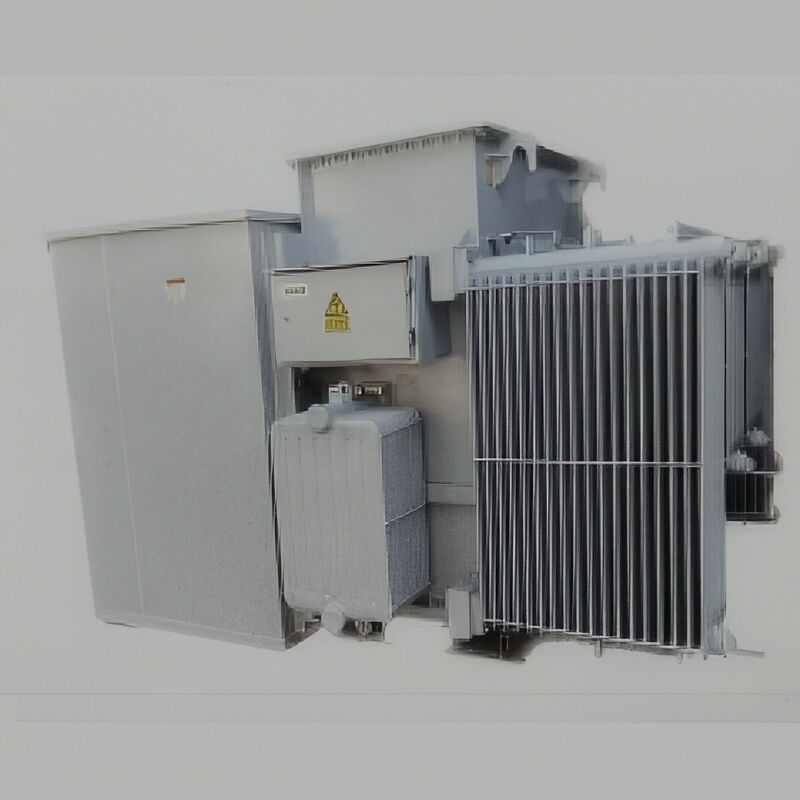
Principium fundamentale efficientiae transformatorum solarium in eius facultate consistit electromagneticas perditas minuendi, adaptationem impedantiae optime efficiendi, et regulandam praecise tensionem sub variis conditionibus irradiationis solaris. Technologia moderna transformatorum solarium materiales nucleos provectos, configurationes sophisticales convolutionum, et systemata monitoriae intelligentiae includit, quae continuo ad mutantes condiciones ambientales adaptantur. Haec approbatio comprehensiva conversionis energiae certificat ut installationes solares ad summos gradus efficacitatis perveniant, dum tamen diuturna fiducia et stabilis operatio in diversis condicionibus geographicis et climaticis serventur.
Materiales Nuclei Provecti et Design Electromagneticum
Nuclei Ex Acciaio Silicio Alto Permeabilitatis
Efficientia transformatoris solaris magnopere pendet ex materia nucleo magnetico et eius facultate hysteresim ac amissiones currentium vorticis in operatione minuendi. Transformatores solares praestantissimi utuntur nucleis ex ferro-silicio orientato grano, quae praestantissimam permeabilitatem magneticam habent, ita ut exigentia ad excitandum magnetismum minuantur et amissiones in statu sine onere diminuantur. Haec materiae nucleo provectae structuras granorum optime ordinatas habent, quae dominia magnetica efficacius alliniant, ita ut dissipatio energiae in mutationibus fluxus magneticis, quae cum variis gradibus generationis energiae solaris fiunt, minuatur.
Moderni nuclei transformatorum solarium technicas constructionis gradatim-lapsae incorporant quae interstitia aërea tollunt et distributionem uniformem fluxus magnetici per totam structuram nuclei confirmant. Haec ratio fabricandi exacta calefactionem localem et perditas magneticas notabiliter minuit, quae efficaciam totius systematis laedere possent. Designatio laminatae structurae nuclei ulterius formationem currentium vorticis minuit, creando isolationem electricam inter singulas lamellas ferri, quae currentes circumfluentes prohibent, qui alioquin calorem indesideratum generarent et efficaciam conversionis minuerent.
Stabilitas temperaturae alterum factorum criticorum in electione materiae nucleo pro applicationibus transformatorum solarium repraesentat. Alloea ferro-siliciae provecta proprietates magneticas constantes per latos ambitus temperaturarum conservant, quae stabilem operationem per tempora maximi generationis solaris confirmant, cum temperaturae ambientales condiciones normales operationis superare possint. Haec stabilis thermalis directe ad efficiendam constantiam et ad impediendam degradationem operationis, quae alioquin cum inferioribus materiis nuclei accidere posset, conducit.
Configuratio Optimata Vindicationum et Electio Conductorum
Designatio serpentina transformatoris solaris magnopere influat eius facultatem ad sustinendum peculiares proprietates generationis electricitatis photovoltaicae, inter quas variantes conditiones oneris et distorsio harmonica ex operationibus inversorum. Transformatores solares ad altam efficaciam utuntur conductoribus cupreis cum areis transversalibus optimatis, quae minimizant perditas resistivas dum idoneam capacitatem pro currente ferenda in temporibus maximae generationis praebent. Geometria conductorum et systemata insulationis speciatim sunt constructa ad sustinendum cyclum thermicum qui ex diurnis schematibus radiationis solaris oritur.
Ordines intercalati convolutionum minuunt inductantiam dispersionis et meliorant regulatonem tensionis sub variis conditionibus oneris, quae in applicationibus solaribus saepe occurrunt. Haec dispositio minimizat perdas copulationis magneticarum inter convolutiones primarias et secundarias, simul uniformem distributionem currentis per omnes segmenta conductorum servans. Reactantia dispersionis diminuta etiam meliorat facultatem transformatoris ad tenendum niveaus tensionis stabilia durante mutationibus rapidis irradiationis solaris, quod est necessarium pro systematibus photovoltaicis coniunctis rete.
Materiae isolantes provectae cum praestanti conductivitate thermica facilitant dissipationem caloris e convolutionibus, praevinientes formationem locorum calidorum quae ducere possent ad amissiones efficacitatis et aetatem praecocem. Designatio systematis isolantis includit canales refrigerantes et barrières thermicas quae temperaturas operationis optimas servant etiam durante periodis maximae generationis solaris, ut performance constans per totam vitam operationalem transformatoris certificetur.
Regulatio Tensio Intelligens et Administratio Onus
Mecanismi Mutandi Gradus Sub Onere
Efficientia transformatoris solaris notabiliter augetur per incorporationem mecanismorum mutandi gradus sub onere (OLTC), qui praebent regulatonem tensio in tempore reali sine interruptione fluxus electricitatis. Haec systemata controlis perita automato adaptant rationes transformatoris ut compensent variationes tensionis causatas a mutabilibus nivebus irradiationis solaris, certificantes optimam efficientiam transvectionis energiae per diversas conditiones operationis. Mecanismus OLTC respondet tam ad transitoria nubila celeria quam ad mutationes diurnas graduales in generatione solari, servans niveles tensionis intra limites optimos pro maxima efficientia conversionis energiae.
Systemata moderna OLTC incorporant controles electronicos cum mechanismis retroactionis praecisis, quae continuo observant tam niveles tensionis primarios quam secundarios. Haec observatio in tempore reali permittit transformator solaris ut cito adaptationes fiant quae niveles tensionis ad varias condiciones oneris optime constituunt, dum minima fit intermissio commutationis. Algorithmi electronici regendi tensionem mutationes anticipatione praecipere possunt, quae ex condicionibus caeli et ex datis historicis derivantur, ita ut regulatio tensionis proactiva efficiatur, quae summam efficientiam etiam in difficilibus condicionibus operativis servet.
Designatio mechanica systematum OLTC in transformatoribus solaribus materias speciales contactuum et technologias suppressionis arcus includit, quae operationes commutationis fideles per longos periodos usus confirmant. Haec componentia ita sunt constructa ut cycli commutationis frequentes, qui in applicationibus solaribus requiruntur, sustinere possint sine diminutione functionis aut efficientiae. Constructio robusta et materiae provectae certificant ut facultates regulationis tensionis per totam vitam operativam transformatoris constantes maneant.
Mitigatio Harmonicorum et Melioratio Qualitatis Electricitatis
Transformatorēs solārēs incorporant praecipuās dīsingēnī fōrmātiōnēs ad mitigandam distōrtiōnem harmōnicam, quae ā invertēribus photovoltaicīs generātur, quae, nisi rēctē administrētur, valdē afficere potest efficāciam cōnversiōnis energiae. Configūrātiōnēs speciālēs vīndingōrum et dīsingēnī circuitūs magnēticī minuunt pērda harmōnica dum fundamentālis frequēntia optime servātur. Haec elementa dīsingēnī simul operantur ut certificēnt ne currēs harmōnici excesīvum cālōrem gignant aut facultātem transformātōris ad efficiēns trādere potestātem ab ūnītātibus solāribus ad onera elēctrica minuant.
Facultates modernorum transformatorum solarium ad harmonicas minuendas includunt designata nuclei optimata, quae componentes fluxus harmonicorum minuunt, et dispositiones speciales convolutionum, quae circulationem currentium harmonicorum reducunt. Haec faciunt ut evitantur amissio harmonicae originis, quae alioquin efficaciam totius systematis minuerent et fortasse praematuram instrumentorum defectionem causarent. Designatio transformatoris etiam considerat interactionem inter frequencias harmonicorum et proprietates magnetizationis nuclei, ut operatio stabilis sub omnibus conditionibus oneris harmonicorum garantur.
Melioratio qualitatis potestatis ultra mitigationem harmonicorum extenditur, ut etiam gestionem potestatis reactivae et meliorationem stabilitatis tensionis complectatur. Transformatora solaris cum facultatibus compensationis potestatis reactivae integratis suas proprietates magneticas adiustare possunt, ut correctionem optimam factoris potestatis praebere possint, per quod amissio in transmissione minuitur et efficentia systematis totius augetur. Haec facultas praesertim pretiosa est in magnis installationibus solaribus, ubi optimatio factoris potestatis notabiles emendationes efficacitatis in toto infrastructura electrica efficit.
Gestio Thermalis et Optimizatio Systematis Refrigerandi
Technologiae Avant-garde Dissipationis Caloris
Efficiens administratio calorifica factor criticus est ad efficiendam efficaciam transformatorum solarium, praesertim ob altas temperaturas ambientales quae in locis installationum solarium saepe occurrunt. Systemata refrigerationis provecta plures mechanismos transfusionis caloris includunt, ut convectionem naturalem, circulationem aeris compulsam, et technologias refrigerationis liquidae, quae temperaturas operationis optimas sub omnibus conditionibus servant. Designatio systematis refrigerationis certificat ut temperaturae internae intra limites maneant qui proprietates magneticas conservant et perditas resistivas minuunt per totum ambitum operationis transformatoris.
Modernae systemata refrigerationis transformatorum solarium utuntur modellatione dynamicae fluidorum computatralis ad optimizandos vias transmittendi calorem et ad certificandam aequabilem distributionem temperaturae per totam structuram transformatoris. Haec ratio loca calida tollit quae efficaciam et fidibilitatem minuere possent, dum simul capacitas dissipandi calorem in superficiebus refrigerationis praesentibus ad maximum extenditur. Designatio thermalis etiam systemata monitoriae temperaturae includit quae informationem in tempore reale praebent ad regulandam refrigerationem activam et ad constituendos ordines pro maintenance preventiva.
Designationes innovantes dissipatorum caloris et materiae interfaciales thermicae transmittendum calorem ab internis componentibus ad externa systemata refrigerationis ad maximum extendunt, ut calor qui in conversione energiae generatur efficiens e structura transformatoris amovetur. Haec technologiae gestionis thermalis condiciones operationis stabiles servant quae proprietates magneticas et electricas conservant, quae ad operationem altius efficacem in variis conditionibus ambientalibus necessariae sunt.
Adaptatio Ambientalis et Resilientia Climatica
Transformatoribus solaribus opus est ut efficeantur per varia condicionum ambientalium genera, a locis desertis cum extremis variationibus temperaturarum ad loca litoralia cum alta umiditate et expositione salis. Systemata protectionis ambientalis provecta certificant ut gradus efficaciae manent constantes, quocumque sint conditiones externae quae alioquin functionem minuere possent. Haec systemata protectionis includunt incasus speciales, materiales resistentes corrosioni, et technologias sigillandi ambientalis quae condiciones internas optimas servant.
Adaptationes ad designum speciales pro climatibus optimizant operationem transformatorum solarium pro characteristicis regionalibus ambientalibus, dum tamen normae universalis efficacitatis serventur. Hae adaptationes includunt compensationem altitudinis pro installationibus in locis altis, systemata controllos humiditatis pro regionibus tropicalibus, et protectionem corrosionis augendam pro applicationibus maritimis. Adaptatio ambientalis certificat ut emendationes efficacitatis manent efficaces, quocumque in loco aut sub quibusvis conditionibus climaticis installentur.
Resilientia ambientalis longi temporis incorporat materiales et proprietates designi quae degradationi resistunt ex radiatione ultravioletta, cyclis thermalibus, et contaminatione atmosphaerica. Haec durabilitas certificat ut niveles efficacitatis stabiles manent per longos periodos usus, absque degeneratione notabili quae facultates conversionis energiae per tempus minuere possint.
Monitorium Digitale et Integratio Manutentionis Praedictivae
Analytica Performativa in Tempore Reali
Moderni transformatorēs solārēs includunt perīta systēmata monitoriās quae continuō efficiēntiae metrīca observant et dētaillātās analysēs ad optimizātiōnem praestātiōnis praebent. Haec systēmata digitālia multōs parametrōs observant, inter quōs currēs oneris, nivēs voltāgiī, distribūtiōnēs temperātūrae, et indicātōrēs qualitātis potentiātis quae directē in efficāciam conversionis energiae agunt. Capācitas monitoriās comprehēnsa operātōrēs permittit tendēntiās efficiēntiae identificāre et actiōnēs corrigentēs implēre antequam praestātiō deteriorēscat.
Platfomae analyticae provectae data monitoris tractant ut perspicacia ad exsequendum generentur de praestantia transformatorum et de occasionibus optimizandi efficaciam. Haec systemata possunt efficaciam mensurare cum condicionibus ambientalibus, schematibus oneris, et parametris operationis coniungere, ut strategiae optime operativae identificentur quae praestantiam conversionis energiae maximizent. Facultates analyticae ad modellationem praedictivam extenduntur, quae tendentias efficaciae praedicit et interventiones manutentionis suggerit ut praestantia summa servetur.
Integratio cum systematibus latioribus gestionis energiae permittit ut data monitoris transformatorum solarium ad strategias optimizationis systematis totius conferant, quae efficaciam in totis installationibus photovoltaicis augent. Haec accessus integrata certificat ut emendationes efficaciae transformatorum ad maximum reditum energiae ex activis generationis solaris conferant, dum stabilitas rete et exigentiae qualitatis potestatis servantur.
Optimizatio Manutentionis Ex Statu
Programmata praedictivae custodiae speciatim ad applicationes transformatorum solarium composita conditionis observationem dati utendos tempus custodiae optime constituat et efficacitatis gradus per totam vitae spatium instrumentorum servet. Haec programmata potentialia vitia ante quam in operationem influant detegunt, dum superuanae custodiae actiones, quae efficientem operationem turbare possent, vitantur. Ratio ex conditione pendens certificat ut interventus custodiarum in temporibus optimis fiant, quibus maxima instrumentorum disponibilitas et continua efficacitas consequuntur.
Algorithmi diagnosticī analysant indicātōrēs plūrimōs statūs, inter quōs qualitās ōlēī, rēsistēntia īnsulātiōnis, signa thermālia et paternae vībrātiōnis, ut statum valetūdinis et efficāciae transformātōris aestimērent. Hae cōnspicuae aestimātiōnēs permittunt ūnītātibus manūtenentiōnis causās specifīcās adgredī quae fortasse efficāciam minuere possent, dum activitātēs manūtenentiōnis latēs evitantur quae fortasse non sint necessariae. Hoc manūtenentiōnis ad obiectum directae genus optimās proprietātēs praestātiōnis servat, dum interrūptiōnēs operātiōnāles et impensae manūtenentiōnis minimizantur.
Algorithmi discendī machīnālis continenter augent praecīsionem diagnosticam per analysim datōrum historiōrum de praestātiōne et per identificātiōnem paternārum quae cum mutātiōnibus efficāciae aut cum defectibus potentiālibus correlantur. Haec facultās evolutiōnis sēcūritatem praebet ut programma manūtenentiōnis efficiēns fieret per tempus, dum meliōrātae efficāciae quās technologiae modernae transformātōrum solārium systemātibus energiae renovābilis praebent serventur.
FAQ
Quae emendationes efficacitatis speciales a transformatoribus solaribus praebentur comparatis ad transformatores ordinarium?
Transformator solaris saepe 1–3 % altiorem efficacitatem consequitur quam transformatores distributivi ordinarii, per materiales nucleares speciales, formas spira optimatas, et systemata refrigerationis provecta. Haec emendationes ex minoratione amissarum sine onere, ex valoribus impedimenti inferioribus, et ex meliori directione thermica proficiscuntur, quae speciatim ad applicationes photovoltaicas fabricantur. Emendationes efficacitatis in conservationem magnam energiae per totam vitam operativam transformatoris convertuntur, praesertim in installationibus solaribus magnae magnitudinis, ubi etiam parvae emendationes procentuales magnos fructus oeconomicos afferre possunt.
Quomodo variatio temperaturae efficitur in efficacitatem transformatoris solaris?
Efficientia transformatorum solarium manet relativus stabilis per normales temperaturas operationis propter praecellentem conceptionem thermicam et functiones compensationis temperaturae. Tamen temperaturae extremas efficientiam afficere possunt, quia proprietates magnetics nuclei et resistentia conductorum mutantur. Transformatores solares moderni systemata supervisionis thermicae et compensationis includunt, quae efficientiam optimam servant etiam in conditionibus temperaturarum maximalium, utpote efficientiam servantes intra 0,5% valorum nominatorum per intervalia temperaturarum operationis a −40°C usque ad +50°C in conditionibus ambientibus.
Num transformatores solares variabiles proprietates producti potestatis systematum photovoltaicorum efficaciter sustinere possunt?
Ita, transformatoribus solaribus speciatim comparatis est ut naturam variabilem et intermitterentem generationis electricae photovoltaicae tractent, dum altos gradus efficacitatis servent. Systemata regulandi voltages peritia, circuitus magnetici optime dispositi, et facultates prudentis administrationis onerum efficientiam operis in toto intervallo conditionum generationis solaris confirmant. Hi transformatores efficacitatem supra 98 % retinent etiam in condicionibus oneris partiales, quae saepe accidunt mane, vespere, aut in diebus nubilosus, cum productio solis minuitur.
Quae est pars distortionis harmonicorum in efficacitate transformatorum solarium?
Distorsio harmonica ex inversoribus photovoltaicis efficaciam transformatorum minuere potest, creando ulteriores amissas in nucleo magnetico et in spireis. Transformatores solares hanc difficultatem solvunt per configurationes speciales spirearum et constructiones nucleorum quae amissas harmonicas minuunt dum tamen praestantia ad frequentionem fundamentalem optima manet. Haec designi elementa typice reductionem efficaciae propter harmonicas ad minus quam 0,5 % limitant, ut efficacia systematis totius alta maneat etiam cum contentum harmonicum in effluvio electrico ex inversoribus solaribus magnus sit.
Table of Contents
- Materiales Nuclei Provecti et Design Electromagneticum
- Regulatio Tensio Intelligens et Administratio Onus
- Gestio Thermalis et Optimizatio Systematis Refrigerandi
- Monitorium Digitale et Integratio Manutentionis Praedictivae
-
FAQ
- Quae emendationes efficacitatis speciales a transformatoribus solaribus praebentur comparatis ad transformatores ordinarium?
- Quomodo variatio temperaturae efficitur in efficacitatem transformatoris solaris?
- Num transformatores solares variabiles proprietates producti potestatis systematum photovoltaicorum efficaciter sustinere possunt?
- Quae est pars distortionis harmonicorum in efficacitate transformatorum solarium?
