 EN
EN

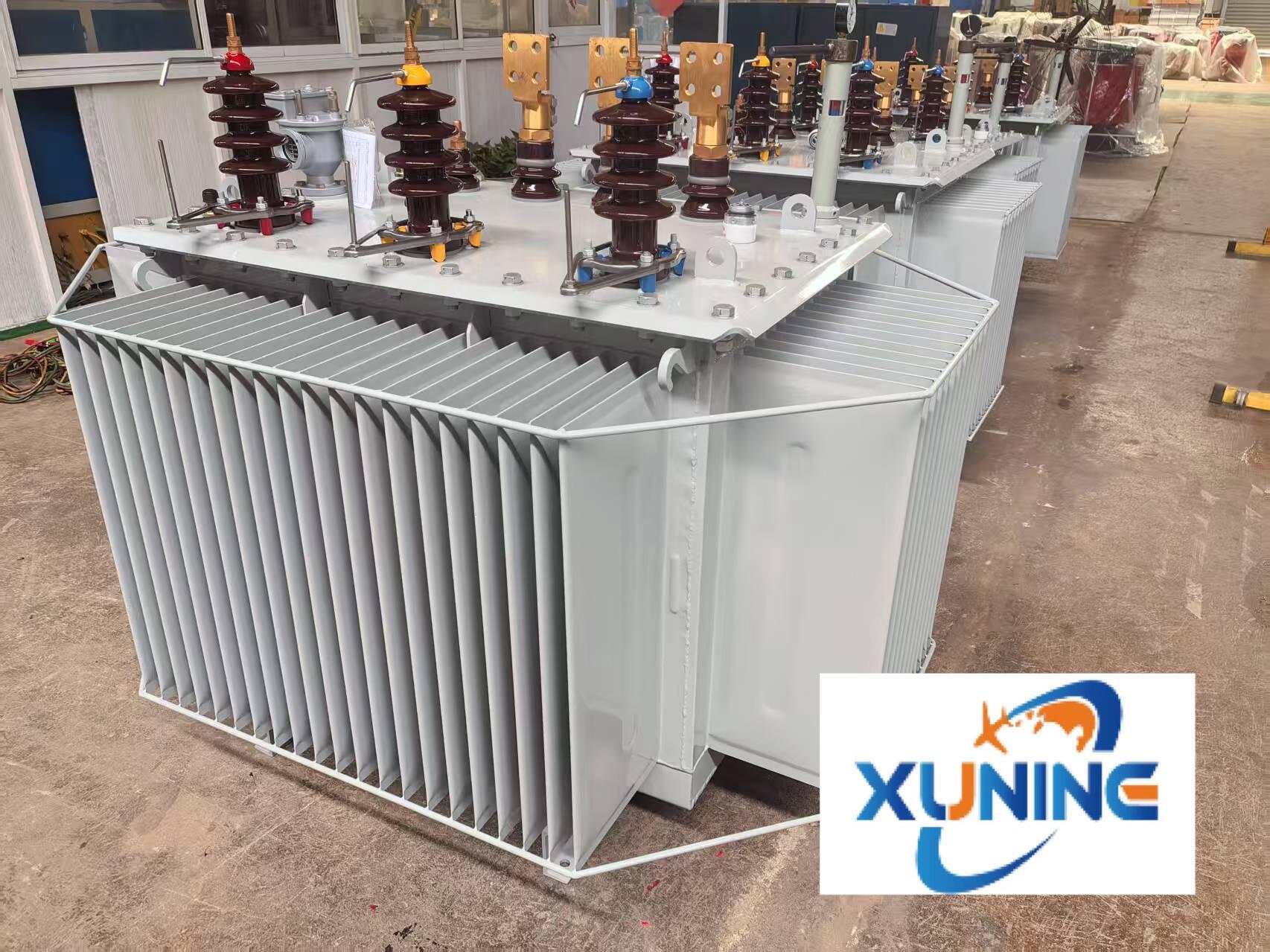
When engineers and procurement specialists begin planning a power distribution network, one of the earliest and most consequential decisions they face is selecting the right transformer types electrical configuration for the system. This choice is not merely a technical formality — it directly shapes how reliably, safely, and efficiently the entire electrical infrastructure will perform over its operational lifetime. A mismatch between transformer type and system requirements can lead to energy losses, voltage instability, equipment damage, and costly retrofits that could have been avoided at the design stage.
Understanding why transformer types electrical matter in system design requires looking beyond voltage ratios and power ratings. It means examining how different transformer configurations interact with load profiles, fault conditions, grounding schemes, and long-term operational demands. This article explores the core reasons why selecting the appropriate transformer types electrical is a foundational engineering decision, and what factors drive that selection in real-world industrial and commercial power systems.
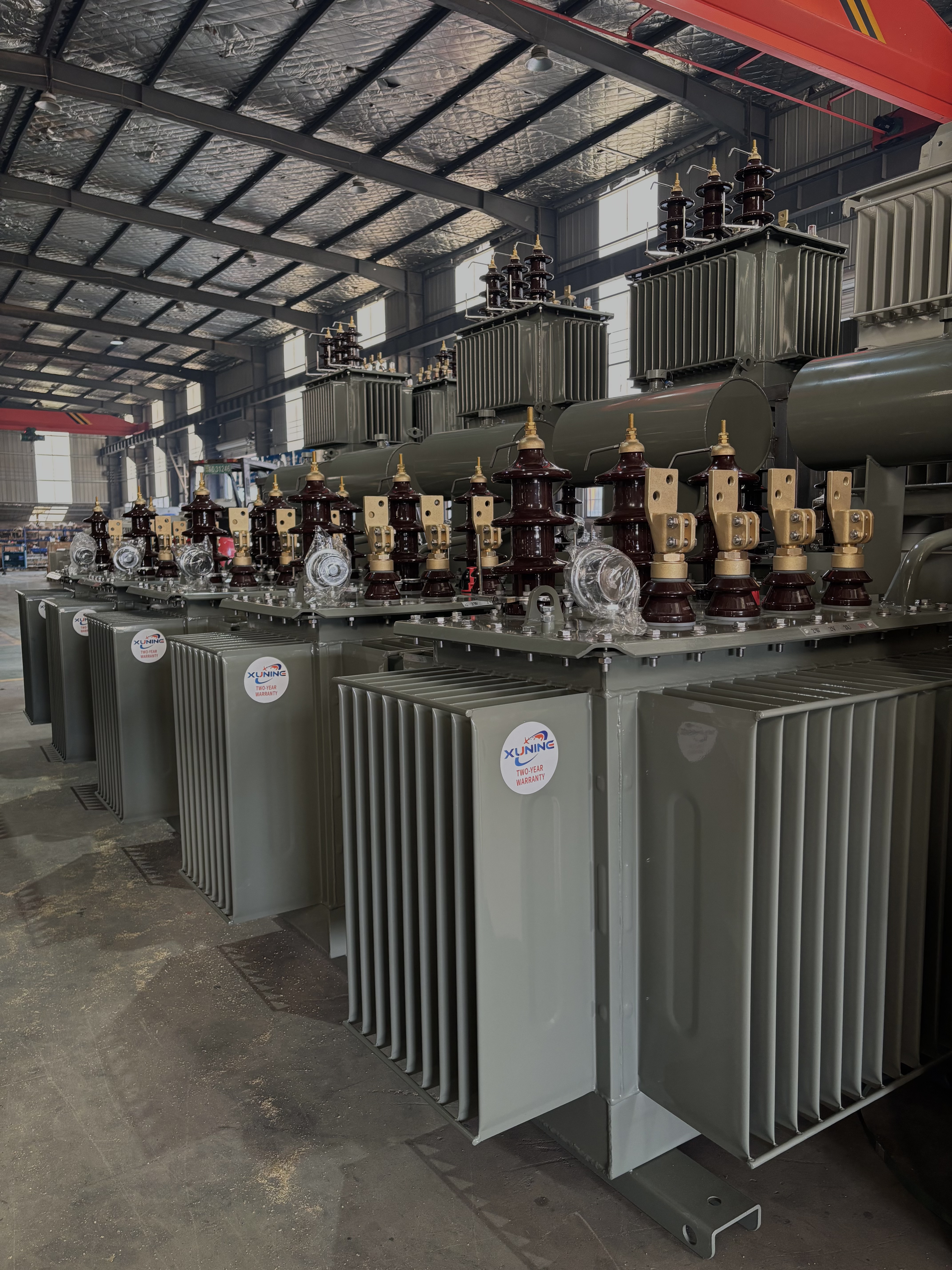
The Role of Transformer Types Electrical in Power System Architecture
Defining the Functional Position of Each Transformer Type
Every power system is structured in layers — generation, transmission, sub-transmission, and distribution — and each layer places distinct demands on the transformers operating within it. The transformer types electrical used at the transmission level must handle extremely high voltages with minimal losses over long distances, while those at the distribution level must step voltage down reliably to serve end-use loads. Choosing a type that is optimized for one layer but deployed in another introduces inefficiencies that compound over time.
Power transformers, distribution transformers, autotransformers, and instrument transformers each occupy a specific functional role. Power transformers are designed for continuous high-load operation at the top of the voltage hierarchy. Distribution transformers serve the final step-down function closest to the consumer. Autotransformers offer compact, cost-effective solutions where the voltage ratio is modest. Instrument transformers — current and voltage types — provide the measurement and protection signals that keep the system safe. Assigning the wrong transformer types electrical to any of these roles undermines the integrity of the entire architecture.
System designers must therefore map each transformer type to its intended position in the network before any procurement decision is made. This mapping exercise is not optional — it is the structural foundation upon which all subsequent design choices rest.
How Transformer Configuration Affects System Voltage Stability
Voltage stability is one of the most critical performance metrics in any electrical system, and the transformer types electrical selected have a direct bearing on how well that stability is maintained under varying load conditions. A transformer with an inappropriate impedance characteristic, for example, may cause excessive voltage drop during peak demand periods, leading to under-voltage conditions that degrade equipment performance and shorten service life.
Three-phase transformer configurations — delta-delta, star-star, delta-star, and star-delta — each produce different phase relationships and zero-sequence current behaviors. These differences are not academic; they determine how the system responds to unbalanced loads, single-phase faults, and harmonic distortion. A delta-star configuration, for instance, provides a neutral point on the secondary side that is essential for grounding in many distribution systems, while a delta-delta configuration offers better tolerance for unbalanced loads but lacks that neutral reference.
Selecting transformer types electrical without accounting for these configuration-level effects can create grounding problems, protection coordination failures, and harmonic amplification that are extremely difficult to resolve after installation. The configuration choice must be made in concert with the overall system protection and grounding philosophy.
Why Different Applications Demand Different Transformer Types Electrical
Industrial Load Characteristics and Transformer Selection
Industrial facilities present some of the most demanding environments for electrical equipment. Variable-speed drives, arc furnaces, large motors, and welding equipment all generate non-linear loads that introduce harmonic currents into the power system. These harmonics cause additional heating in transformer windings and cores, reducing efficiency and accelerating insulation degradation. The transformer types electrical chosen for industrial applications must therefore be rated and designed to tolerate elevated harmonic content without premature failure.
Dry-type transformers are frequently preferred in indoor industrial environments because they eliminate the fire risk associated with oil-filled units and require less maintenance. However, oil-immersed transformer types electrical offer superior thermal performance for very high power ratings and are often the only practical choice for large industrial substations where the load demand exceeds what dry-type units can economically serve. The decision between these two broad categories is driven by a combination of power rating, installation environment, maintenance capability, and regulatory requirements.
Beyond the dry versus oil distinction, industrial system designers must also consider whether a standard distribution transformer or a specialized unit — such as a K-rated transformer designed for harmonic-heavy loads — is more appropriate. Using a standard transformer types electrical unit in a high-harmonic environment without derating or special design provisions is a common source of premature transformer failure in industrial facilities.
Commercial and Utility Applications Require Tailored Approaches
Commercial buildings, data centers, hospitals, and utility substations each have unique power quality and reliability requirements that influence which transformer types electrical are most suitable. Data centers, for example, demand extremely tight voltage regulation and very high reliability, making them candidates for transformers with low impedance and robust thermal management. Hospitals require transformers that support isolated power systems in critical care areas, which calls for specialized isolation transformer designs.
Utility substations at the transmission-distribution interface typically use large power transformers with on-load tap changers that allow voltage adjustment under live conditions. This capability is essential for maintaining acceptable voltage levels across a distribution network as load patterns shift throughout the day. The transformer types electrical used in this context must be engineered for decades of continuous service with minimal maintenance intervention, which places stringent demands on insulation systems, cooling design, and monitoring capability.
Renewable energy integration has added another dimension to transformer selection in utility applications. Solar and wind generation facilities require transformers that can handle bidirectional power flow, variable loading profiles, and the harmonic signatures associated with power electronic inverters. Standard transformer types electrical designed for conventional unidirectional power flow may not perform optimally in these environments without design modifications.
Efficiency, Losses, and the Long-Term Cost Implications of Transformer Type Selection
No-Load and Load Losses Vary Significantly Across Transformer Types
One of the most financially significant reasons why transformer types electrical matter in system design is their impact on energy losses over the operational life of the system. Transformers are not perfectly efficient devices — they experience two primary categories of losses: no-load losses (also called core losses or iron losses) that occur continuously whenever the transformer is energized, and load losses (also called copper losses) that vary with the square of the load current.
Different transformer types electrical exhibit very different loss profiles. Amorphous core transformers, for example, achieve dramatically lower no-load losses compared to conventional silicon steel core designs, making them highly cost-effective in applications where the transformer operates at light load for extended periods. Conventional silicon steel core transformers may have lower initial cost but higher lifetime energy costs in the same application. The economic optimum depends on the specific load profile, energy cost, and expected service life.
Load losses are similarly design-dependent. Transformers with lower impedance tend to have lower load losses but higher fault current contribution, which affects protection system design. Higher impedance units limit fault currents but increase voltage drop under load. System designers must balance these competing factors when specifying transformer types electrical, and the right balance point differs from one application to the next.
Lifecycle Cost Analysis Justifies Premium Transformer Specifications
A common mistake in system design procurement is evaluating transformer types electrical purely on the basis of initial purchase price. This approach systematically undervalues the long-term cost of energy losses, which for a transformer operating continuously over a 25 to 40-year service life can far exceed the original capital cost. A transformer that costs 20% more upfront but delivers 30% lower no-load losses will typically produce a strongly positive return on investment when evaluated over its full service life.
Lifecycle cost analysis also captures the value of reliability. Transformer failures are extremely disruptive and expensive events, particularly in industrial and commercial settings where downtime has direct revenue impact. Selecting transformer types electrical that are appropriately rated for the application, with adequate thermal margins and robust insulation systems, reduces the probability of failure and extends the interval between major maintenance interventions. This reliability premium is a real economic value that belongs in the procurement decision framework.
Regulatory and sustainability pressures are also increasingly influencing transformer selection. Energy efficiency standards in many jurisdictions mandate minimum efficiency levels for distribution transformers, effectively ruling out older, less efficient designs. Specifying transformer types electrical that meet or exceed current efficiency standards is not only a compliance requirement but also a signal of responsible asset management to stakeholders and regulators.
Protection, Safety, and System Coordination Depend on Correct Transformer Type Selection
Fault Current Levels Are Shaped by Transformer Impedance and Type
The protection system of any electrical network is designed around expected fault current levels, and those levels are fundamentally determined by the transformer types electrical feeding each part of the system. A transformer with low impedance will deliver a high fault current during a short circuit, which enables fast and reliable operation of overcurrent protection devices but also subjects downstream equipment to high mechanical and thermal stress. A high-impedance transformer limits fault current but may cause protection devices to operate more slowly or less decisively.
This relationship between transformer impedance, fault current, and protection coordination must be explicitly analyzed during system design. If transformer types electrical are selected without reference to the protection coordination study, the result may be a system where protection devices are mismatched to actual fault levels — either failing to clear faults quickly enough or operating unnecessarily during normal transient conditions. Both outcomes compromise system safety and reliability.
The winding configuration of the transformer also affects how zero-sequence fault currents flow through the system, which is critical for ground fault protection. A transformer types electrical configuration that does not provide a zero-sequence current path on the appropriate side of the system can render ground fault relays ineffective, leaving the system vulnerable to sustained ground faults that cause equipment damage and fire risk.
Insulation Class and Environmental Ratings Determine Safe Operating Boundaries
Every transformer is designed to operate safely within defined thermal and environmental limits, and these limits vary significantly across transformer types electrical. Dry-type transformers are classified by insulation temperature class — Class F, Class H, and others — which determines the maximum allowable winding temperature and therefore the transformer's overload capability and expected insulation life. Oil-immersed transformers use the thermal properties of the insulating oil to manage heat, and their safe operating boundaries are defined by oil temperature limits and cooling system capacity.
Deploying transformer types electrical in environments that exceed their rated thermal or environmental limits accelerates insulation degradation through a well-understood electrochemical process. For every 10°C increase in operating temperature above the rated limit, the expected insulation life is approximately halved — a principle known as the Arrhenius rule of thumb in transformer engineering. This means that a transformer operating 20°C above its rated temperature will have roughly one-quarter of its expected service life, dramatically increasing the risk of premature failure.
Environmental factors beyond temperature also matter. Transformers installed in coastal or industrial environments with high humidity, salt air, or chemical contamination require enhanced insulation systems and protective coatings that are specific to certain transformer types electrical. Specifying a standard indoor transformer for an outdoor coastal installation, or a standard dry-type unit for a chemically aggressive environment, is a design error that will manifest as accelerated deterioration and shortened service life.
FAQ
What makes transformer types electrical selection so critical at the system design stage?
Transformer types electrical selection at the design stage determines the fault current levels, voltage stability, protection coordination, and energy efficiency of the entire system. Changing transformer types after installation is extremely costly and disruptive, so errors made during design have long-lasting consequences. Getting the selection right from the start ensures that all downstream equipment, protection devices, and operational procedures are properly aligned with actual system behavior.
How do transformer types electrical differ in terms of energy efficiency?
Different transformer types electrical have significantly different no-load and load loss characteristics depending on their core material, winding design, and cooling method. Amorphous core designs offer very low no-load losses, while conventional silicon steel cores are more economical upfront but less efficient over time. The most energy-efficient choice for a given application depends on the load profile, operating hours, and local energy costs, and should be evaluated through a full lifecycle cost analysis rather than initial price alone.
Can the wrong transformer types electrical cause protection system failures?
Yes. The impedance and winding configuration of transformer types electrical directly determine fault current magnitudes and zero-sequence current paths, both of which are fundamental inputs to protection system design. If the transformer type does not match the assumptions used in the protection coordination study, overcurrent and ground fault relays may be set incorrectly, leading to either failure to clear faults or nuisance tripping. This is why transformer selection and protection engineering must be conducted as integrated activities.
What factors should guide the choice between dry-type and oil-immersed transformer types electrical?
The choice between dry-type and oil-immersed transformer types electrical is driven by power rating, installation environment, fire safety requirements, maintenance capability, and regulatory constraints. Dry-type units are preferred for indoor installations where fire risk must be minimized and maintenance access is limited. Oil-immersed units are better suited for high-power applications where their superior thermal performance and lower cost per kVA are decisive advantages. Both types are available across a wide range of voltage and power ratings, so the selection should be based on a systematic evaluation of all relevant application factors.
Table of Contents
- The Role of Transformer Types Electrical in Power System Architecture
- Why Different Applications Demand Different Transformer Types Electrical
- Efficiency, Losses, and the Long-Term Cost Implications of Transformer Type Selection
- Protection, Safety, and System Coordination Depend on Correct Transformer Type Selection
-
FAQ
- What makes transformer types electrical selection so critical at the system design stage?
- How do transformer types electrical differ in terms of energy efficiency?
- Can the wrong transformer types electrical cause protection system failures?
- What factors should guide the choice between dry-type and oil-immersed transformer types electrical?
