 EN
EN

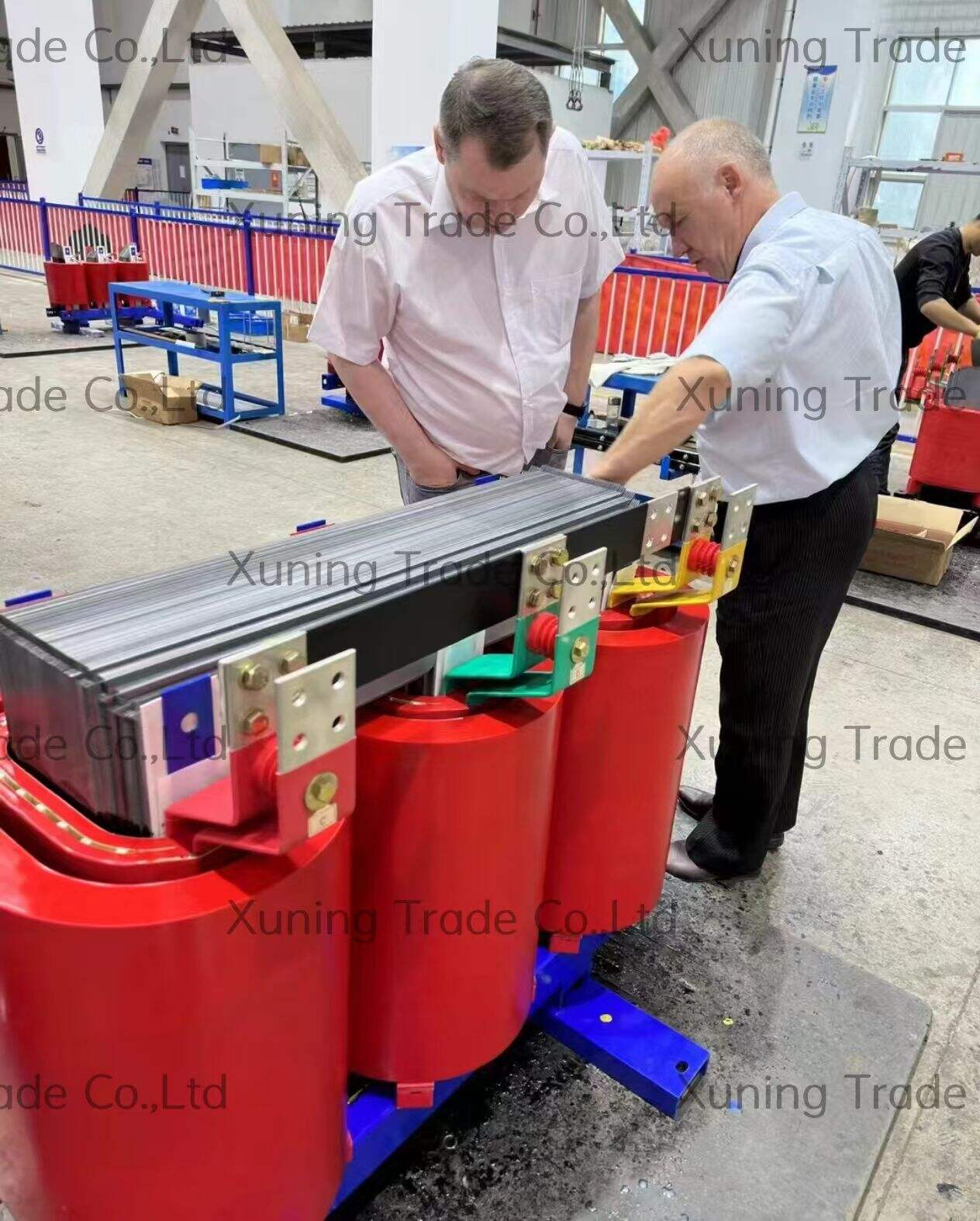
A pole distribution transformer serves as the critical link between high-voltage transmission lines and the low-voltage electrical systems that power rural communities. Understanding how these specialized transformers operate within rural power networks reveals the intricate engineering that enables reliable electricity delivery to remote areas where traditional underground infrastructure would be impractical or cost-prohibitive.
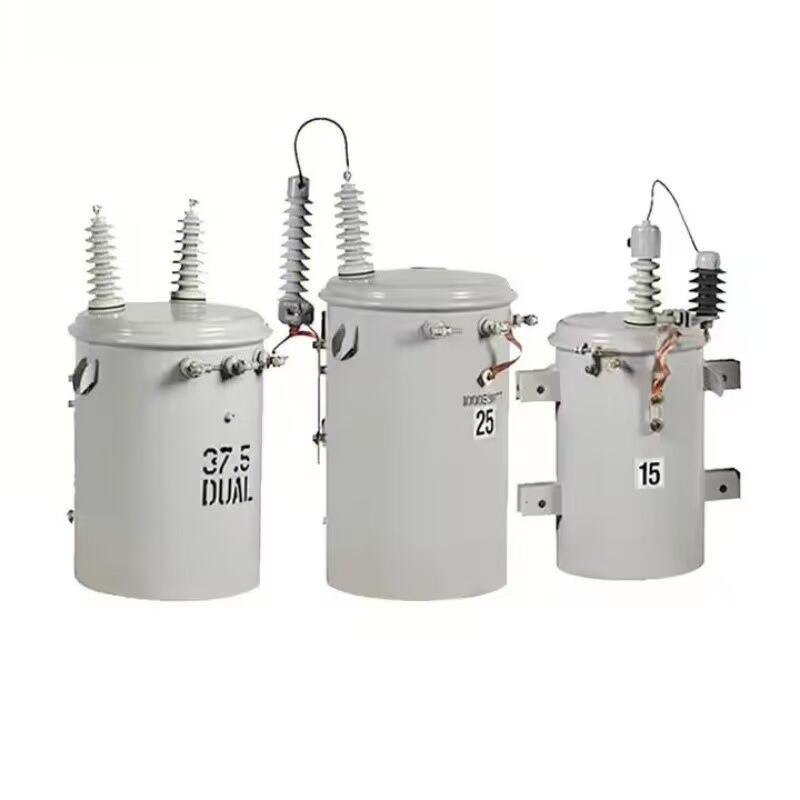
The operational mechanism of a pole distribution transformer in rural networks involves electromagnetic induction principles combined with specialized mounting configurations designed for overhead distribution systems. These transformers reduce medium voltage electricity typically ranging from 4kV to 35kV down to standard household voltages of 120V to 240V, while simultaneously providing the necessary electrical isolation and protection features essential for safe rural power distribution.
Electromagnetic Principles Behind Pole Distribution Transformer Operation
Primary and Secondary Winding Configuration
The fundamental operation of a pole distribution transformer relies on the electromagnetic induction relationship between its primary and secondary windings. When alternating current flows through the primary winding connected to the medium-voltage distribution line, it creates a changing magnetic field within the transformer's iron core. This magnetic flux linkage induces a proportional voltage in the secondary winding according to the turns ratio between the windings.
In rural power networks, the pole distribution transformer typically features a step-down configuration where the primary winding contains significantly more turns than the secondary winding. This turns ratio determines the voltage transformation ratio, allowing the transformer to convert the incoming medium voltage to the lower voltages required for residential and small commercial applications. The precise engineering of this winding configuration ensures optimal power transfer efficiency while maintaining voltage regulation under varying load conditions.
The core material, usually constructed from cold-rolled grain-oriented silicon steel, provides the magnetic path for flux linkage between windings. This specialized core design minimizes energy losses through hysteresis and eddy current effects, which is particularly important in rural installations where the pole distribution transformer may operate continuously under diverse environmental conditions.
Voltage Regulation and Load Response Mechanism
The pole distribution transformer maintains stable output voltage through inherent voltage regulation characteristics that respond automatically to load variations in the rural network. As electrical loads increase during peak demand periods, the transformer's internal impedance creates a natural voltage drop that helps stabilize the system. This self-regulating behavior ensures that voltage levels remain within acceptable limits for connected equipment and appliances.
Load response mechanisms in rural pole distribution transformers include thermal management systems that dissipate heat generated during power conversion. The transformer oil or alternative cooling medium circulates through internal channels, transferring heat to the external tank surface where it dissipates to the ambient environment. This thermal regulation prevents overheating damage and maintains optimal operating efficiency throughout the transformer's service life.
During fault conditions or overload scenarios, the pole distribution transformer incorporates protective features such as current limiting and thermal protection that automatically isolate the transformer from the network when operating parameters exceed safe thresholds. These protection mechanisms prevent equipment damage and maintain system reliability in rural areas where maintenance response times may be extended compared to urban networks.
Physical Installation and Mounting Mechanisms
Pole Mounting Systems and Structural Integration
The physical installation of a pole distribution transformer involves specialized mounting hardware designed to securely attach the transformer tank to utility poles while accommodating the mechanical stresses imposed by wind loading and thermal expansion. The mounting bracket system distributes the transformer's weight evenly across the pole structure, preventing structural failure while maintaining proper clearances from ground level and adjacent conductors.
Structural integration considerations include the selection of appropriate pole materials and dimensions capable of supporting the combined weight of the pole distribution transformer, mounting hardware, and associated electrical equipment. Wood, concrete, and steel poles each offer distinct advantages depending on local environmental conditions, with the mounting system designed to accommodate the specific characteristics of each pole type.
The elevation of pole distribution transformers serves multiple operational purposes beyond safety clearances. Higher mounting positions reduce the risk of unauthorized access while improving transformer cooling through enhanced air circulation. Additionally, elevated installation helps protect the transformer from ground-level hazards such as flooding, vegetation contact, and vehicular damage that could compromise rural power network reliability.
Electrical Connection and Grounding Architecture
Electrical connections to the pole distribution transformer involve high-voltage primary connections that link to the overhead distribution conductors through specialized insulators and protective equipment. These connections must withstand environmental stresses including temperature cycling, UV exposure, and contamination while maintaining reliable electrical contact throughout the transformer's operational life.
The grounding architecture for pole distribution transformers establishes multiple safety and operational functions within the rural power network. The transformer tank connects to a comprehensive grounding system that includes driven ground rods, grounding conductors, and equipotential bonding connections. This grounding network provides fault current return paths, lightning protection, and personnel safety during maintenance operations.
Secondary connections from the pole distribution transformer typically utilize weather-resistant terminals and conductor systems designed for overhead or underground distribution to end-use locations. These connections incorporate appropriate fusing and switching devices that enable sectionalizing and maintenance operations without affecting the broader rural power network. The connection design accounts for thermal expansion, mechanical movement, and environmental exposure factors specific to rural installations.
Power Flow Management in Rural Distribution Networks
Load Balancing and Phase Management
Power flow management through pole distribution transformers involves sophisticated load balancing techniques that optimize power delivery across rural distribution networks. Single-phase transformers serve individual customers or small groups of customers, while three-phase pole distribution transformers handle larger loads or areas with multiple customers requiring balanced power distribution. The selection between single-phase and three-phase configurations depends on load density, power requirements, and network topology.
Phase management strategies ensure that electrical loads are distributed evenly across available phases to minimize voltage unbalance and neutral current flow. In rural networks where customer loads may be widely dispersed, pole distribution transformers provide the flexibility to serve customers from different phases of the primary distribution system while maintaining proper voltage levels and power quality.
The coordination of multiple pole distribution transformers within a rural feeder system requires careful consideration of transformer sizing, placement, and protective coordination. Each transformer's contribution to the overall network load flow affects voltage regulation, fault current distribution, and system reliability. Advanced planning tools help utility engineers optimize transformer placement and sizing to achieve efficient power delivery while minimizing infrastructure costs.
Reactive Power Compensation and Power Quality
Reactive power compensation through pole distribution transformers helps maintain acceptable voltage levels throughout rural distribution networks where long conductor runs create significant reactive power demands. The transformer's inherent reactance contributes to overall system reactive power balance, while additional compensation equipment may be integrated with the transformer installation to address specific power quality requirements.
Power quality considerations for pole distribution transformers include harmonic distortion mitigation, voltage flicker reduction, and transient suppression. Rural networks often experience power quality challenges due to motor starting events, lightning activity, and switching operations. The pole distribution transformer's design characteristics help filter these disturbances while maintaining stable power delivery to connected customers.
Voltage regulation capabilities of pole distribution transformers extend beyond simple turns ratio effects to include tap changing mechanisms that allow fine-tuning of output voltage levels. These tap connections enable utility personnel to adjust transformer output voltage to compensate for voltage drop in long rural feeders or to accommodate seasonal load variations that affect system voltage profiles.
Environmental Adaptation and Protection Features
Weather Resistance and Thermal Management
Environmental adaptation features of pole distribution transformers address the challenging conditions encountered in rural installations where transformers must operate reliably through extreme temperature variations, moisture exposure, and contamination from agricultural or industrial activities. The transformer tank design incorporates weather sealing, corrosion-resistant materials, and thermal expansion accommodation to maintain integrity under diverse environmental conditions.
Thermal management systems in rural pole distribution transformers utilize natural convection cooling enhanced by external radiator surfaces or cooling tubes that increase heat dissipation capacity. The cooling design accounts for ambient temperature variations, solar loading, and reduced air circulation that may occur in heavily vegetated rural areas. Proper thermal management ensures that the transformer operates within rated temperature limits throughout its design life.
Moisture protection mechanisms include sealed tank construction, desiccant breathing systems, and specialized gasket materials that prevent water ingress while allowing for thermal expansion of internal components. These protection features are particularly critical in rural environments where transformers may be exposed to rain, snow, humidity, and temperature cycling that could compromise insulation systems without adequate protection.
Lightning and Surge Protection Integration
Lightning protection for pole distribution transformers involves coordinated surge protection devices that protect both the transformer and connected customer equipment from overvoltage conditions common in rural areas. Surge arresters installed on both primary and secondary sides of the transformer provide multiple levels of protection against lightning-induced surges and switching transients.
The integration of surge protection with the pole distribution transformer installation requires careful coordination of protective device ratings, grounding connections, and lead length minimization to ensure effective protection. Rural installations often face higher lightning exposure due to their elevation and isolation from other structures, making comprehensive surge protection essential for reliable operation.
Grounding enhancement techniques for lightning protection may include chemically enhanced ground rods, expanded grounding electrode systems, and counterpoise grounding conductors that improve the effectiveness of lightning current dissipation. These grounding improvements work in conjunction with the pole distribution transformer's protection systems to minimize the risk of lightning-related failures in rural power networks.
FAQ
What voltage levels do pole distribution transformers typically handle in rural networks?
Pole distribution transformers in rural networks typically step down medium voltage levels ranging from 4kV to 35kV on the primary side to standard utilization voltages of 120V to 240V for single-phase units or 208V to 480V for three-phase units on the secondary side. The specific voltage levels depend on the utility's distribution system design and local electrical codes.
How does the mounting height of a pole distribution transformer affect its operation?
Mounting height affects pole distribution transformer operation through improved cooling from enhanced air circulation, reduced risk of physical damage from ground-level hazards, and compliance with electrical safety clearance requirements. Higher mounting positions also improve transformer accessibility for maintenance while maintaining safe distances from public areas and vegetation.
What happens to power flow when a pole distribution transformer fails in a rural network?
When a pole distribution transformer fails, the customers served by that transformer lose power until the unit is repaired or replaced. Rural networks may have limited redundancy compared to urban systems, so utilities often maintain spare transformers and mobile units to restore service quickly. Protective devices isolate failed transformers to prevent damage to the broader distribution network.
How do pole distribution transformers handle varying loads throughout the day in rural areas?
Pole distribution transformers automatically adjust to varying loads through their inherent voltage regulation characteristics and thermal response. As loads increase, the transformer draws more current from the primary system while maintaining voltage within acceptable limits. The transformer's thermal mass and cooling system accommodate normal load variations without requiring external control systems.
Table of Contents
- Electromagnetic Principles Behind Pole Distribution Transformer Operation
- Physical Installation and Mounting Mechanisms
- Power Flow Management in Rural Distribution Networks
- Environmental Adaptation and Protection Features
-
FAQ
- What voltage levels do pole distribution transformers typically handle in rural networks?
- How does the mounting height of a pole distribution transformer affect its operation?
- What happens to power flow when a pole distribution transformer fails in a rural network?
- How do pole distribution transformers handle varying loads throughout the day in rural areas?
