 EN
EN

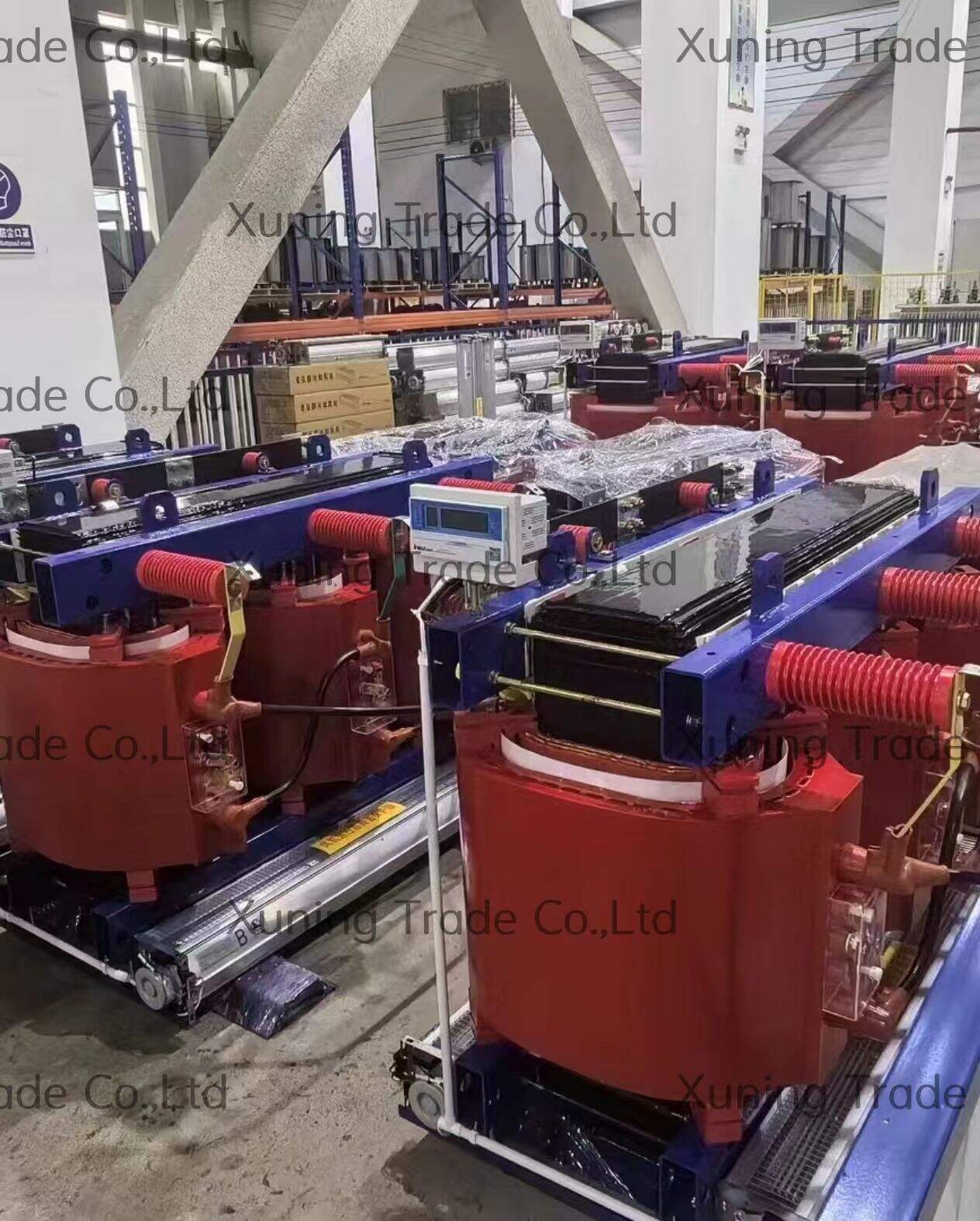
Grid reliability represents a fundamental challenge for modern electrical distribution networks, where even brief interruptions can cascade into significant economic losses and operational disruptions. The strategic deployment of pole distribution transformers has emerged as a critical solution for enhancing grid stability and reducing the vulnerability of distribution systems to various failure modes. These specialized transformers serve as essential components in creating more resilient electrical infrastructure that can adapt to changing load demands and environmental stresses.
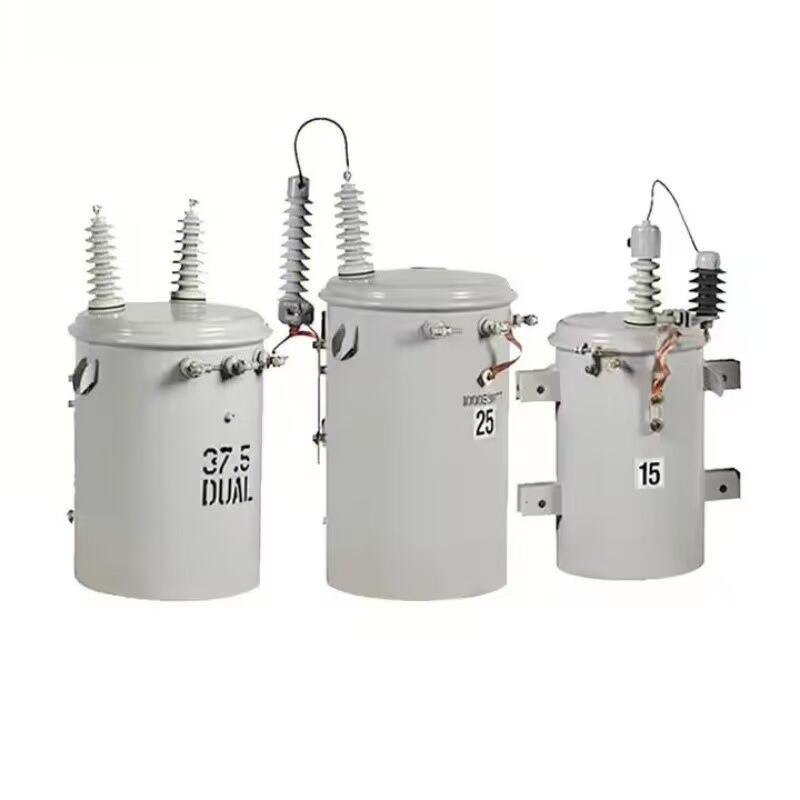
The integration of pole distribution transformers into electrical grids creates multiple layers of protection and operational flexibility that directly address common reliability concerns. By providing localized voltage regulation, fault isolation capabilities, and distributed load management, these transformers enable utilities to maintain consistent power delivery even when portions of the grid experience stress or failure. Understanding the specific mechanisms through which pole distribution transformers enhance grid reliability requires examining their design characteristics, operational benefits, and strategic placement within distribution networks.
Fundamental Design Features That Enhance Reliability
Advanced Insulation and Protection Systems
The reliability improvements offered by pole distribution transformers begin with their robust insulation systems designed to withstand environmental stresses and electrical faults. Modern pole distribution transformer designs incorporate advanced dielectric materials that provide superior resistance to moisture, temperature fluctuations, and contamination. These insulation systems create multiple barriers against electrical breakdown, ensuring continued operation even under adverse conditions that might compromise less robust equipment.
The protective features integrated into pole distribution transformers include surge arresters, protective relays, and fault detection systems that automatically respond to abnormal operating conditions. These protection mechanisms work together to isolate faults quickly, preventing damage propagation to other grid components. The rapid fault detection and isolation capabilities of modern pole distribution transformers significantly reduce the duration and scope of power outages, maintaining service to unaffected portions of the distribution network.
Thermal management systems within pole distribution transformers contribute to reliability by maintaining optimal operating temperatures under varying load conditions. Advanced cooling designs and temperature monitoring systems ensure that transformers operate within safe thermal limits, preventing overheating that could lead to premature failure or reduced operational lifespan. This thermal stability directly translates to more consistent performance and reduced risk of unexpected outages.
Load Management and Voltage Regulation
The voltage regulation capabilities of pole distribution transformers play a crucial role in maintaining grid stability by compensating for voltage variations caused by changing load conditions and transmission line losses. These transformers can automatically adjust their tap positions to maintain optimal voltage levels, ensuring that end users receive consistent power quality regardless of system loading or external disturbances. This automated voltage regulation reduces stress on electrical equipment throughout the distribution network.
Load balancing features inherent in pole distribution transformer designs help distribute electrical demand more evenly across distribution circuits. By providing multiple connection points and flexible configuration options, these transformers enable utilities to redirect power flows around congested or failed network segments. This load redistribution capability prevents overloading of individual circuits while maintaining service to critical loads during emergency conditions.
The ability of pole distribution transformers to handle load variations without compromising voltage stability contributes significantly to overall grid reliability. Their robust magnetic cores and winding designs accommodate fluctuating demands while maintaining efficient power transfer, reducing the likelihood of voltage sags or surges that could affect sensitive equipment connected to the distribution system.
Strategic Placement and Network Integration Benefits
Distributed Architecture Advantages
The strategic placement of pole distribution transformers throughout electrical networks creates a distributed architecture that inherently improves reliability through redundancy and localized control. Rather than relying on centralized transformation points that represent single points of failure, distributed pole distribution transformer installations provide multiple pathways for power delivery. This redundancy ensures that the failure of any single transformer does not compromise large portions of the distribution network.
The distributed nature of pole distribution transformer networks enables more granular control over power flows and system operations. Utilities can isolate smaller network segments for maintenance or fault clearing without affecting broader service areas. This sectionalizing capability reduces the customer impact of planned and unplanned outages while improving overall system availability metrics.
Network integration flexibility provided by pole distribution transformers allows utilities to adapt their systems to changing load patterns and growth requirements. New pole distribution transformer installations can be added to accommodate load growth or improve service reliability without requiring extensive modifications to existing infrastructure. This scalability supports long-term grid reliability by ensuring that distribution systems can evolve to meet changing demands.
Fault Isolation and Recovery Mechanisms
The fault isolation capabilities of modern pole distribution transformers significantly improve grid reliability by limiting the propagation of electrical faults throughout the distribution network. Advanced protection schemes integrated into these transformers can detect and isolate faults within milliseconds, preventing damage to other system components and reducing outage duration. This rapid fault clearing capability is essential for maintaining stable operation during severe weather events or equipment failures.
Automatic restoration features built into pole distribution transformer control systems enable rapid service recovery following fault clearance. These systems can automatically reconfigure network connections to restore power to affected areas once faults have been isolated and cleared. The speed of this restoration process directly impacts customer satisfaction and reduces the economic impact of power outages on commercial and industrial operations.
The communication capabilities integrated into modern pole distribution transformers support coordinated fault response across multiple network locations. These transformers can share operational data and status information with central control systems, enabling utilities to implement sophisticated fault management strategies that optimize recovery times and minimize customer impact during emergency conditions.
Operational Flexibility and Maintenance Benefits
Remote Monitoring and Diagnostics
Advanced pole distribution transformers incorporate sophisticated monitoring systems that continuously assess operational parameters and detect potential problems before they result in failures. These monitoring capabilities include real-time measurement of temperature, loading, voltage levels, and insulation condition. The continuous assessment of these parameters enables predictive maintenance strategies that address potential issues before they compromise grid reliability.
Remote diagnostic capabilities built into modern pole distribution transformers allow utility operators to assess equipment condition and performance from centralized control centers. This remote monitoring reduces the need for physical inspections while providing more comprehensive data about transformer operation than traditional maintenance approaches. The ability to monitor multiple transformers simultaneously improves overall fleet management and reliability planning.
The data collected from pole distribution transformer monitoring systems supports advanced analytics that can identify patterns and trends related to equipment performance and grid reliability. This information enables utilities to optimize maintenance schedules, predict equipment lifecycle requirements, and make informed decisions about system upgrades and replacements.
Maintenance Scheduling and Asset Management
The condition monitoring capabilities of pole distribution transformers enable condition-based maintenance strategies that optimize equipment reliability while minimizing operational costs. Rather than following fixed maintenance schedules regardless of equipment condition, utilities can schedule maintenance activities based on actual equipment needs and performance indicators. This approach improves reliability by addressing problems when they develop rather than waiting for scheduled maintenance intervals.
Asset management benefits derived from pole distribution transformer monitoring data include improved lifecycle planning and replacement scheduling. The detailed operational history and condition data available from modern transformers enable more accurate predictions of remaining useful life and optimal replacement timing. This information supports strategic planning for grid reliability improvements and infrastructure investments.
The standardization possible with pole distribution transformer installations simplifies maintenance operations and spare parts management. Utilities can develop specialized expertise and procedures for specific transformer types while maintaining standardized inventory levels for common replacement components. This standardization improves maintenance efficiency and reduces downtime during repair operations.
Environmental Resilience and Adaptation
Weather Resistance and Climate Adaptation
The environmental resilience built into pole distribution transformers directly contributes to grid reliability by ensuring continued operation under severe weather conditions. These transformers feature weatherproof enclosures, corrosion-resistant materials, and sealing systems designed to protect critical components from moisture, temperature extremes, and atmospheric contaminants. This environmental protection reduces the likelihood of weather-related failures that could compromise grid stability.
Climate adaptation features incorporated into modern pole distribution transformers include enhanced cooling systems and materials selected for extended temperature ranges. As climate change increases the frequency and severity of extreme weather events, these adaptation measures become increasingly important for maintaining reliable electrical service. The ability to operate effectively under extreme conditions directly impacts grid resilience during critical periods.
The compact design and secure mounting systems used for pole distribution transformers reduce their vulnerability to wind damage and other weather-related impacts. These design features minimize the risk of physical damage during storms while maintaining electrical integrity under mechanical stress. The reduced vulnerability to weather damage translates to improved service continuity during severe weather events.
Emergency Response and Disaster Recovery
The modular nature of pole distribution transformer installations supports rapid emergency response and disaster recovery operations. Individual transformers can be quickly replaced or bypassed if damaged, allowing utilities to restore service to unaffected areas while repairs are completed. This modularity is particularly valuable during large-scale outage events where rapid service restoration is critical for public safety and economic recovery.
Emergency switching capabilities built into pole distribution transformer installations enable utilities to reconfigure their networks quickly during emergency conditions. These switching options provide alternative power supply paths that can maintain service to critical facilities even when primary supply routes are compromised. The availability of multiple supply options directly improves grid reliability during emergency situations.
The standardized interfaces and connection methods used for pole distribution transformers facilitate rapid deployment of temporary equipment during emergency restoration efforts. Portable transformers can be quickly connected to existing infrastructure to restore service while permanent repairs are completed. This flexibility significantly reduces outage duration and improves overall grid resilience during disaster recovery operations.
FAQ
What specific reliability metrics are improved by pole distribution transformers?
Pole distribution transformers improve several key reliability metrics including System Average Interruption Duration Index (SAIDI), System Average Interruption Frequency Index (SAIFI), and Customer Average Interruption Duration Index (CAIDI). These transformers reduce outage frequency through better fault isolation, decrease outage duration through automated switching and restoration, and improve voltage regulation which reduces equipment stress throughout the distribution network. The distributed architecture created by pole distribution transformers also improves overall system availability by eliminating single points of failure.
How do pole distribution transformers handle overload conditions to maintain grid stability?
Pole distribution transformers manage overload conditions through several mechanisms including thermal monitoring systems that track operating temperatures, load tap changers that adjust voltage ratios to optimize power flow, and protection systems that coordinate with other network equipment to redistribute loads. When overload conditions are detected, these transformers can automatically shed non-critical loads or transfer loads to alternate supply paths, preventing cascading failures while maintaining service to priority customers.
What role do pole distribution transformers play in preventing cascading grid failures?
Pole distribution transformers prevent cascading failures by providing electrical isolation between network segments, enabling rapid fault detection and clearance, and supporting automatic load transfer to alternate supply sources. Their distributed placement creates natural breakpoints in the distribution network that limit fault propagation, while their protection systems coordinate with other equipment to maintain system stability during disturbances. The ability to quickly isolate faulted sections while maintaining service to unaffected areas is crucial for preventing small disturbances from escalating into widespread outages.
How do modern communication features in pole distribution transformers enhance grid reliability?
Modern communication features enable pole distribution transformers to participate in smart grid operations through real-time data sharing, coordinated protection schemes, and remote control capabilities. These transformers can communicate their operational status, load conditions, and fault information to central control systems, enabling optimized grid operations and faster emergency response. The communication capabilities also support demand response programs, voltage optimization initiatives, and predictive maintenance strategies that collectively improve overall grid reliability and efficiency.
Table of Contents
- Fundamental Design Features That Enhance Reliability
- Strategic Placement and Network Integration Benefits
- Operational Flexibility and Maintenance Benefits
- Environmental Resilience and Adaptation
-
FAQ
- What specific reliability metrics are improved by pole distribution transformers?
- How do pole distribution transformers handle overload conditions to maintain grid stability?
- What role do pole distribution transformers play in preventing cascading grid failures?
- How do modern communication features in pole distribution transformers enhance grid reliability?
