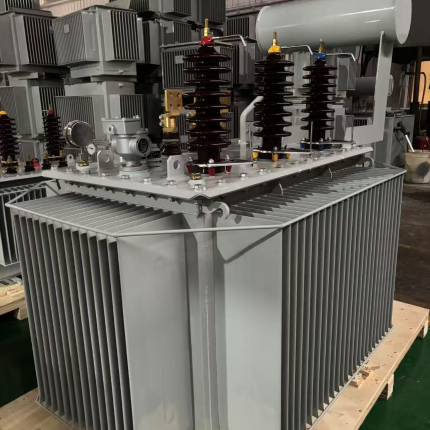
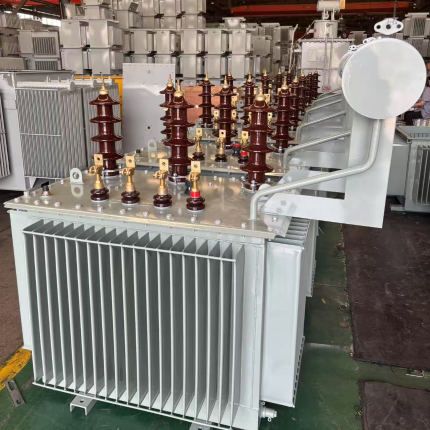
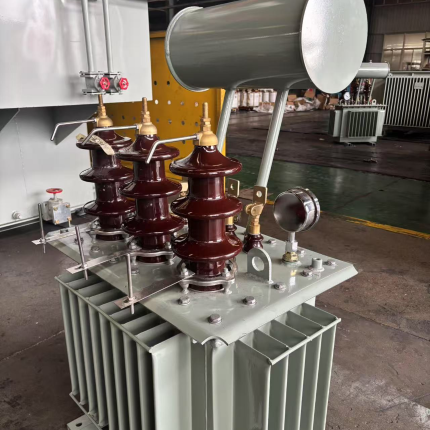
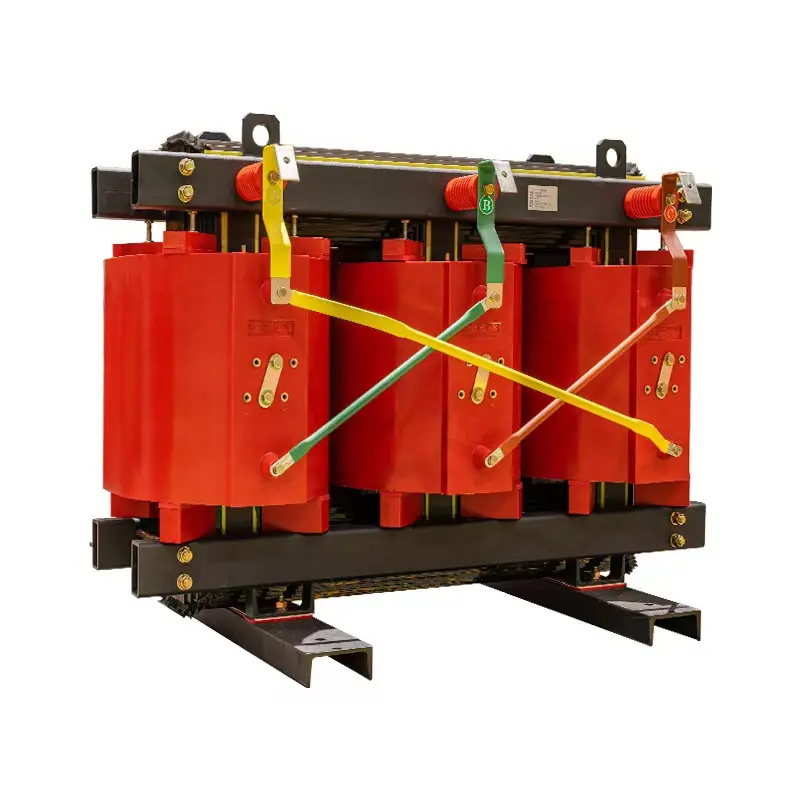
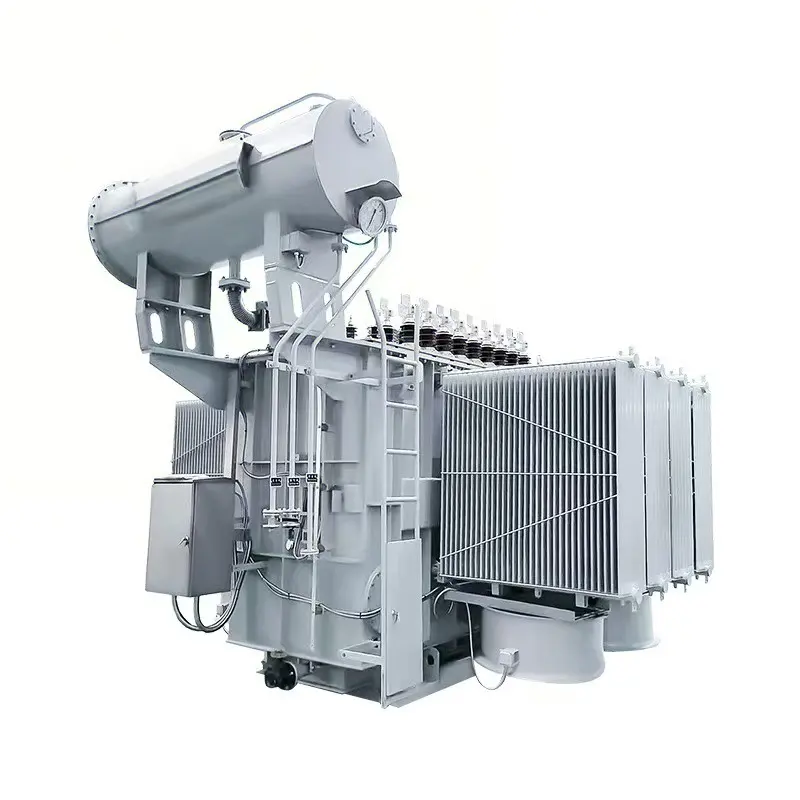
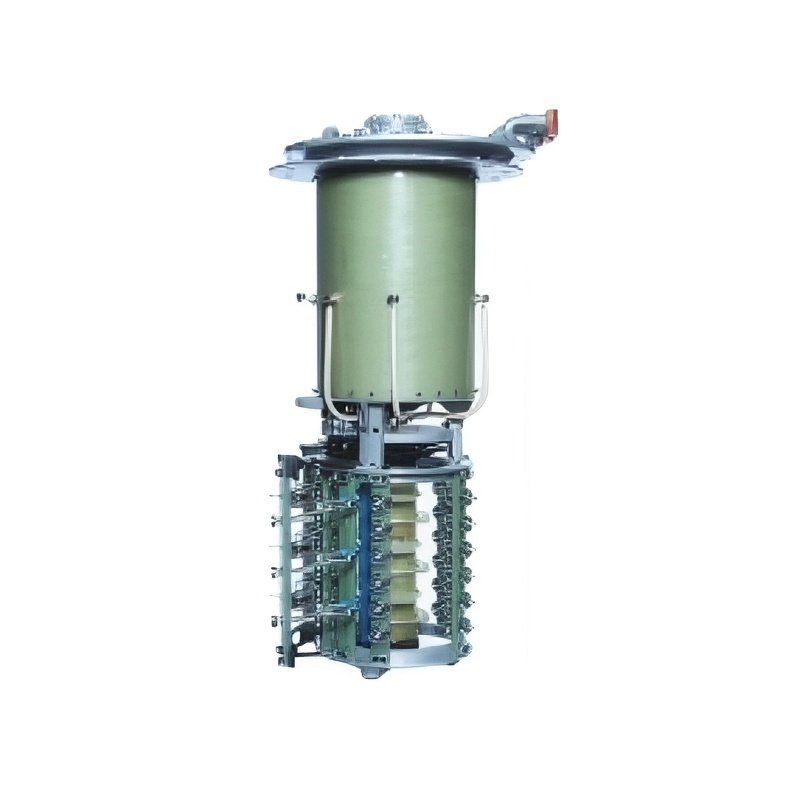
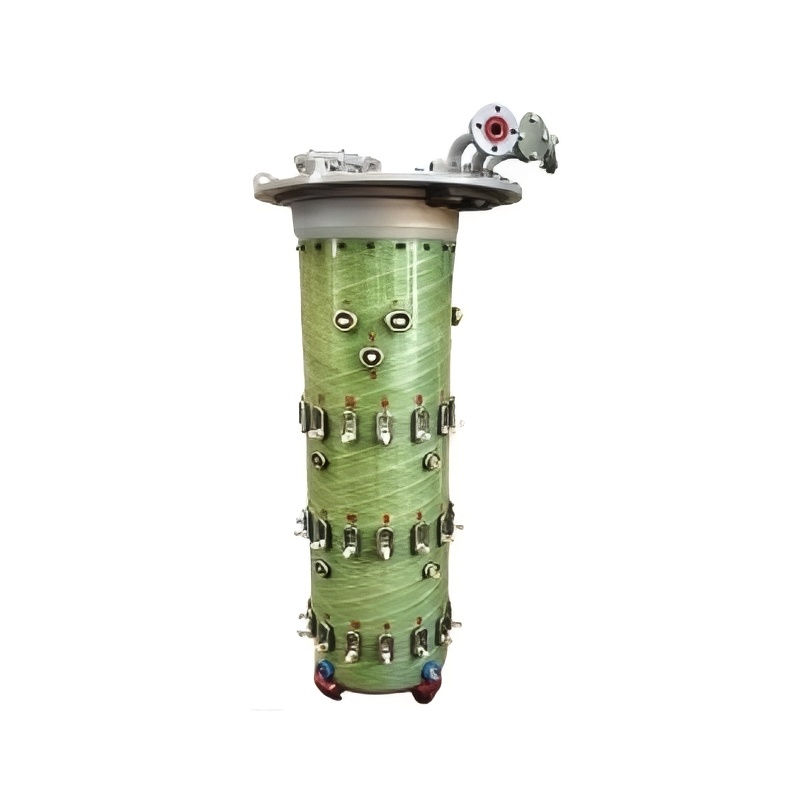
power transformer and distribution transformer
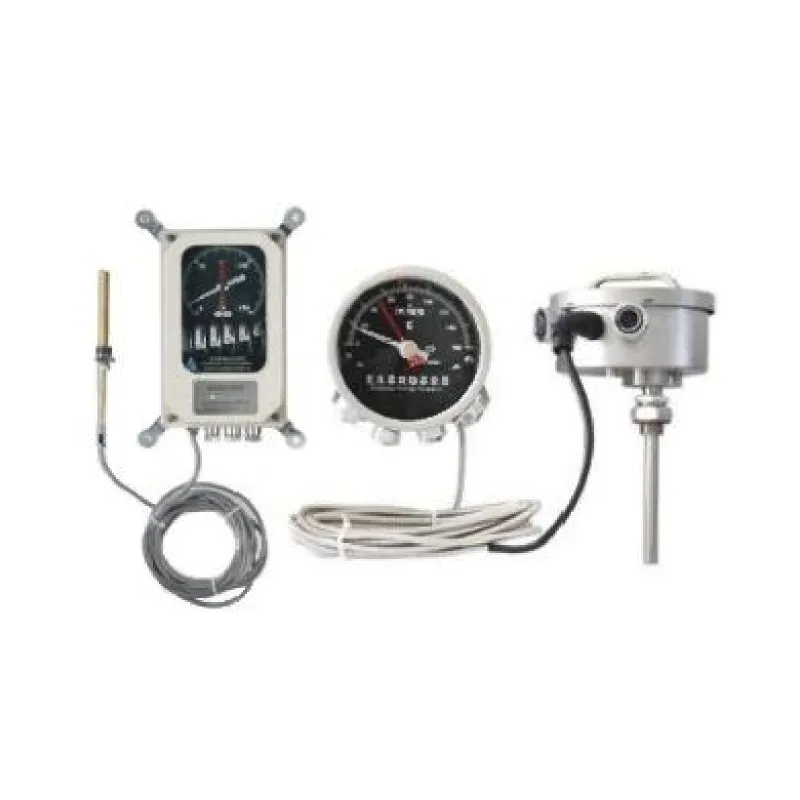
Power transformers and distribution transformers are essential components in electrical power systems, serving distinct yet complementary roles in the power distribution network. Power transformers, typically operating at higher voltage levels, are responsible for stepping up voltage for long-distance power transmission and stepping it down at substations. These units handle large power capacities, ranging from several MVA to hundreds of MVA, and are engineered with sophisticated cooling systems and robust insulation to ensure reliable operation. Distribution transformers, on the other hand, operate at the final stages of the power distribution network, converting medium voltage to low voltage suitable for end-user consumption. These transformers are designed for smaller power ratings, typically below 2500 kVA, and are commonly seen mounted on poles or installed in underground vaults in residential and commercial areas. Both types feature advanced core materials, such as grain-oriented silicon steel, to minimize energy losses and maintain high efficiency. They incorporate various protective devices, including temperature monitors, pressure relief valves, and oil level indicators, ensuring safe and reliable operation throughout their service life.
 EN
EN