 EN
EN

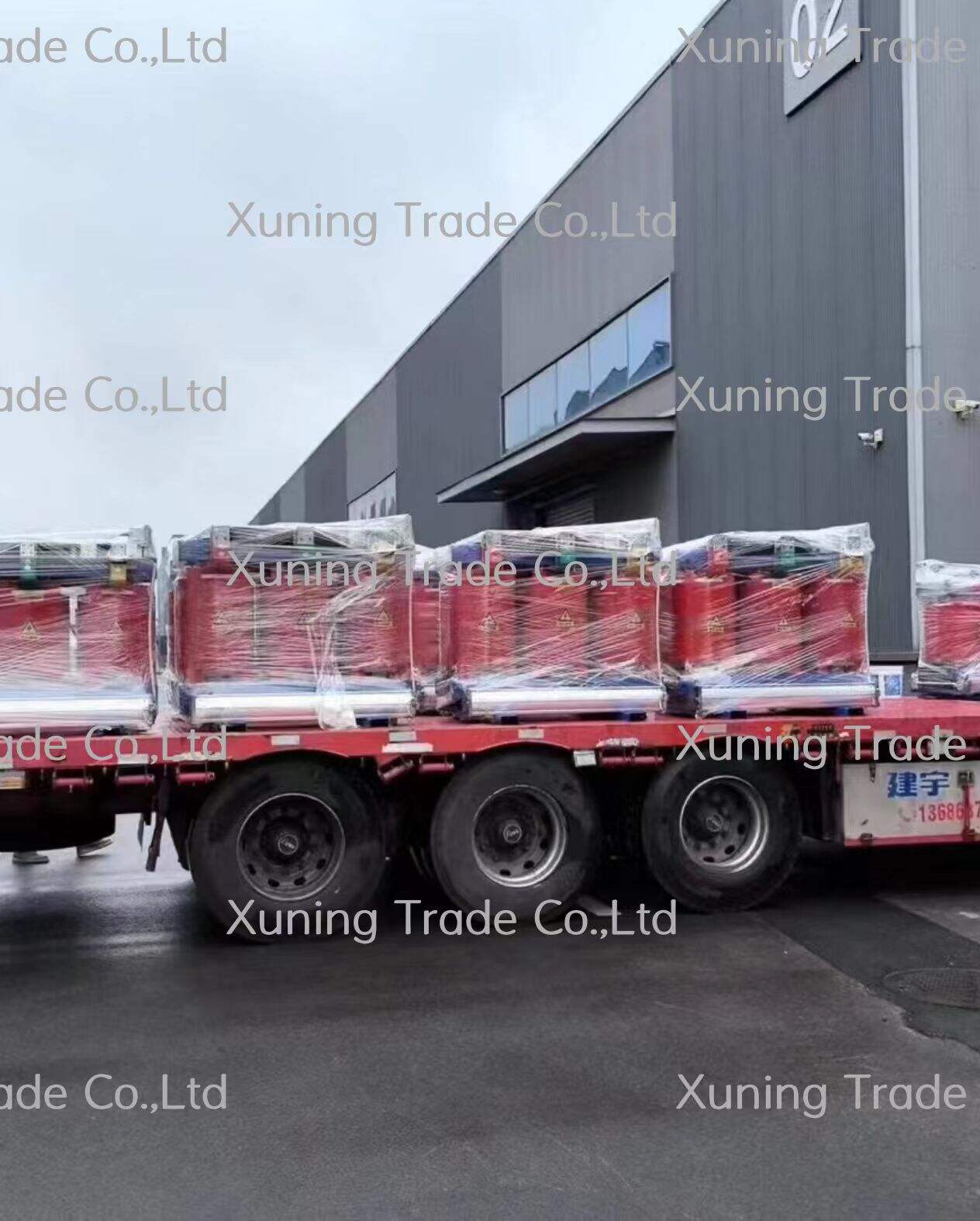
Zewnętrzna tablica rozdzielcza elektryczna stanowi kluczowy element bezpieczeństwa w infrastrukturze elektrycznej, zapewniając zabezpieczone rozprowadzanie energii elektrycznej i minimalizując ryzyko związane z zagrożeniami elektrycznymi. Te specjalistyczne tablice są zaprojektowane tak, aby wytrzymać warunki środowiskowe, zachowując przy tym najwyższe standardy bezpieczeństwa dla personelu, sprzętu oraz otaczających obszarów. Zrozumienie tego, w jaki sposób zewnętrzna tablica rozdzielcza elektryczna zwiększa bezpieczeństwo zasilania, wymaga przeanalizowania jej mechanizmów ochronnych, funkcji bezpieczeństwa oraz zalet eksploatacyjnych w różnych zastosowaniach.
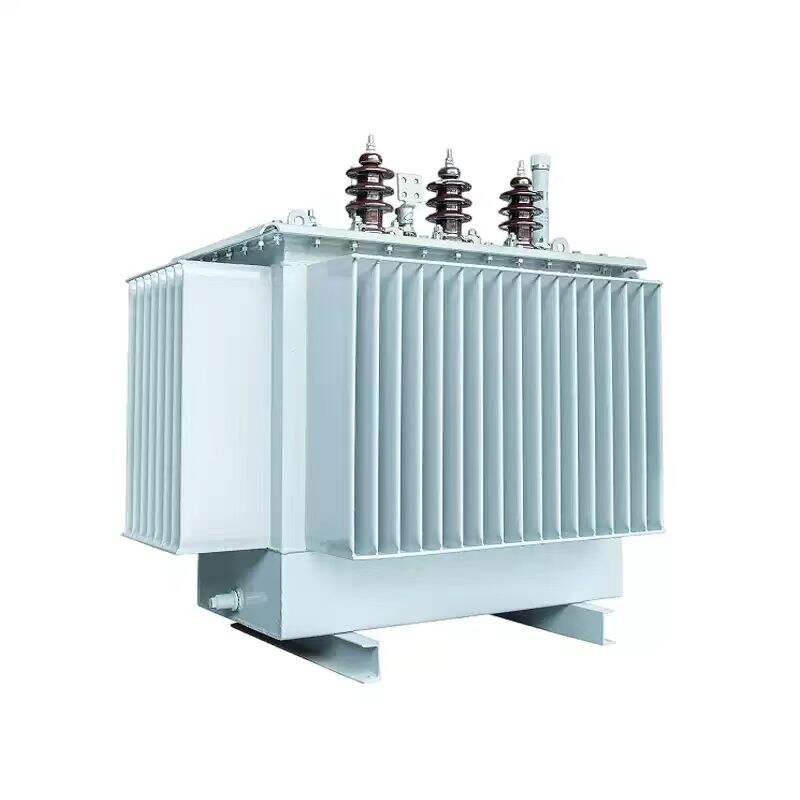
Ulepszenia bezpieczeństwa zapewniane przez zewnętrzny rozdzielnicę elektryczną wykraczają poza podstawową ochronę i obejmują kompleksowe strategie ograniczania ryzyka. Rozdzielnice te zawierają wiele warstw środków bezpieczeństwa – od fizycznej ochrony obudowy po zaawansowane zabezpieczenia elektryczne – tworząc solidną barierę między potencjalnie niebezpiecznymi elementami elektrycznymi a zewnętrznym środowiskiem. Zastosowanie materiałów odpornych na warunki atmosferyczne, prawidłowych systemów uziemienia oraz mechanizmów awaryjnych zapewnia niezawodne działanie oraz ochronę przed wypadkami elektrycznymi, uszkodzeniem sprzętu i przerwami w dostawie energii.
Ochrona fizyczna i funkcje bezpieczeństwa środowiskowego
Projekt obudowy odporny na warunki atmosferyczne
Projekt obudowy zewnętrznej tablicy rozdzielczej zapewnia podstawowe ulepszenia bezpieczeństwa dzięki kompleksowej ochronie przed czynnikami zewnętrznymi. Tablice te wykonane są z materiałów odpornych na korozję, takich jak stal nierdzewna lub specjalnie przetworzony aluminium, które zapobiegają degradacji spowodowanej wilgocią, promieniowaniem UV oraz ekspozycją na substancje chemiczne. Uszczelniona konstrukcja zapobiega przedostawaniu się wody, która mogła by spowodować niebezpieczne zwarcia, pożary elektryczne lub awarie urządzeń zagrożone bezpieczeństwo.
Zaawansowane systemy uszczelek oraz mechanizmy uszczelnienia odpornego na warunki atmosferyczne zapewniają, że elementy wewnętrzne pozostają suche i chronione nawet w trakcie ekstremalnych warunków pogodowych. Ta ochrona środowiskowa bezpośrednio poprawia bezpieczeństwo, zapobiegając awariom elektrycznym związanych z wilgocią, które mogłyby zagrozić bezpieczeństwu personelu lub uszkodzić podłączone urządzenia. Mocna konstrukcja zapewnia również ochronę fizyczną przed uszkodzeniami powstałymi w wyniku uderzeń, które mogłyby ujawnić żywe części elektryczne.
Standardy ochrony przed wtargnięciem
Nowoczesne projekty zewnętrznych szaf rozdzielczych elektrycznych obejmują określone klasy ochrony przed dostaniem się czynników zewnętrznych (klasy IP), które określają ich zdolność do zapobiegania przenikaniu szkodliwych czynników środowiskowych. Wyższe klasy IP oznaczają lepszą ochronę przed pyłem, zanieczyszczeniami oraz wodą, co bezpośrednio koreluje z poprawą bezpieczeństwa eksploatacyjnego. Te standardy ochrony zapewniają izolację elementów elektrycznych od zanieczyszczeń zewnętrznych, które mogłyby spowodować niebezpieczne awarie.
Kompleksowe uszczelnienie zapewniane przez obudowy oznaczone klasą IP zapobiega gromadzeniu się materiałów przewodzących, które mogłyby utworzyć niezamierzone ścieżki przepływu prądu. Ten mechanizm ochrony znacznie zmniejsza ryzyko porażenia prądem, wyładowań łukowych oraz awarii urządzeń, które mogłyby zagrozić bezpieczeństwo personelu pracującego w pobliżu szafy rozdzielczej lub wykonującego na niej prace serwisowe. Znormalizowane klasy ochrony stanowią również jasne wskaźniki bezpieczeństwa dla personelu odpowiedzialnego za montaż i konserwację.
Mechanizmy bezpieczeństwa elektrycznego oraz systemy ochronne
Integracja ochrony przed zwarciem do ziemi
Zewnętrzna rozdzielница elektryczna zawiera zaawansowane systemy ochrony przed zwarciem do ziemi, które wykrywają i przerywają potencjalnie niebezpieczne stany elektryczne zanim zdążą one spowodować szkodę. Mechanizmy te monitorują wzorce przepływu prądu elektrycznego i natychmiast odłączają zasilanie w przypadku wykrycia zwarcia do ziemi, zapobiegając zagrożeniom porażenia prądem oraz ograniczając ryzyko pożaru. Szybka reakcja tych systemów zapewnia kluczowe zapasy bezpieczeństwa w warunkach awaryjnych.
Wyłączniki różnicowoprądowe (RCD) oraz systemy uziemienia urządzeń współpracują w ramach panel elektryczny do dystrybucji na zewnątrz aby stworzyć wiele warstw ochrony przed zagrożeniami elektrycznymi. Systemy te stale monitorują równowagę prądu między przewodnikami i automatycznie wyzwalają się w przypadku niestabilności wskazującej na potencjalne zagrożenia dla bezpieczeństwa. Takie proaktywne podejście do ochrony zapobiega wypadkom jeszcze przed ich wystąpieniem, a nie ogranicza się jedynie do reagowania na istniejące zagrożenia.
Ochrona przed przepływem prądu nadmiernego i zarządzanie obwodami
Urządzenia ochrony przed przepływem prądu nadmiernego zintegrowane w projektach zewnętrznych szaf rozdzielczych zapewniają kluczowe ulepszenia bezpieczeństwa, zapobiegając przeciążeniom elektrycznym, które mogą spowodować pożary, uszkodzenia sprzętu lub niebezpieczne warunki eksploatacji. Wyzwalacze nadprądowe i bezpieczniki są strategicznie rozmieszczone tak, aby szybko izolować uszkodzone obwody, zachowując jednocześnie zasilanie obszarów nieobjętych awarią. Ta selektywna ochrona minimalizuje ryzyko dla bezpieczeństwa, zachowując przy tym funkcjonalność systemu.
Współdziałanie urządzeń ochronnych w zewnętrznej szafie rozdzielczej zapewnia, że prądy zwarciowe są przerywane na odpowiednich poziomach, bez powodowania awarii kaskadowych. Ta hierarchia ochrony zapobiega eskalacji drobnych usterek elektrycznych do poważnych zagrożeń bezpieczeństwa oraz zapewnia wyraźne punkty izolacji do celów konserwacji i diagnozowania usterek. Poprawna ochrona przed przepływem prądu nadmiernego wydłuża również żywotność sprzętu, zapobiegając uszkodzeniom spowodowanym naprężeniem elektrycznym.
Ulepszenia bezpieczeństwa instalacji i dostępności
Wymagania dotyczące bezpiecznej przestrzeni pracy
Projekt zewnętrznej rozdzielni elektrycznej musi uwzględniać wymagania dotyczące bezpiecznej przestrzeni pracy, które chronią personel podczas instalacji, konserwacji oraz działań w sytuacjach nagłych. Rozdzielnie te są konfigurowane tak, aby zapewniać wystarczające odstępy umożliwiające bezpieczny dostęp przy jednoczesnym zachowaniu odpowiednich odstępów elektrycznych. Znormalizowane podejście do projektowania przestrzeni pracy zmniejsza ryzyko przypadkowego kontaktu z elementami pod napięciem podczas rutynowych czynności.
Właściwe wymagania dotyczące odstępów w projektowaniu zewnętrznych szaf rozdzielczych obejmują uwzględnienie zagadnień związanych z ewentualnym ewakuowaniem w nagłych sytuacjach, wentylacją urządzeń oraz bezpiecznymi odległościami podejścia. Elementy te zapewniają, że personel konserwacyjny może bezpiecznie pracować w pobliżu urządzeń pod napięciem, a także zapewniają wystarczającą przestrzeń na działania ratownicze w przypadku incydentów elektrycznych. Systematyczne podejście do bezpieczeństwa strefy roboczej zmniejsza ryzyko błędów ludzkich i poprawia ogólny poziom bezpieczeństwa operacyjnego.
Wizualne systemy wskazania i ostrzegania
Nowoczesne instalacje zewnętrznych szaf rozdzielczych zawierają kompleksowe wizualne systemy wskazania, które zwiększają bezpieczeństwo poprzez dostarczanie personelowi jasnych informacji o stanie pracy systemu. Wskaźniki LED, lampki stanu oraz tablice ostrzegawcze pozwalają pracownikom szybko zidentyfikować warunki działania systemu oraz potencjalne zagrożenia jeszcze przed rozpoczęciem czynności serwisowych. Te wizualne bodźce zmniejszają prawdopodobieństwo wypadków spowodowanych nieporozumieniem dotyczącym aktualnego stanu systemu.
Etykiety ostrzegawcze i instrukcje bezpieczeństwa trwale zamocowane na obudowach zewnętrznych szaf rozdzielczych zapewniają niezbędne informacje dotyczące bezpieczeństwa w miejscu wykonywania pracy. Oznaczenia te obejmują poziomy napięcia, strefy zagrożenia łukiem elektrycznym, wymagane środki ochrony indywidualnej oraz dane kontaktowe do sytuacji nagłych. Natychmiastowa dostępność informacji dotyczących bezpieczeństwa skraca czas reakcji w sytuacjach awaryjnych i przyczynia się do zapobiegania wypadkom dzięki lepszej świadomości zagrożeń.
Bezpieczeństwo konserwacji i niezawodność eksploatacyjna
Harmonogramy inspekcji i testów
Ulepszenia bezpieczeństwa zapewniane przez zewnętrzny rozdzielnicę elektryczną obejmują również czynności konserwacyjne dzięki wbudowanym cechom projektowym, które ułatwiają bezpieczne procedury inspekcyjne i testowe. Demontowalne panele, punkty pomiarowe oraz porty dostępu diagnostycznego pozwalają personelowi serwisowemu na przeprowadzanie niezbędnych czynności kontrolnych w zakresie bezpieczeństwa bez narażania się na niepotrzebne zagrożenia pochodzące od prądu elektrycznego. Te cechy projektowe wspierają proaktywne podejście do konserwacji, umożliwiając wykrywanie potencjalnych problemów związanych z bezpieczeństwem jeszcze przed ich eskalacją do stanu zagrożenia.
Okna do termowizji oraz porty diagnostyczne wbudowane w konstrukcję zewnętrznych rozdzielnic elektrycznych umożliwiają metody inspekcji bezkontaktowej, eliminujące konieczność usuwania pokryw podłączonych do sieci podczas rutynowych ocen. Te funkcje bezpieczeństwa pozwalają zespołom serwisowym na monitorowanie stanu urządzeń przy jednoczesnym zachowaniu pełnej ochrony przed działaniem prądu elektrycznego, co zmniejsza ryzyko narażenia oraz poprawia kompleksowość i częstotliwość przeprowadzanych inspekcji.
Możliwość awaryjnego wyłączenia i izolacji
Mechanizmy awaryjnego wyłączenia zintegrowane w projektach zewnętrznych szaf rozdzielczych zapewniają kluczowe funkcje bezpieczeństwa w przypadku uszkodzeń sprzętu, prac konserwacyjnych lub sytuacji nagłych. Te systemy umożliwiają szybkie odłączenie obwodów elektrycznych przy jednoczesnym zachowaniu wyraźnych punktów izolacji, co zapewnia bezpieczeństwo podczas wykonywania prac. Natychmiastowa dostępność przycisków wyłączenia skraca czas reakcji w sytuacjach nagłych oraz zapewnia bezpieczną, jednoznaczną izolację podczas prac konserwacyjnych.
Funkcje blokady i oznaczania (lockout/tagout) wbudowane w projekty zewnętrznych szaf rozdzielczych gwarantują bezpieczne utrzymanie sprzętu w stanie odłączenia podczas prac konserwacyjnych. Te mechaniczne systemy izolacji zapobiegają przypadkowemu ponownemu załączeniu zasilania w trakcie wykonywania prac, chroniąc personel konserwacyjny przed zagrożeniami pochodzącymi od prądu elektrycznego. Zastosowanie ustandaryzowanego podejścia do procedur izolacji i blokady zmniejsza ryzyko błędów ludzkich oraz zapewnia spójne praktyki bezpieczeństwa we wszystkich instalacjach.
Często zadawane pytania
Co czyni zewnętrzny rozdzielnicę elektryczną bezpieczniejszą niż rozdzielnice wewnętrzne?
Zewnętrzna rozdzielница elektryczna wyposażona jest w ulepszone funkcje ochrony przed czynnikami zewnętrznymi, w tym obudowy odporno na warunki atmosferyczne, wyższe stopnie ochrony przed przenikaniem obcych ciał i wody oraz materiały odporne na korozję, które zapobiegają zagrożeniom bezpieczeństwa wynikającym z oddziaływania czynników środowiskowych. Rozdzielnice te zawierają również specjalne systemy uziemienia oraz mechanizmy ochrony przed uszkodzeniami zaprojektowane tak, aby bezpiecznie działać w warunkach zewnętrznych, gdzie czynniki środowiskowe mogą zagrozić bezpieczeństwu elektrycznemu.
W jaki sposób systemy ochrony przed zwarciem do ziemi w zewnętrznych rozdzielnicach zapobiegają wypadkom elektrycznym?
Systemy ochrony przed zwarciem do ziemi w instalacjach zewnętrznych szaf rozdzielczych stale monitorują przepływ prądu elektrycznego i automatycznie odłączają zasilanie w przypadku wykrycia niebezpiecznych zwarć do ziemi. Te systemy reagują w ciągu milisekund, przerywając potencjalnie śmiertelne obwody elektryczne, zapobiegając zagrożeniom porażenia oraz ograniczając ryzyko pożaru zanim uda się one zaszkodzić osobom lub urządzeniom.
Jakie certyfikaty bezpieczeństwa powinienem sprawdzić przy zakupie zewnętrznej szafy rozdzielczej?
Szukaj certyfikatów dotyczących zewnętrznych szaf rozdzielczych, w tym certyfikatu UL, klasyfikacji NEMA określającej stopień ochrony przed czynnikami zewnętrznymi oraz zgodności z lokalnymi przepisami elektrycznymi, takimi jak wymagania NEC. Te certyfikaty zapewniają, że szafa spełnia ustalone normy bezpieczeństwa dotyczące ochrony elektrycznej, odporności na czynniki środowiskowe oraz niezawodności działania w zastosowaniach zewnętrznych.
Jak często należy przeprowadzać inspekcje bezpieczeństwa zewnętrznych szaf rozdzielczych?
Inspekcje bezpieczeństwa instalacji zewnętrznych szaf rozdzielczych elektrycznych powinny być przeprowadzane co najmniej raz w roku; częstsze inspekcje są zalecane dla szaf umieszczonych w trudnych warunkach środowiskowych lub stosowanych w zastosowaniach krytycznych. Regularne badania termowizyjne, sprawdzanie dokręcenia połączeń oraz testowanie urządzeń ochronnych pozwalają na wykrycie potencjalnych zagrożeń bezpieczeństwa jeszcze przed ich przekształceniem się w niebezpieczne stany, które mogą zagrażać bezpieczeństwu personelu lub sprzętu.
Table of Contents
- Ochrona fizyczna i funkcje bezpieczeństwa środowiskowego
- Mechanizmy bezpieczeństwa elektrycznego oraz systemy ochronne
- Ulepszenia bezpieczeństwa instalacji i dostępności
- Bezpieczeństwo konserwacji i niezawodność eksploatacyjna
-
Często zadawane pytania
- Co czyni zewnętrzny rozdzielnicę elektryczną bezpieczniejszą niż rozdzielnice wewnętrzne?
- W jaki sposób systemy ochrony przed zwarciem do ziemi w zewnętrznych rozdzielnicach zapobiegają wypadkom elektrycznym?
- Jakie certyfikaty bezpieczeństwa powinienem sprawdzić przy zakupie zewnętrznej szafy rozdzielczej?
- Jak często należy przeprowadzać inspekcje bezpieczeństwa zewnętrznych szaf rozdzielczych?
