 EN
EN

Quomodo genera transformatorum electricorum systemata in his fundantur, quae directe formam dare possunt praestantiae energiae totius aedificii. Utrum plantam industrialem, aedificium commerciale, an stationem subutilitatis administras, electio transformatoris non est passiva — sed una ex gravissimis decisionibus technicis est, quae determinat quantum energia amittatur, quam stabilis tensio maneat, et quam fideli modo instrumenta tua operentur per tempus. Multi magistri aedificiorum et ingeniarii electrici subaestimant quantitatem qua electio transformatoris influat efficiam potestatis totam, saepe potius in optimisatione instrumentorum inferiorum incumbentes quam in eo fundamento, quod transformatores praebent.
Relatio inter genera transformatorum, quae ingeniarii electrici eligunt, et effectus efficiendi mensurabiles in systemate electrico bene documentata est tam in studiis academicis quam in praxi industriali. Diversa genera transformatorum diversa fundamentaliter habent profila harum perdarum, comportamenta thermalia, et proprietates responsionis ad onera. Per examinandum quomodo unumquodque magnum genus transformatorum ad efficientiam electricam conferat vel ab ea detrahat, decidentes meliora iudicia de emptionibus et conceptione systematis facere possunt. Hoc articulum explorat mechanismos, quibus genera transformatorum, quibus infrastructura electrica innititur, ita optimizari possunt, ut consumptio energiae minuatur, impensae operationis deducantur, et longae durationis fines sustentabilitatis adiuvarentur.
Ordo Designis Nuclei Transformatoris ad Minuendas Perdas Energiae
Quomodo Materialis Nuclei Perdas in Statu Sine Onere Afficit
Unus ex maximis modis quibus systemata electrica transformatorum generum efficaciam potestatis augere possunt in materia et geometria nuclei consistit. Perdita sine onere, quae etiam "perdita ferri" vel "perdita nuclei" appellantur, continuo occurrunt quotienscumque transformator excitatur — sive onus aliquod suppleat sive non. Haec perdita causantur a histéresi et a currentibus vorticosis intra materiam magneticam nuclei. Nuclei ex ferro silicio traditio generant perdita sine onere mensurabilia quae per milia horarum operationis singulis annis accumulantur.
Moderni typi transformatorum, quos hodie ingeniores electrici magis magisque specificant, saepe utuntur nucleis ex metallo amorpha, quae minuere possunt perditas sine onere usque ad 70–80 procentum comparato ad ferrum silicium orientatum granulatum. Legatio amorpha structuram atomicam inordinatam habet, quae perditas histereos notabiliter minuit. Pro transformatoribus qui continuo operantur sub onere parvo vel partiale — quod in aedificiis commercialibus et in mediocribus industriae locis frequens est — haec minuendo perditarum in nucleo directe in conservationem energiae mensurabilem convertitur per totam vitam operationalem transformatoris.
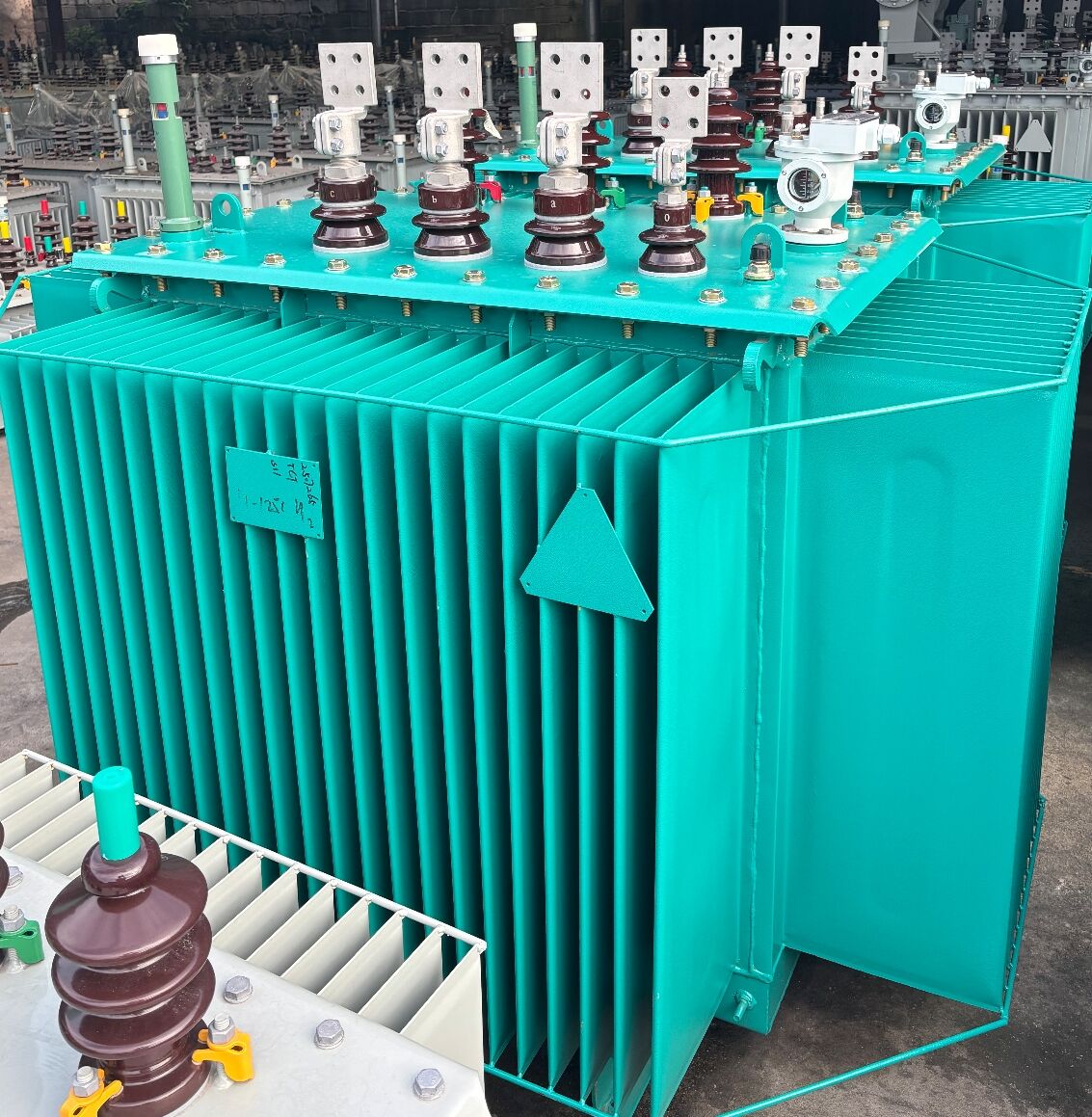
Serie S11 transformatorum oleo-immersorum, exempli gratia, principia designandi includuntur quae ad minimum reducendum perditas in nucleo tendunt, dum tamen firmitas functionis sub variabilibus conditionibus oneris servatur. Cum turmae procurandae electricae de typis transformatorum iudicant, notae perdarum in nucleo ut metrica principalis efficacitatis, non ut specificatio secundaria, habendae sunt.
Perditae sub onere et optimizatio spire cupreae
Praeter perditas principales, perditae oneris — quae etiam perditae cupri vel perditae convolutionum appellantur — secundam magnam perditionis energiae categoriam in transformatoribus constituunt, quibus retia electrica innituntur. Haec perditae in resistentia convolutions cupri aut aluminium oriuntur et cum quadrato currentis oneris augentur. Transformator qui ad quinquaginta procenta nominis sui oneris operatur tantum vicesimum quintum procentum perdarum cupri experietur, quas ad plenum onus pati posset; idcirco analysys profili oneris necessaria est, cum specificatio transformatoris eligitur.
Moderni transformatorum generis electrici designatores optimizant utentes maioribus sectionum transversarum conductoribus, emendata geometria vinculorum, et conductoribus transpositis in unitatibus altius capacitatibus, ut minuantur amissae resistivae. Aequilibrium inter amissas sine onere et amissas sub onere est critica designandi commutatio: transformator ad minimas amissas sine onere optimatus fortasse habebit leviter maiores amissas sub onere, et contra. Itaque congruere profili amissarum transformatoris ad veram curvam oneris installationis est principalis strategia ad efficiendam veram efficaciam.
Facilitates quae habent altos et constantes factores oneris maxime proficiunt ex transformatoribus ad minimas amissas sub onere optimatis, dum facilitates quae habent longos periodos levis onerationis magis proficiunt ex designis ad minimas amissas sine onere. Intellectus huius distinctionis est fundamentalis ad seligendum rectos generis transformatorum quos systemata electrica requirunt ad veram efficaciam augendam.
Transformatores Oleo Immersi Contra Transformatores Siccos et Eorum Profilia Efficaciae
Praecepta Efficiendi in Transformatoribus Oleo Immersis
Inter praecipuos transformatorum generum, inter quos ingeniores electrici eligere solent, transformatores oleo immersi iam pridem sunt norma pro distributione potestatis mediis et altis tensionibus ob praestantem gestionem thermicam et proprietates efficiendi. Oleum insulans duplicem fungitur officium: isolat electrica inter spira et nucleum, et simul est medium refrigerans maxime efficax quod calorem ab partibus activis transformatoris auferit.
Quia typi transformatorum oleo immersorum, qui in substationibus electricis et in aedificiis industrialibus utuntur, calorem efficacius dissipare possunt quam alternativae aer-coolatae, ita designari possunt cum geometriis strictioribus convolutionum et cum densitatibus fluxus altioribus, sine detrimento fiduciae thermalis. Hoc permittit compactiores et efficaciores formas nucleorum et convolutionum. Resultat ergo transformator qui minores totales amissas ad datam potestatem attingit quam multi alternativi sicci eiusdem capacitas.
Transformatoribus oleo immersis etiam tendentia est maior toleratio supra onus, quod significat eos posse oneris impetus temporarios sustinere sine notabili efficiendi detrimento. Pro applicationibus industrialibus, ubi oneris postulatum per diem multum variat, haec qualitas ad stabilitatem et efficiendiam systematis totius augendam contribuit. Series S11 exemplificat quomodo moderni typi transformatorum oleo immersorum, quos specialistae in emptione electrica aedificant, designem nuclearem paucarum perditarum cum efficaci directione thermali coniungere possunt, ut fortes efficiendi effectus producantur.
Quando Transformatoribus Siccis Praeclara Efficiendi Commoda Officiant
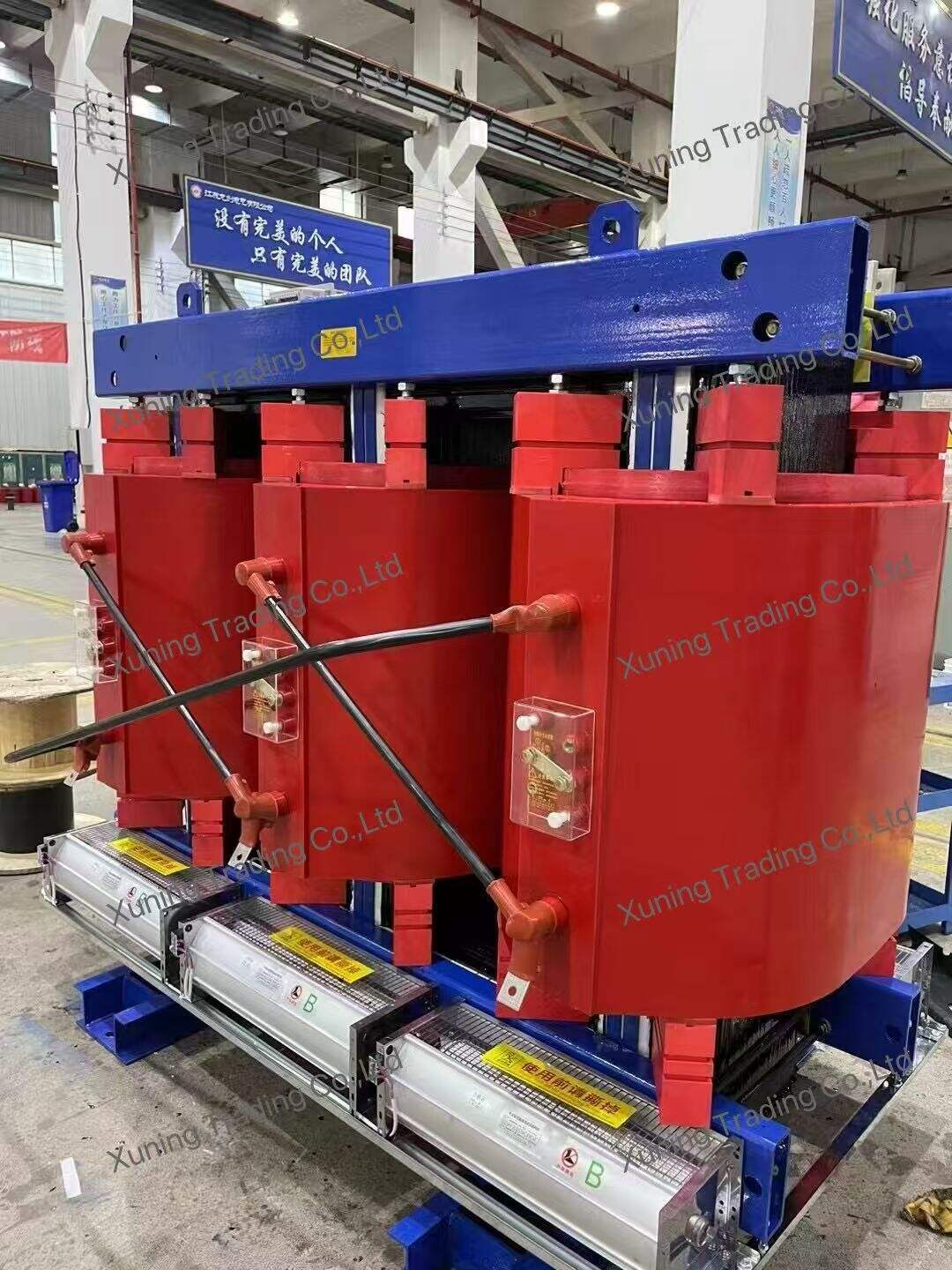
Transformatorēs siccī generis alteram praeterea magnī momentī categoriam constituunt inter varia transformātōrum genera quae in facultātibus electricīs considerantur, praesertim ad īnstaurationēs intus ubi cūra de incendiīs et de rēbus ambientibus usum oleī limitant. Transformatorēs siccī generis ex resina fūsa et impregnātī sub vācuō ac pressiōne oleum effugere nōn possunt et minuunt necessitātem cūrae, quod ad minuendōs cōstōs per totam vītam contribuere potest, etiamsī efficācia eōrum in energia crūda paululum minor sit quam transformātōrum immersōrum in oleō.
In locis, ut sunt aedificia hospitalium, centra datorum, aedificia alta et structurae subterraneae, genera transformatorum siccorum quae ingeniarii electrici specificant saepe sola optio practica sunt. Modernae formae transformatorum siccorum multum in efficentia emendatae sunt; systemata insulantia Classis F et Classis H temperaturas operativas altiores permittunt et formas contractiores. Cum totus pretii usus — inter quae sunt cura, structurae ad extinguendos incendios, et observantia legum de rebus ambientibus — in calculum ducuntur, transformatores sicci solutionem efficacem et pretio commoda repraesentare possunt pro apto contextu applicationis.
Principale inspicere est ut comparationes efficacitatis inter genera transformatorum quas emptores electrici faciunt semper sint speciales ad applicationem. Transformator sicci typi in idoneo ambiente intus collocatus, recte dimensus pro suo oneris schemate, optimam efficacitatem praestare potest simul cum exigentiis de salute et regulis quas unitates oleo-immersae in eodem loco satisfacere non possunt.
Regulatio Tensionis et eius Effectus in Totius Systematis Efficacitatem Electricam
Quomodo Mala Regulatio Tensionis Energiam Perdit
Regulatio voltāgis est characteristicum praestantiae quod multum variat inter genera transformatorum quae systemata electrica potestātis includunt, et quod directum saepeque subaestimātum habet effectum in efficāciā energiae totā. Regulatio voltāgis ad mutātiōnem voltāgis secundariae inter conditiōnēs sine onere et plēnī oneris refertur, expressam ut percentāgem voltāgis nominālis. Transformātor cum pessimā regulatiōne voltāgis permittit ut voltāgiō exīs exitiāle sub onere notābiliter decrescat, quod machīnās post transformātōrem cōgitat ut correntēs altiōrēs trahant ad eandem potentiālem exīs servandam — augēns itaque pēnās per totum systema distribūtiōnis.
Cum reticula distributionis electricae genera transformatorum utuntur quae impedantiam magnam habent aut proprietates regulandi inprobas, motores, impulsores, et alia onera inductiva compendium praebere debent pro depressione voltatis trahendo currentem reactivam nimiam. Hoc incrementum potestatis apparentis in systemate efficit, factor potestatis minuit, et calorem additum in cavis, apparatu interruptivo, et ipso transformatoris generat. Effectus cumulativus est diminutio efficacitatis systematis quae mensurabilis est et longe ultra figuras proprias perditionis transformatoris extenditur.
Eligendo genera transformatorum quae ingeniores electrici specificant cum regula voltatis stricta — quae saepe infra 4 ad 5 procenta est pro transformatoribus distributionis — adiuvatur ut voltatio stabilis in puncto usus servetur, postulatum potentiae reactivi minuatur, et factor potestatis totius installationis melior sit. Haec res maxime important est in aedificiis quae magna onera motorum habent aut apparatus electronicos delicatos qui voltationem stabilem suppeditationis requirunt ad operationem efficacem.
Commutatores Capitis Sub Onere et Controlus Adaptativus Tensionis
Typi transformatorum provecti, quos ingeniarii electrici utilitatum publicarum et industriales saepe implementant, frequenter includunt commutatores capitis sub onere (OLTCs), qui permittunt rationem spire admodum transformatoris mutare dum unitas manet excitata et sub onere. Haec facultas permittit regulacionem tensionis in tempore reali ad mutationes conditionum oneris, fluctuationes rete, aut difficultates integrationis energiarum renovabilium. Servando tensionem exiens intra angustum intervallum, quamvis varientur input, OLTCs adiuvant ut compensatio potentiae reactivae, quae alibi in systemate requiritur, minuatur.
Pro facilis, quae ad retia coniunguntur, quorum voltages variabiles sunt — quod frequens fit, cum generatio distributa renascens fluxus electricos bidirectionales inducit — genera transformatorum, quae designatores systematum electricorum cum facultate OLTC eligunt, praestant magnam praerogativam efficacitatis. Facultas ratio transformationis voltages dynamice optimizandi significat ut instrumenta infra semper propius ad suum punctum designatum operentur, minuentes tam perditas activas quam reactivas per totam installationem.
Etiam absque OLTC, diligens electio positionis fixae gradus in tempore commissionis efficacitatem sensibiliter meliorare potest. Multi electrici installatores hanc partem neglegunt, transformatores in positione nominali relinquentes, etiam cum voltatio realis suppeditata constanter supra vel infra nominalem sit. Adaptatio gradus ad veram voltationem suppeditatam perditas sine onere minuit et regulatonem voltationis ad terminales oneris emendat.
Strategia Dimensionum et Accommodatio Onus pro Maxima Efficacitate
Poena Efficientiae Transformerum Nimis Magnorum
Unum ex communissimis erroribus efficientiae in conceptione systematum electricorum potestatis ad dimensiones transformerum pertinet, quos ingeniores electrici specificant. Est communis consuetudo transformerum magnitudinem augere ut praecautio contra futurum incrementum oneris, sed haec praxis veram efficientiam minuit. Transformatores maxime efficientes sunt cum inter quinquaginta et octoginta procenta suae capacitates nominis operantur. Sub hoc intervallo, perditae immutabiles sine onere fractionem dispropotionate magnam totius energiae, quam transformator consumit, constituunt.
Gestores facultatum electricarum, qui transformatoris typi in loco instituunt capacitate duplicata ea, quae requiritur, perenniter perditas sine onere sustinent ad plenum gradum nominalem dum tantum partem minimam nominis sui efficiunt. Per annum operationis continuatae, haec inefficientia magnam quantitatem energiae absumptae repraesentare potest. Haec autem perditio efficientiae non est magna in singulis horis, sed per totam vitam operativam transformatoris, quae viginti ad triginta annos durat, continue crescit.
Igitur recta analysi oneris ante specificationem transformatorum, quos aequipes procurandi electrici ordinant, necessaria est. Id significat realistici iudicii de praesenti summa petita, de medio factoris oneris, et de credibilibus futuris incrementis oneris — non simpliciter applicationem magnae marginis tutelaris ad onus coniunctum. Optima dimensio transformatoris ad verum profilum oneris una ex facillimis et efficacissimis rationibus est, quibus efficientia electrica in systemate distributionis meliorari potest.
Operatio parallela et divisio oneris pro variabili petitione
Pro aedificiis cum valde variabilibus profilius oneris, dispositio plurium minorum typorum transformatorum, quos ingeniores electrici ad operationem parallelam constituunt, magnos efficacitatis commoda praebet prae uno magno. Cum postulatum parvum est, unus aut plures transformatores e circuitu tolli possunt, ita ut earum perditae sine onere penitus tollantur. Cum postulatum crescit, unitates additae in circuitum introducuntur ut onus inter se dividant. Haec ratio singulos activos transformatores intra optimam suam efficacitatis ambitum operari iubet, quocumque totius systematis postulato.
Operatio parallela exiget diligentem attentionem ad adaptationem impedantiarum et ad compatibilitatem grupporum vectorialium generum transformatorum quos electores systematum electricorum seligunt. Transformatores cum impedantiis dissonantibus onus non aequabiliter inter se divident, quod potest ad unius unitatis supraonerationem ducere, dum altera in efficacia infima operatur. Systemata moderna protectionis et directionis commutationem transformatorum parallelorum automare possunt secundum mensuras oneris in tempore reali, hanc igitur strategiam practicam reddens etiam in ambibus industrialibus complexis.
Combinatio dimensionis idoneae, strategiae operationis parallelae, et cautelosae specificandi proprietates amissarum repraesentat rationem integratam ad maximam efficaciam ex systematibus electricis potestatis, quae in transformatoribus innituntur, extrahendam. Unumquodque elementum cetera confirmat, et simul meliorationes efficaciae praebere possunt quae impensam additam ingenierii in phasibus designandi iustificant.
FAQ
Quid facit quosdam transformatorum typos systemata electrica utantur efficacioribus aliis?
Differentiae in efficacia inter typos transformatorum quae systemata electrica utuntur ad materiam nuclei, ad formam convolutionum, ad methodum refrigerationis, et ad quam bene transformator ad suum reale onus adaptatus est reducuntur. Transformatores amorphi nuclei minores habent perditas sine onere, dum convolutiones optimae ex aere cupro perditas sub onere minuunt. Designia immersa in oleo generaliter meliorem gerunt gestionem thermicam quam unitates siccae ad potestates superiores. Transformator efficacissimus pro quaque applicatione est ille cuius profilius perdarum optime convenit curvae oneris realis aedificii.
Quomodo dimensio transformatoris efficiam potestatis in praxi afficit?
Genera transformatorum, quae ingeniores electrici saepe maiora eligunt, tendunt ad operationem ad factoribus oneris parvis, ubi perdita fixa sine onere magnam partem totius consumptionis energiae constituunt. Transformator qui ad viginti per centum suae capacitates nominis operatur multo minus efficax est quam ille qui ad sexaginta ad septuaginta per centum operatur. Analyse oneris apta et transformatoris dimensiones ad verum profili exigentiarum — non ad theoriam maximum onus coniunctum — adiustare est unum ex efficacissimis modis ad realem efficaciam electricam augendam.
Num electio inter transformatores oleo-immersos et siccos impetum habere potest in impensas energiae?
Ita, electio inter hos transformatorum typus, quam ementores electrici faciunt, effectum habet in impensis pro energia, quamvis magnitudo pendeat ex applicatione. Transformatores oleo immersi generaliter minores habent perditas totales in mediis et altis potentiis propter praestantioram gestionem thermalis. Transformatores sicci perditas aliquantulum maiores habere possunt, sed impensas pro manutenentia et incendii tutela, quae ex oleo oriuntur, tollunt. Optima electio, quae impensas minimizat, requirit ut ambae perditae energeticae et impensae totius vitae cycli (quae manutenentiam, observationem normarum, et limites installationis includunt) aestimentur.
Quotiens transformatorum typi, quos facultates electricae operantur, ad efficiendam efficaciam recensendi sunt?
Genera transformatorum, quibus facultates electricae utuntur, ad efficiendam rationem saltem semel quinquennio aestimanda sunt, aut quotienscumque mutationes magnae in profilo oneris facultatis accidunt. Transformatores senescentes augere possunt amissas propter degradationem insulatorum, senectutem nuclei, aut deterioriationem spire. Incrementum oneris aut diminutio etiam transformatorem extra suum optimum efficiendi intervallum transferre possunt. Auditus regulares efficiendi, coniuncti cum observatione qualitatis potentiae, adiuvant ut detegatur quando substitutio transformatoris aut supplementum unitatibus additis redditum positivum per conservationem energiae afferat.
Table of Contents
- Ordo Designis Nuclei Transformatoris ad Minuendas Perdas Energiae
- Transformatores Oleo Immersi Contra Transformatores Siccos et Eorum Profilia Efficaciae
- Regulatio Tensionis et eius Effectus in Totius Systematis Efficacitatem Electricam
- Strategia Dimensionum et Accommodatio Onus pro Maxima Efficacitate
-
FAQ
- Quid facit quosdam transformatorum typos systemata electrica utantur efficacioribus aliis?
- Quomodo dimensio transformatoris efficiam potestatis in praxi afficit?
- Num electio inter transformatores oleo-immersos et siccos impetum habere potest in impensas energiae?
- Quotiens transformatorum typi, quos facultates electricae operantur, ad efficiendam efficaciam recensendi sunt?
