 EN
EN

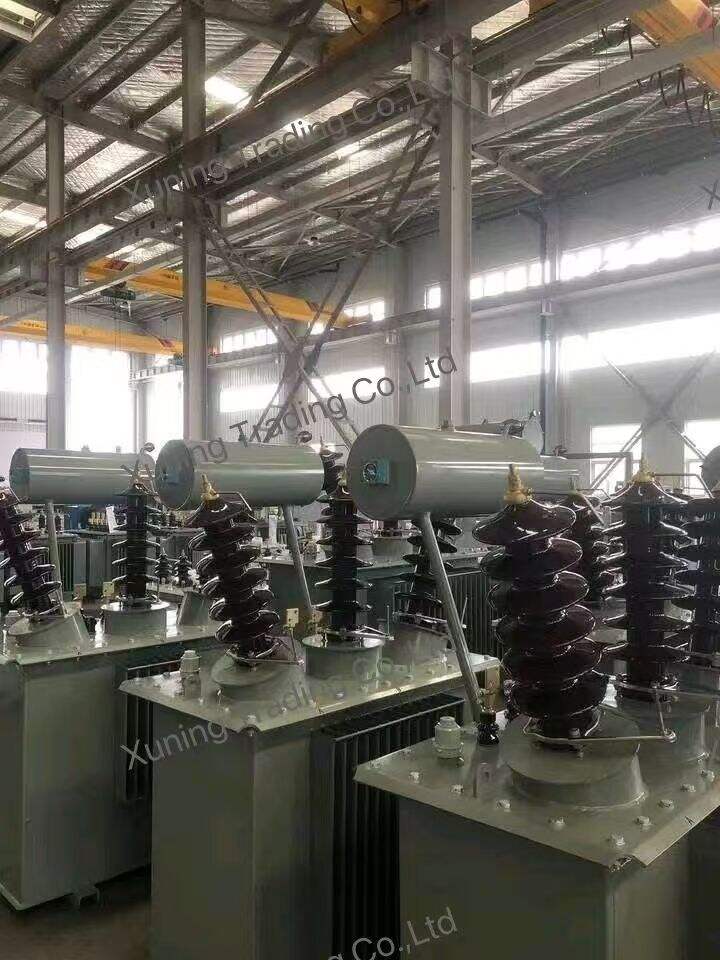
Էլեկտրական էներգիայի բաշխման արդյունավետությունը ուղղակիորեն ազդում է շահագործման ծախսերի, սարքավորումների ծառայության ժամկետի և ամբողջ համակարգի հավաստիության վրա արդյունաբերական և առևտրային կիրառումներում: Ժամանակակից տրանսֆորմատորները հանդիսանում են արդյունավետ էլեկտրական էներգիայի բաշխման ցանցերի հիմքը՝ էլեկտրական էներգիան փոխակերպելով տարբեր լարման մակարդակների միջև՝ միաժամանակ նվազեցնելով կորուստները և օպտիմալացնելով աշխատանքային ցուցանիշները: Տարբեր տրանսֆորմատորների տեսակների ներդրման հասկացությունը բաշխման արդյունավետության մեջ թույլ է տալիս ինժեներներին և շենքերի կառավարիչներին կայացնել հիմնավորված որոշումներ, որոնք նվազեցնում են էներգիայի ապավինումը և բարելավում համակարգի հավաստիությունը:
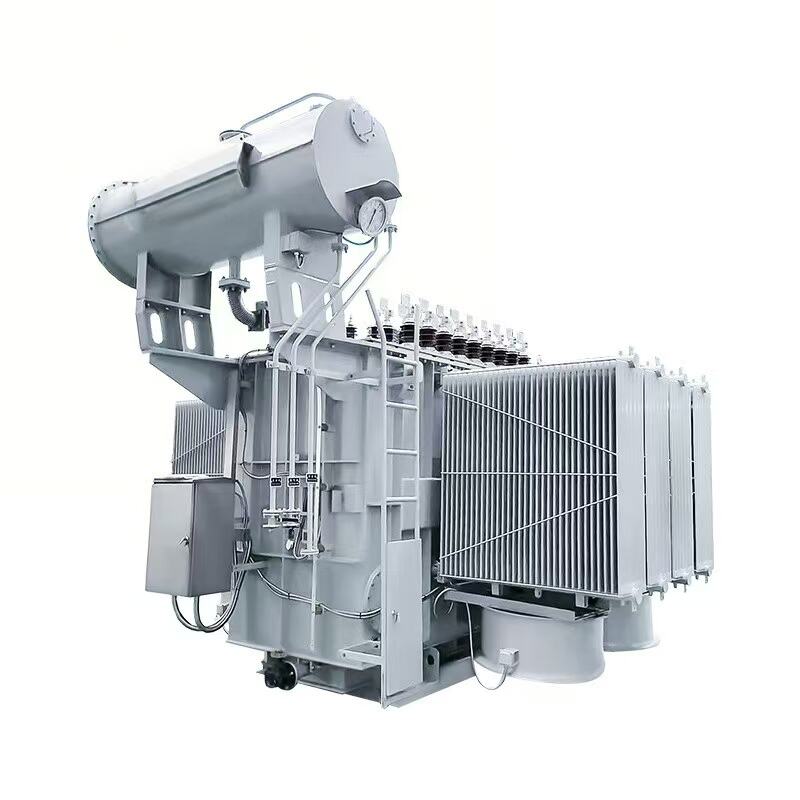
Փոխակերպիչների ընտրության և հզորության բաշխման արդյունավետության միջև եղած կապը գերազանցում է պարզ լարման փոխակերպման սահմանները և ներառում է բեռնվածության բնութագրերը, շրջակա միջավայրի պայմանները և շահագործման պահանջները: Տարբեր փոխակերպիչների տեխնոլոգիաները տարբեր առավելություններ են ապահովում կոնկրետ կիրառումների համար՝ սկսած սրտի կորուստները նվազեցնող բարձր արդյունավետությամբ բաշխման փոխակերպիչներից մինչև հատուկ նախագծված մոդելներ, որոնք օպտիմալ կատարում են տարբեր բեռնվածության պայմաններում: Փոխակերպիչների հնարավորությունների և կիրառումների այս համապարփակ հասկացությունը հիմք է հանդիսանում ավելի արդյունավետ հզորության բաշխման համակարգերի ստեղծման համար:
Փոխակերպիչների արդյունավետության բարելավման հիմնարար մեխանիզմներ
Էլեկտրամագնիսական ինդուկցիայի օպտիմալացում
Տրանսֆորմատորները բարելավում են հզորության բաշխման արդյունավետությունը՝ օպտիմալացված էլեկտրամագնիսական ինդուկցիայի գործընթացների միջոցով, որոնք նվազեցնում են լարման փոխակերպման ժամանակ էներգիայի կորուստները: Ժամանակակից տրանսֆորմատորների նախագծում օգտագործվում են առաջադեմ սրտի նյութեր, ինչպես օրինակ՝ հատուկ կառուցված սիլիցիումային երկաթը և ամորֆ մետաղային սրտերը, որոնք զգալիորեն նվազեցնում են հիստերեզիսի և թափանցող հոսանքների կորուստները՝ համեմատած սովորական նյութերի հետ: Այս նյութերը հնարավորություն են տալիս տրանսֆորմատորներին հասնել 98 %-ից ավելի արդյունավետության ցուցանիշների՝ օպտիմալ շահագործման պայմաններում, ինչը սարքավորումների աշխատանքային ժամանակահատվածում ապահովում է էներգիայի զգալի խնայողություն:
Պտտվող մասի կառուցվածքը և հաղորդիչների նյութերը նույնպես կարևոր դեր են խաղում էֆեկտիվության օպտիմալացման գործում: Բարձր հաղորդականությամբ պղնձե կամ ալյումինե պտույտները՝ օպտիմալացված լայնական հատույթի մակերեսներով, նվազեցնում են I²R կորուստները, իսկ առաջադեմ մեկուսացման համակարգերը թույլ են տալիս ավելի լավ ջերմության արտածում: Առաջադեմ տրանսֆորմատորների նախագծում օգտագործվում են ցածր կորուստներ ունեցող պտույտների տեխնիկաներ, ինչպես օրինակ՝ շարունակական փոխադրվող հաղորդիչները և օպտիմալացված պտույտների դասավորությունը, որոնք լրացուցիչ բարձրացնում են ընդհանուր էֆեկտիվությունը՝ նվազեցնելով շրջանային հոսանքները և տաք կետերը:
Բեռնվածության կառավարում և լարման կարգավորում
Արդյունավետ հզորության բաշխումը պահանջում է ճշգրիտ լարման կարգավորում տարբեր բեռնվածության պայմաններում, ինչը տրանսֆորմատորները իրականացնում են բարդ մակարդակային փոփոխման մեխանիզմների և բեռնվածության կառավարման հնարավորությունների միջոցով: Բեռնվածության տակ աշխատող մակարդակային փոփոխիչները ինքնաշխատ կերպով հարմարեցնում են տրանսֆորմատորների հարաբերությունները՝ պահպանելու օպտիմալ լարման մակարդակները, որպեսզի ստորին շղթայի սարքավորումները աշխատեն նախատեսված արդյունավետության սահմաններում: Այս դինամիկ լարման կարգավորումը կանխում է էներգիայի վատնումը առաջացնող գերլարումները և սարքավորումների չափից շատ հոսանք վերցնելուն ստիպող ցածր լարումները:
Հսկողության և կառավարման համակարգերով ապահովված ինտելեկտուալ տրանսֆորմատորները ապահովում են իրական ժամանակում բեռնվածության գնահատում և կանխատեսող օպտիմալացում: Այս համակարգերը վերլուծում են բեռնվածության օրինակները, շրջակա միջավայրի պայմանները և շահագործման պարամետրերը՝ անընդհատ օպտիմալացնելու տրանսֆորմատորների աշխատանքը: Տրանսֆորմատորների հզորությունը համապատասխանեցնելով իրական բեռնվածության պահանջներին և համապատասխանաբար հարմարեցնելով շահագործման պարամետրերը՝ այս ինտելեկտուալ համակարգերը մաքսիմալացնում են արդյունավետությունը՝ միաժամանակ կանխելով գերբեռնվածությունը և երկարեցնելով սարքավորումների ծառայության ժամկետը:
Բաշխման տրանսֆորմատորների տեսակներ և դրանց էֆեկտիվության կիրառումը
Հեղուկով լցված բաշխման տրանսֆորմատորներ
Հեղուկով լցված բաշխում տրանսֆորմատորները գերազանցում են բարձր հզորության կիրառումներում, որտեղ գերակայություն են վայելում գերազանց սառեցման և էֆեկտիվության պահանջները: Այս սարքերը օգտագործում են միներալային յուղ կամ կենսաքայքայվող հեղուկներ մեկուսացման և սառեցման համար, ինչը հնարավորություն է տալիս ստանալ բարձր հզորության խտություն և լավացված ջերմային կառավարում՝ չոր տիպի տրանսֆորմատորների համեմատությամբ: Հեղուկային սառեցման համակարգը թույլ է տալիս ստեղծել ավելի կոմպակտ դիզայն, միաժամանակ պահպանելով ցածր շահագործման ջերմաստիճաններ, ինչը ուղղակիորեն կապված է կորուստների նվազեցման և մեկուսացման երկարատև կյանքի հետ:
Առաջադեմ հեղուկով լցված տրանսֆորմատորները ներառում են կնքված տանկերի դիզայն՝ ազոտային ծածկույթով կամ պահպանման համակարգերով, որոնք կանխում են խոնավության ներթափանցումը և օքսիդացումը: Այս հատկանիշները երկար ժամանակ պահպանում են դիէլեկտրիկ հատկությունների օպտիմալ մակարդակը, ապահովելով տրանսֆորմատորի ամբողջ կյանքի ընթացքում հաստատուն էֆեկտիվություն: Հեղուկով լցված միավորների գերազանց սառեցման հնարավորությունները դրանք հատկապես արդյունավետ են դարձնում բարձր բեռնվածության գործակից ունեցող կամ դժվար շրջակա միջավայրի պայմաններում գործարկվող կիրառումների համար:
Չոր տիպի բաշխման տրանսֆորմատորներ
Չորային տիպի տրանսֆորմատորները առաջարկում են էներգախնայողության առավելություններ ներքին կիրառումներում, որտեղ կրակի անվտանգությունը, շրջակա միջավայրի վերաբերյալ հարցերը և սպասարկման հասանելիությունը առաջնային են: Լիցքավորված ստվարաթղթի և վակուումային ճնշմամբ ներծծված դիզայները առաջարկում են հիասքանչ էլեկտրական և ջերմային բնութագրեր՝ վերացնելով հեղուկով լցված միավորների հետ կապված շրջակա միջավայրի և անվտանգության վերաբերյալ հարցերը: Ժամանակակից չորային տիպի տրանսֆորմատորները հասնում են հեղուկով լցված տարբերակներին համարժեք էներգախնայողության մակարդակի՝ միաժամանակ ապահովելով ավելի հեշտ տեղադրում և նվազեցված սպասարկման պահանջներ:
Չորային տիպի տրանսֆորմատորների էներգախնայողության առավելությունները տարածվում են նաև դրանց շահագործման ճկունության և շրջակա միջավայրի նկատմամբ դիմացկունության վրա: Այս միավորները կարող են արդյունավետ աշխատել դժվարին միջավայրերում՝ առանց հեղուկի հատակի կամ աղտոտման ռիսկի, ինչը դրանք դարձնում է իդեալական այն օբյեկտների համար, որտեղ ստույց են տրվում շրջակա միջավայրի վերաբերյալ խիստ ստանդարտներ: Զարգացած օդափոխման և պաշտպանիչ կառուցվածքների դիզայները օպտիմալացնում են սառեցման օդի հոսքը՝ ապահովելով արդյունավետ ջերմության արտածում նույնիսկ դժվարին շրջակա միջավայրային պայմաններում:
Հատուկ մշակված տրանսֆորմատորային տեխնոլոգիաներ բարձրացված էֆեկտիվության համար
Բարձր էֆեկտիվությամբ բաշխման տրանսֆորմատորներ
Բարձր էֆեկտիվությամբ բաշխման տրանսֆորմատորները օգտագործում են առաջադեմ նյութեր և նախագծման տեխնիկա, որոնք հատուկ օպտիմալացված են էներգիայի կորուստների նվազագույնացման համար: Ամորֆ մետաղե սրտիկով տրանսֆորմատորները անվարժ կորուստները նվազեցնում են մինչև 70 % համեմատած սովորական սիլիցիումային երկաթե սրտիկների հետ, ինչը նշանակալի էֆեկտիվության բարելավում է ապահովում հատկապես թեթև բեռնվածության դեպքում: Այս տրանսֆորմատորները օգտագործում են ամորֆ ժապավենային փաթաթված սրտիկներ, որոնք իրենց եզակի ատոմային կառուցվածքի շնորհիվ նվազեցնում են մագնիսացման կորուստները:
Փոքր կորուստներով մագնիսավորվող շրջանակների դիզայնը լրացնում է առաջադեմ սրտի նյութերը՝ ապահովելով ընդհանուր արդյունավետության մաքսիմալացումը: Սուպերհաղորդիչ տրանսֆորմատորները, չնայած դեռևս մշակման փուլում են, հնարավորություն են տալիս մոտավորապես զրո դիմադրության կորուստների և արտակարգ բարձր արդյունավետության ցուցանիշների համար: Նույնիսկ սովորական բարձր արդյունավետությամբ տրանսֆորմատորները, որոնք ներառում են օպտիմալացված մագնիսավորվող շրջանակների կառուցվածք և բարձրորակ նյութեր, ապահովում են 99 %-ից բարձր արդյունավետություն նոմինալ պայմաններում՝ ապահովելով կարևոր էներգիայի խնայողություն ավանդական դիզայնների համեմատ:
Ինտելեկտուալ ցանցին համատեղելի տրանսֆորմատորներ
Իմաստուն ցանցին համատեղելի տրանսֆորմատորները ներառում են մոնիտորինգի, կապի և կառավարման հնարավորություններ, որոնք թույլ են տալիս դինամիկորեն օպտիմալացնել բաշխման արդյունավետությունը: Այս իմաստուն սարքերը իրական ժամանակում տվյալներ են տրամադրում բեռնվածության, ջերմաստիճանի և շահագործման պարամետրերի վերաբերյալ, ինչը հնարավորություն է տալիս կատարել կանխատեսող սպասարկում և օպտիմալացնել շահագործումը: Հեռավար մոնիտորինգի հնարավորությունները թույլ են տալիս էներգետիկ ընկերություններին և շենքերի շահագործողներին արագ հայտնաբերել անարդյունավետությունները և իրականացնել ուղղող միջոցառումներ՝ մինչև էներգիայի զգալի կորուստը տեղի ունենա:
Իմաստուն տրանսֆորմատորների առաջադեմ հզորության որակի հատկանիշները օգնում են պահպանել համակարգի օպտիմալ արդյունավետությունը՝ կառավարելով հարմոնիկները, լարման տատանումները և բեռնվածության անհավասարակշռությունները: Ներառված լարման կարգավորման և հզորության գործակցի ճշգրտման հնարավորությունները ապահովում են, որ ամբողջ բաշխման համակարգը աշխատի օպտիմալ արդյունավետության պարամետրերի սահմաններում: Այս տրանսֆորմատորները կարող են նաև մասնակցել պահանջարկի արձագանքի ծրագրերին՝ ինքնատիպ հարմարեցնելով իրենց աշխատանքը՝ աջակցելով ցանցի կայունության և արդյունավետության նպատակներին:
Բեռնվածության բնութագրերը և օպտիմալ էֆեկտիվության համար տրանսֆորմատորի ընտրությունը
Տրանսֆորմատորի հզորության համապատասխանեցումը բեռնվածության պրոֆիլներին
Արդյունավետ էլեկտրամատակարարումը պահանջում է տրանսֆորմատորի հզորության մշակված համապատասխանեցումը իրական բեռնվածության բնութագրերին՝ կորուստները նվազագույնի հասցնելու և արդյունքները օպտիմալացնելու նպատակով: Չափազանց մեծ տրանսֆորմատորները աշխատում են ցածր բեռնվածության գործակցով, որտեղ էֆեկտիվությունը սովորաբար նվազում է, իսկ չափազանց փոքր միավորները կարող են ենթարկվել գերբեռնվածության, ինչը մեծացնում է կորուստները և նվազեցնում սարքավորման ծառայության ժամկետը: Ճիշտ տրանսֆորմատորի չափսերի ընտրությունը հաշվի է առնում ոչ միայն գագաթնային բեռնվածության պահանջները, այլև բեռնվածության տևողության կորիցները և ապագայի ընդլայնման պլանները:
Բեռնման գործակցի վերլուծությունը ցույց է տալիս, թե ինչպես է փոխվում տրանսֆորմատորի հզորությունը բեռնման պայմանների փոփոխման հետ մեկտեղ, ինչը հնարավորություն է տալիս ընտրել օպտիմալ հզորության կորերով սարքեր կոնկրետ կիրառումների համար: Ժամանակակից տրանսֆորմատորները նախագծվում են այնպես, որ դրանց հզորության կորերը մնան համեմատաբար հարթ լայն բեռնման շրջանակում, ապահովելով լավ աշխատանքային ցուցանիշներ տարբեր պայմաններում: Այս հատկանիշը հատկապես կարևոր է այն կիրառումներում, որտեղ բեռնումը զգալիորեն տատանվում է, օրինակ՝ առևտրային շենքերում կամ սեղանային մշակման գործընթացներ իրականացնող արդյունաբերական ձեռնարկություններում:
Հարմոնիկ հաշվառումներ և հզորության ազդեցությունը
Ոչ գծային բեռնվածությունների կողմից առաջացված հարմոնիկ հոսանքները կտրուկ ազդում են տրանսֆորմատորի էֆեկտիվության վրա և պետք է հաշվի առնվեն տրանսֆորմատորի ընտրության և կիրառման ժամանակ: K-գործակցով վարկանշված տրանսֆորմատորները հատուկ նախագծված են հարմոնիկ հոսանքների հետ առանց հզորության նվազեցման աշխատելու համար՝ պահպանելով էֆեկտիվությունը ոչ սինուսոիդալ բեռնվածության պայմաններում: Այս մասնագիտացված տրանսֆորմատորները ներառում են բարելավված սառեցման համակարգ և փոփոխված փաթաթման կոնֆիգուրացիաներ, որոնք հաշվի են առնում հարմոնիկ տաքացման ազդեցությունը:
Հարմոնիկ վերացման ռազմավարությունները, ինչպես օրինակ՝ փուլային շեղման տրանսֆորմատորները և ինտեգրված ֆիլտրավորման համակարգերը, կարող են բարելավել համակարգի ընդհանուր էֆեկտիվությունը՝ նվազեցնելով շրջանային հոսանքները և նվազեցնելով կորուստները: Բեռնվածության հարմոնիկ բովանդակության հասկանալը թույլ է տալիս ճիշտ ընտրել և կիրառել տրանսֆորմատորը՝ ապահովելով օպտիմալ էֆեկտիվությունը իրական շահագործման պայմաններում: Հարմոնիկների վերահսկման հնարավորություններ ունեցող առաջադեմ տրանսֆորմատորները ապահովում են իրական ժամանակում հզորության որակի ազդեցության գնահատումը էֆեկտիվության ցուցանիշների վրա:
Շրջակա միջավայրի և տեղադրման գործոնները, որոնք ազդում են տրանսֆորմատորի էֆեկտիվության վրա
Ջերմաստիճանի կառավարում և սառեցման համակարգեր
Շրջակա միջավայրի ջերմաստիճանը և սառեցման արդյունավետությունը ուղղակիորեն ազդում են տրանսֆորմատորի էֆեկտիվության վրա, քանի որ բարձրացած ջերմաստիճանները մեծացնում են դիմադրության կորուստները և կրճատում են մեկուսացման ծառայության ժամկետը: Պատշաճ տեղադրումը՝ բավարար օդափոխության միջակայքերով, ապահովում է օպտիմալ ջերմության рассеяниеն և պահպանում է նախագծված էֆեկտիվության մակարդակները: Բարձր շրջակա ջերմաստիճանի պայմաններում կամ բնական կոնվեկցիայի սահմանափակ հնարավորություն ունեցող կիրառումներում ստիպված օդի սառեցման համակարգերը կարող են կտրուկ բարելավել տրանսֆորմատորի հզորությունն ու էֆեկտիվությունը:
Առաջադեմ սառեցման տեխնոլոգիաներ, այդ թվում՝ ուղղված յուղի հոսքը և բարելավված ռադիատորների դիզայնը, մաքսիմալացնում են ջերմափոխանակման արդյունավետությունը և պահպանում են ցածր շահագործման ջերմաստիճաններ: Ջերմաստիճանի մոնիտորինգի համակարգերը վաղ նախազգուշացում են տրամադրում սառեցման խնդիրների մասին, որոնք կարող են ազդել արդյունավետության ցուցանիշների վրա: Տրանսֆորմատորի ճիշտ տեղադրման ժամանակ հաշվի են առնվում շրջակա միջավայրի գործոններ, ինչպես օրինակ՝ բարձրությունը ծովի մակարդակից, շրջակա միջավայրի ջերմաստիճանի տատանումները և օդի որակը, որպեսզի ապահովվի բարձր արդյունավետությամբ երկարատև շահագործում:
Ստորագրությունների ամենալավ պահանջները առավելագույն արդյունավետության համար
Տրանսֆորմատորի ճիշտ տեղադրման մեթոդները կարևոր ազդեցություն են ունենում երկարատև արդյունավետության և շահագործման հավաստիության վրա: Սառեցման օդի շրջանառության համար բավարար տարածքի ապահովումը, շրջակա միջավայրի աղտոտիչ նյութերից պաշտպանությունը և ճիշտ հողավորումը բոլորը նպաստում են առավելագույն արդյունավետությամբ շահագործմանը: Տեղադրման հավելանյութեր, ինչպես օրինակ՝ լարման սահմանափակիչները և լարման կարգավորիչները, օգնում են պահպանել կայուն շահագործման պայմաններ, որոնք ապահովում են առավելագույն արդյունավետություն:
Պատկերացված սպասարկման գրաֆիկները և հսկման ծրագրերը ապահովում են, որ տրանսֆորմատորները ծառայության ամբողջ ժամանակահատվածում շարունակեն աշխատել նախագծային էֆեկտիվության մակարդակներով: Ձեթի փորձարկումը, ջերմային սկանավորումը և էլեկտրական փորձարկումները հնարավորություն են տալիս նույնիսկ առաջին հայտարարումների փուլում հայտնաբերել հնարավոր խնդիրներ, մինչև դրանք ազդեն էֆեկտիվության ցուցանիշների վրա: Կանխարգելիչ սպասարկման մոտեցումները մաքսիմալացնում են տրանսֆորմատորների էֆեկտիվությունը՝ միաժամանակ երկարելով սարքավորումների ծառայության ժամկետը և նվազեցնելով սեփականատիրոջ ընդհանուր ծախսերը:
Հաճախադեպ տրվող հարցեր
Ի՞նչ էֆեկտիվության մակարդակների վրա կարելի է հաշվել տարբեր կիրառումների համար:
Ժամանակակից բաշխման տրանսֆորմատորները սովորաբար ձեռք են բերում 97–99,5 % էֆեկտիվության մակարդակներ, կախված տեխնոլոգիայից և կիրառումից: Հեղուկով լցված տրանսֆորմատորները սովորաբար ավելի բարձր էֆեկտիվություն են ցուցաբերում, քան չոր տիպի միավորները, հատկապես մեծ հզորության դեպքում: Առաջադեմ սրտի նյութերի օգտագործմամբ ստեղծված բարձր էֆեկտիվության դիզայնները օպտիմալ պայմաններում կարող են գերազանցել 99 % էֆեկտիվության մակարդակը:
Ինչպե՞ս են տարբեր տիպի տրանսֆորմատորները համեմատվում շահագործման էֆեկտիվության տեսանկյունից:
Ամորֆ սրտանցքով տրանսֆորմատորները ապահովում են ամենացածր անբեռնված կորուստները, ինչը դրանք դարձնում է իդեալական թեթև բեռնվածության կիրառումների համար: Սովորական սիլիցիումային պողպատե սրտանցքով տրանսֆորմատորները ապահովում են հիասքանչ էֆեկտիվություն միջին ծախսերով, իսկ սուպերհաղորդիչ տրանսֆորմատորները՝ ամենաբարձր տեսական էֆեկտիվությունը՝ բարձր գներով: Ընտրությունը կախված է բեռնվածության բնութագրերից, տնտեսական գործոններից և կիրառման պահանջներից:
Ի՞նչ գործոններն են ամենաշատը ազդում տրանսֆորմատորի էֆեկտիվության վրա իրական կիրառումներում:
Բեռնվածության գործակիցը, շրջակա միջավայրի ջերմաստիճանը, հզորության որակը և սպասարկման պրակտիկան ամենաշատը ազդում են տրանսֆորմատորի էֆեկտիվության վրա: Տրանսֆորմատորների 50–80 % նոմինալ հզորության սահմաններում շահագործումը սովորաբար ապահովում է օպտիմալ էֆեկտիվություն, իսկ հարմոնիկ հոսանքները և բարձրացված ջերմաստիճանները կարող են էապես նվազեցնել էֆեկտիվության ցուցանիշները:
Ինչպե՞ս կարելի է օպտիմալացնել տրանսֆորմատորի էֆեկտիվությունը գոյություն ունեցող բաշխման համակարգում:
Բեռնաթափման հավասարակշռումը, հզորության գործակցի ճշգրտումը, հարմոնիկների վերացումը և ճիշտ սպասարկումը հիմնարար միջոցառումներ են գոյություն ունեցող տրանսֆորմատորների էֆեկտիվությունը օպտիմալացնելու համար: Հսկման համակարգերի տեղադրումը հնարավորություն է տալիս նույնացնել էֆեկտիվության բարելավման հնարավորությունները, իսկ պլանային փոխարինման ժամանակ բարձր էֆեկտիվությամբ միավորների տեղադրումը երկարաժամկետ առավելություններ է ապահովում:
Table of Contents
- Փոխակերպիչների արդյունավետության բարելավման հիմնարար մեխանիզմներ
- Բաշխման տրանսֆորմատորների տեսակներ և դրանց էֆեկտիվության կիրառումը
- Հատուկ մշակված տրանսֆորմատորային տեխնոլոգիաներ բարձրացված էֆեկտիվության համար
- Բեռնվածության բնութագրերը և օպտիմալ էֆեկտիվության համար տրանսֆորմատորի ընտրությունը
- Շրջակա միջավայրի և տեղադրման գործոնները, որոնք ազդում են տրանսֆորմատորի էֆեկտիվության վրա
-
Հաճախադեպ տրվող հարցեր
- Ի՞նչ էֆեկտիվության մակարդակների վրա կարելի է հաշվել տարբեր կիրառումների համար:
- Ինչպե՞ս են տարբեր տիպի տրանսֆորմատորները համեմատվում շահագործման էֆեկտիվության տեսանկյունից:
- Ի՞նչ գործոններն են ամենաշատը ազդում տրանսֆորմատորի էֆեկտիվության վրա իրական կիրառումներում:
- Ինչպե՞ս կարելի է օպտիմալացնել տրանսֆորմատորի էֆեկտիվությունը գոյություն ունեցող բաշխման համակարգում:
