 EN
EN

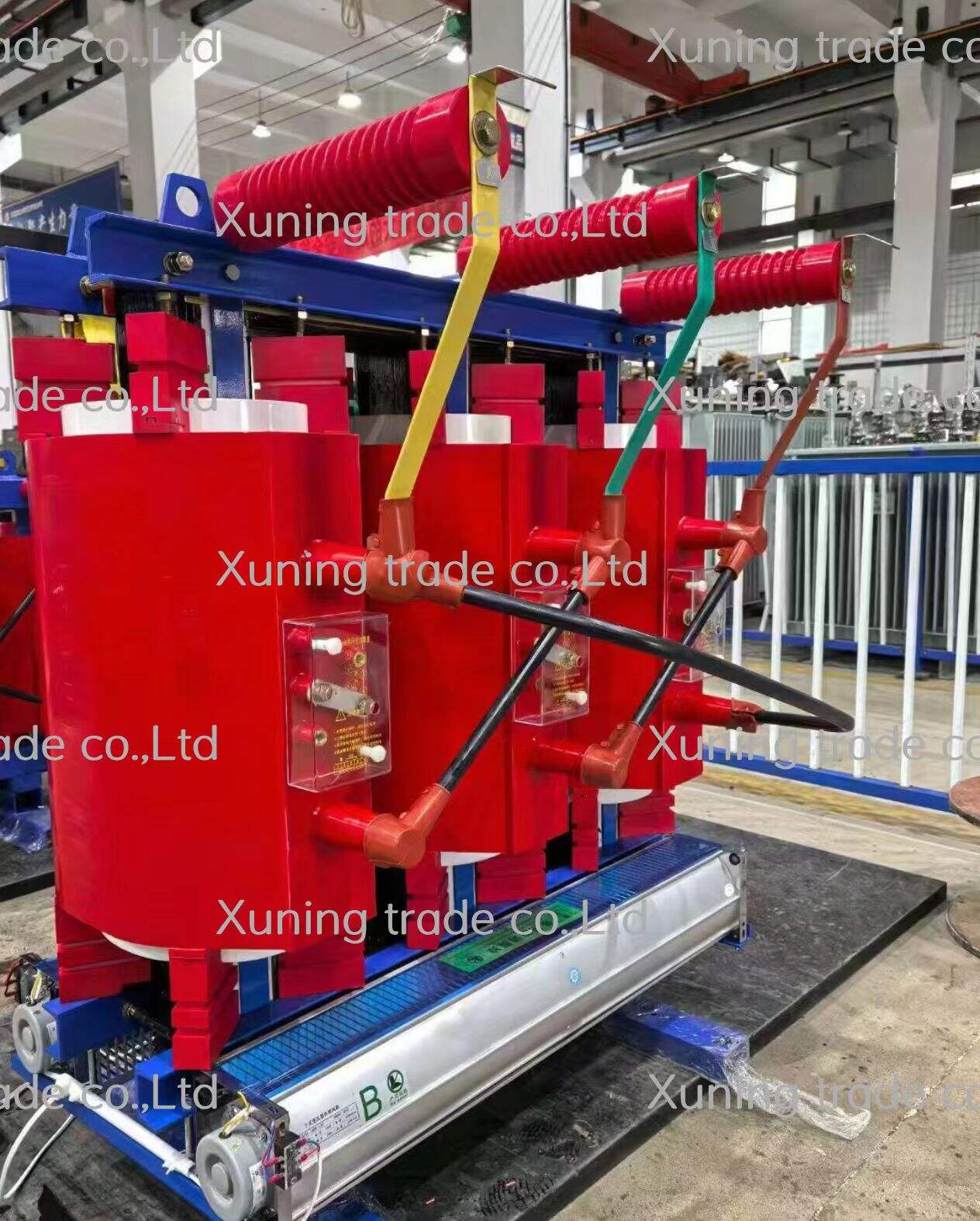
A solar transformer serves as the critical bridge between photovoltaic arrays and electrical distribution networks, enabling the seamless integration of renewable energy into existing power infrastructure. This specialized electrical equipment performs voltage conversion, isolation, and power conditioning functions that are essential for safe and efficient solar energy utilization. Understanding the operational mechanics and support functions of a solar transformer reveals how these devices form the backbone of modern renewable energy systems.
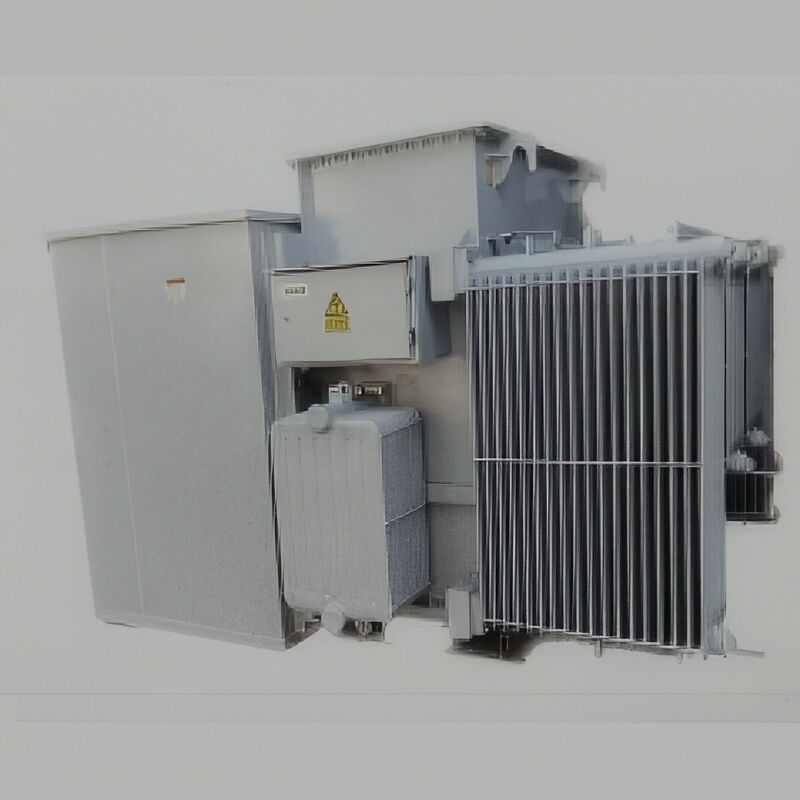
The fundamental role of a solar transformer extends beyond simple voltage conversion to encompass grid synchronization, power quality management, and system protection. These transformers must handle the variable nature of solar energy production while maintaining stable electrical characteristics that meet utility grid requirements. The design specifications and operational parameters of solar transformers directly influence the overall performance, efficiency, and reliability of renewable energy installations across residential, commercial, and utility-scale applications.
Core Operational Mechanisms of Solar Transformers
Voltage Conversion and Step-Up Functions
The primary mechanism through which a solar transformer supports renewable energy systems involves voltage transformation from low-voltage DC output of solar panels to high-voltage AC suitable for grid connection. Solar inverters first convert DC power to AC, but the voltage levels typically range from 208V to 480V, which requires further step-up transformation for efficient transmission and distribution. The solar transformer increases these voltages to medium or high voltage levels, commonly 12.47kV, 13.8kV, or higher, depending on the interconnection requirements.
This voltage conversion process operates through electromagnetic induction principles, where the transformer's primary winding receives AC power from the inverter system and induces proportionally higher voltage in the secondary winding. The turns ratio between primary and secondary windings determines the exact voltage transformation ratio, which must be precisely calculated to match grid voltage requirements. The efficiency of this conversion process directly impacts the overall energy yield from solar installations, making transformer design optimization crucial for maximum renewable energy utilization.
Advanced solar transformer designs incorporate tap-changing mechanisms that allow voltage adjustment under varying load conditions and solar irradiance levels. These tap changers enable the transformer to maintain optimal voltage ratios throughout different operating scenarios, ensuring consistent power quality and grid compatibility. The voltage regulation capability of a solar transformer becomes particularly important in large-scale solar farms where power output fluctuations can significantly impact grid stability.
Isolation and Protection Functions
Electrical isolation represents another fundamental mechanism through which solar transformers support renewable energy systems by providing galvanic separation between the solar generation equipment and the utility grid. This isolation prevents direct electrical connection while allowing power transfer through magnetic coupling, which protects both the solar equipment and grid infrastructure from electrical faults, surges, and harmonics. The isolation barrier also enables different grounding systems on the primary and secondary sides, accommodating various electrical safety requirements.
The protective functions of a solar transformer extend to fault current limitation and arc flash protection, which are essential for personnel safety and equipment protection in renewable energy installations. When electrical faults occur on either the generation side or grid side, the transformer's impedance characteristics limit fault current magnitude and duration. This current limitation reduces the risk of equipment damage and provides time for protective relay systems to isolate faulty sections.
Modern solar transformers integrate advanced protection schemes including differential protection, overcurrent protection, and ground fault detection that continuously monitor electrical parameters and automatically disconnect the transformer when abnormal conditions are detected. These protection systems work in coordination with solar inverter protection and utility grid protection to create multiple layers of safety that ensure reliable operation of renewable energy systems under various fault conditions.
Grid Integration and Synchronization Support
Power Quality Management
Solar transformers play a crucial role in managing power quality characteristics that enable smooth integration of renewable energy into electrical grids. The variable nature of solar energy production creates challenges related to voltage fluctuations, frequency variations, and harmonic distortion that must be addressed for grid compatibility. Solar transformers incorporate design features such as optimized core materials, winding configurations, and cooling systems that minimize losses and maintain stable electrical characteristics under varying load conditions.
Harmonic filtering capabilities built into solar transformer designs help mitigate the harmonic distortion typically generated by solar inverters and other power electronic equipment. The transformer's impedance characteristics act as a natural filter for certain harmonic frequencies, while additional filtering components can be integrated to address specific harmonic issues. This harmonic management ensures that the power injected into the grid meets utility power quality standards and does not interfere with other connected equipment.
Voltage regulation support provided by solar transformers helps maintain stable voltage levels at the point of interconnection despite fluctuations in solar power generation. Load tap changers and voltage regulation equipment work in conjunction with the solar transformer to automatically adjust voltage levels based on real-time grid conditions and solar output variations. This voltage support capability becomes increasingly important as renewable energy penetration levels increase in electrical distribution systems.
Grid Synchronization and Interconnection
The synchronization support provided by solar transformers enables renewable energy systems to operate in parallel with utility grids while maintaining phase, frequency, and voltage alignment. Solar transformers facilitate this synchronization process by providing the electrical interface that allows precise control of power flow direction and magnitude. The transformer's electrical characteristics, including impedance and reactance values, influence the synchronization dynamics and grid stability during interconnection operations.
Anti-islanding protection integrated with solar transformer systems ensures that renewable energy sources automatically disconnect from the grid during utility outages, preventing dangerous islanding conditions. This protection function monitors grid voltage and frequency parameters continuously and triggers disconnection when grid disturbances are detected. The solar transformer provides the electrical isolation necessary for safe and reliable anti-islanding protection operation.
Bidirectional power flow capability supported by modern solar transformers accommodates the changing dynamics of electrical grids with high renewable energy penetration. These transformers can efficiently handle power flow from the solar installation to the grid during peak generation periods and reverse power flow during low generation or high local demand periods. This bidirectional capability supports grid flexibility and enables advanced grid management strategies such as demand response and energy storage integration.
System Efficiency and Performance Optimization
Loss Minimization and Energy Yield Optimization
Energy efficiency optimization represents a primary way that solar transformers support renewable energy systems by minimizing power losses during the voltage transformation process. High-efficiency solar transformers utilize advanced core materials, optimized winding designs, and improved cooling systems that reduce no-load losses, load losses, and auxiliary power consumption. These efficiency improvements directly translate to increased energy yield from solar installations, making renewable energy more economically viable.
No-load loss minimization in solar transformers becomes particularly important because these transformers often operate continuously, even during periods of low or no solar generation. Advanced core steel grades and optimized core geometry reduce hysteresis and eddy current losses that occur regardless of load level. Some solar transformer designs incorporate core switching or variable permeability materials that further reduce no-load losses during off-peak periods.
Load loss optimization focuses on reducing resistance losses in transformer windings during power transfer operations. High-conductivity materials, optimized conductor geometry, and advanced winding techniques minimize these losses across the full range of operating conditions. The efficiency curve of a solar transformer must be optimized for the typical load profile of renewable energy systems, which differs significantly from conventional transformer applications due to the variable nature of solar generation.
Thermal Management and Reliability Enhancement
Thermal management capabilities of solar transformers directly support renewable energy system reliability by maintaining optimal operating temperatures under varying environmental conditions and load cycles. Solar installations often experience significant temperature variations due to outdoor installation and solar irradiance patterns, requiring transformer cooling systems that can adapt to these changing conditions. Advanced cooling technologies including forced air, oil circulation, and hybrid cooling systems ensure stable transformer operation across all operating scenarios.
Hot spot temperature monitoring and management prevents localized overheating that could reduce transformer life or cause failures in renewable energy systems. Solar transformers incorporate temperature monitoring systems that track winding temperatures, oil temperatures, and ambient conditions to optimize cooling system operation and provide early warning of thermal issues. This thermal management directly impacts the long-term reliability and maintenance requirements of renewable energy installations.
Environmental protection features integrated into solar transformer designs ensure reliable operation in outdoor renewable energy installations where exposure to weather, UV radiation, and temperature extremes presents ongoing challenges. Specialized enclosures, corrosion-resistant materials, and environmental sealing systems protect internal components while maintaining accessibility for maintenance and monitoring activities. These protection features extend transformer service life and reduce maintenance costs in renewable energy applications.
Integration with Energy Storage and Smart Grid Systems
Energy Storage System Compatibility
Solar transformers support renewable energy systems by enabling seamless integration with battery energy storage systems that provide grid stability, peak shaving, and backup power capabilities. The transformer's bidirectional power handling capability accommodates both charging and discharging operations of battery systems while maintaining power quality and grid compatibility. This integration capability becomes increasingly important as energy storage deployment accelerates to support renewable energy grid integration.
Power conditioning support provided by solar transformers enables efficient energy transfer between solar generation, battery storage, and grid interconnection points. The transformer's voltage conversion and isolation functions work in coordination with power conditioning systems to optimize energy storage charging efficiency and ensure compatibility between different voltage levels used in solar generation and battery systems. This coordination maximizes the overall system efficiency and energy utilization.
Advanced control integration capabilities allow solar transformers to work with energy management systems that optimize the coordination between solar generation, energy storage, and grid interconnection. Smart monitoring and control features enable real-time optimization of power flows, load balancing, and grid support functions that enhance the value and reliability of renewable energy systems. These capabilities support advanced applications such as virtual power plants and grid services provision.
Smart Grid Communication and Control
Communication interface capabilities built into modern solar transformers enable integration with smart grid systems that provide advanced monitoring, control, and optimization capabilities for renewable energy installations. These interfaces support protocols such as DNP3, IEC 61850, and Modbus that enable remote monitoring of transformer performance, real-time load management, and coordinated control with other grid assets. This connectivity enables utilities and system operators to optimize renewable energy integration at the grid level.
Real-time data acquisition and reporting capabilities of smart solar transformers provide valuable insights into renewable energy system performance, grid conditions, and optimization opportunities. Sensors integrated into the transformer monitor electrical parameters, thermal conditions, and operational status continuously, transmitting this data to control centers and energy management systems. This data enables predictive maintenance, performance optimization, and grid planning activities that support large-scale renewable energy deployment.
Grid services provision through solar transformers enables renewable energy systems to provide ancillary services such as voltage support, frequency regulation, and reactive power compensation that enhance grid stability and reliability. The transformer's electrical characteristics and control capabilities enable participation in these grid services markets, creating additional revenue opportunities for renewable energy projects while supporting overall grid reliability. This capability becomes increasingly valuable as renewable energy penetration levels continue to increase.
FAQ
What voltage levels do solar transformers typically handle in renewable energy systems?
Solar transformers typically step up voltage from inverter output levels of 208V to 480V up to distribution voltages of 12.47kV, 13.8kV, or 25kV, depending on the scale of the installation and grid interconnection requirements. Utility-scale solar projects may require transformation to even higher voltage levels for transmission line connection.
How do solar transformers differ from conventional distribution transformers?
Solar transformers are specifically designed to handle the variable power output characteristic of renewable energy systems, incorporate enhanced protection features for outdoor installation, and often include bidirectional power flow capability. They also feature optimized efficiency curves for the typical load profiles of solar installations and enhanced environmental protection for outdoor deployment.
Can solar transformers operate with other renewable energy sources besides photovoltaic systems?
Yes, solar transformers can support various renewable energy sources including wind power, small hydro, and hybrid renewable energy systems. The key requirement is compatibility with the electrical characteristics and operating profiles of the specific renewable energy technology, with appropriate voltage conversion, protection, and grid interconnection capabilities.
What maintenance requirements are typical for solar transformers in renewable energy applications?
Solar transformer maintenance typically includes periodic oil testing and replacement, cooling system inspection and cleaning, electrical connection tightening, protection system testing, and thermal imaging inspection. The outdoor installation environment of most renewable energy systems requires more frequent inspection of environmental sealing, corrosion protection, and cooling system performance compared to indoor transformer installations.
Table of Contents
- Core Operational Mechanisms of Solar Transformers
- Grid Integration and Synchronization Support
- System Efficiency and Performance Optimization
- Integration with Energy Storage and Smart Grid Systems
-
FAQ
- What voltage levels do solar transformers typically handle in renewable energy systems?
- How do solar transformers differ from conventional distribution transformers?
- Can solar transformers operate with other renewable energy sources besides photovoltaic systems?
- What maintenance requirements are typical for solar transformers in renewable energy applications?
