 EN
EN

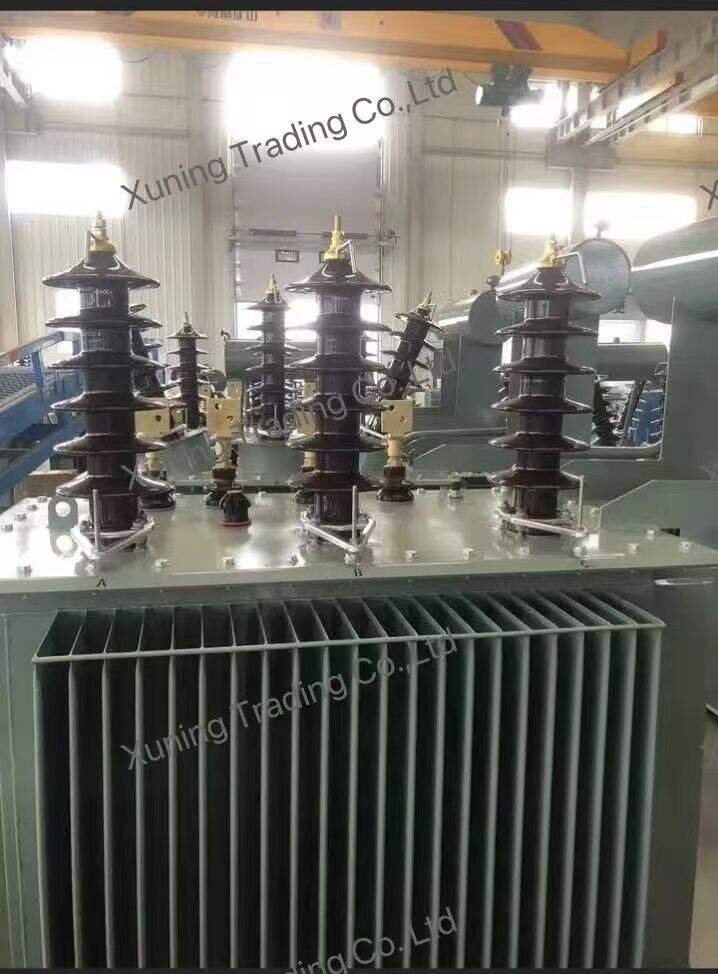
Power grid infrastructure relies on a complex network of electrical components to efficiently transmit and distribute electricity from generation sources to end users. Among these critical components, transformers serve as the backbone of electrical power systems, enabling voltage conversion and power transfer across vast networks. Understanding how transformers function within power grid infrastructure and recognizing the specific types used for different applications is essential for electrical engineers, utility professionals, and infrastructure planners working to maintain reliable power distribution systems.
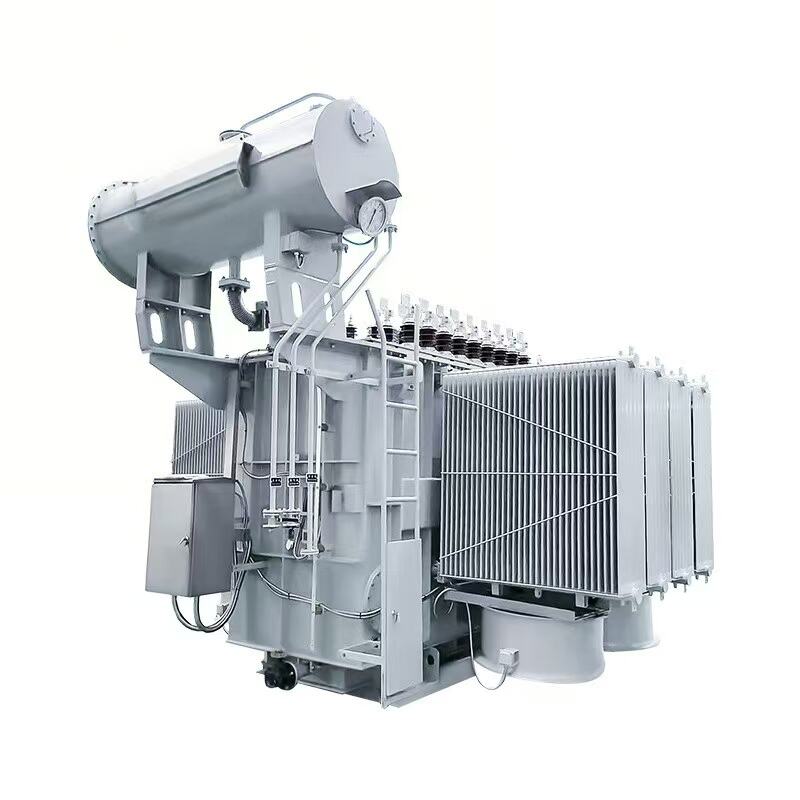
The application of transformers in power grid infrastructure involves sophisticated engineering considerations that directly impact system efficiency, reliability, and safety. Different transformer types are strategically deployed at various points throughout the grid to address specific voltage requirements, load demands, and operational conditions. From massive step-up transformers at power plants to distribution transformers serving residential neighborhoods, each transformer type plays a distinct role in ensuring electrical power reaches consumers at appropriate voltage levels and with minimal losses.
Core Functions of Transformers in Power Grid Operations
Voltage Level Management Throughout the Grid
Transformers perform the fundamental function of voltage transformation, enabling power grids to operate at multiple voltage levels simultaneously. This voltage management capability allows electrical power to be transmitted at high voltages for efficiency and then stepped down to safer, usable levels for distribution and consumption. The strategic placement of transformers throughout the grid creates distinct voltage zones, each optimized for specific transmission or distribution requirements.
High-voltage transmission systems typically operate at voltages ranging from 115 kV to 765 kV, requiring step-up transformers at generation facilities to boost voltage levels for long-distance transmission. These transformers minimize power losses during transmission by reducing current levels while maintaining power delivery capacity. At distribution substations, step-down transformers reduce transmission voltages to distribution levels, typically ranging from 4 kV to 35 kV, making electrical power suitable for local distribution networks.
Power Quality and System Stability
Beyond voltage transformation, transformers contribute significantly to power quality and grid stability through their electrical characteristics and operational behavior. The impedance characteristics of transformers help regulate current flow and provide fault current limiting capabilities that protect downstream equipment during electrical disturbances. This protective function is particularly important in maintaining system stability during switching operations, load changes, and fault conditions.
Transformers also provide electrical isolation between different sections of the power grid, preventing the propagation of electrical disturbances and allowing for more effective protective coordination. This isolation capability enables grid operators to maintain system stability even when portions of the network experience operational issues or require maintenance shutdowns. The magnetic coupling within transformers also helps filter certain types of electrical noise and harmonics, contributing to overall power quality improvement.
Transmission System Transformer Applications
Generation Step-Up Transformers
Generation step-up transformers represent the first critical application point where electrical power enters the transmission grid. These transformers are typically large, high-capacity units designed to handle the full output of power generation facilities. Located at power plants, these transformers boost generator output voltages from typical generation levels of 13.8 kV to 25 kV up to transmission levels of 115 kV or higher, depending on the specific transmission system requirements.
The design and specification of generation step-up transformers must account for the continuous high-power operation and the dynamic loading conditions associated with power plant operations. These transformers often incorporate advanced cooling systems, robust insulation systems, and sophisticated monitoring equipment to ensure reliable operation under demanding conditions. The failure of a generation step-up transformer can result in the complete loss of a generation unit, making reliability and maintenance considerations paramount in their application.
Transmission Interconnection Transformers
Transmission interconnection transformers enable the connection of different transmission systems operating at various voltage levels. These transformers facilitate power exchange between regional grids, utility systems, and different voltage networks, supporting grid reliability and economic power trading. Interconnection transformers must be designed to handle bidirectional power flow and varying load conditions as power markets and system conditions change.
The application of interconnection transformers requires careful consideration of system protection, voltage regulation, and power flow control. These transformers often include tap changers and voltage regulation equipment to maintain appropriate voltage levels across interconnected systems. The sizing and specification of interconnection transformers must account for both normal operating conditions and emergency power transfer scenarios, ensuring adequate capacity for reliable grid operations.
Distribution System Transformer Configurations
Distribution Substation Transformers
Distribution substation transformers serve as the primary interface between transmission and distribution systems, stepping down high transmission voltages to distribution levels suitable for local power delivery. These transformers typically reduce voltages from transmission levels of 69 kV to 138 kV down to distribution levels of 4 kV to 35 kV, depending on the specific distribution system design and local requirements.
The application of distribution substation transformers involves complex load analysis and capacity planning to ensure adequate power delivery capability for growing communities and industrial development. These transformers must be sized to handle peak load conditions while maintaining appropriate reserve capacity for system reliability. Load tap changers are commonly incorporated into distribution substation transformers to provide voltage regulation capabilities, maintaining stable voltage levels despite varying load conditions and system changes.
Distribution Line Transformers
Distribution line transformers provide the final voltage transformation from distribution levels to utilization voltages suitable for end-user consumption. These transformers are deployed throughout distribution networks, typically reducing voltages from distribution levels of 4 kV to 35 kV down to standard utilization voltages of 120V, 240V, or 480V depending on customer requirements and local electrical codes.
The strategic placement and sizing of distribution line transformers directly impacts power quality, voltage regulation, and system losses at the customer level. Overhead and underground distribution transformers are selected based on environmental conditions, aesthetic considerations, and maintenance accessibility requirements. Pole-mounted transformers serve overhead distribution systems in rural and suburban areas, while pad-mounted and underground transformers are utilized in urban environments and underground distribution systems.
Specialized Transformer Types and Grid Applications
Auto-Transformers in High-Voltage Applications
Auto-transformers represent a specialized type of transformer commonly applied in high-voltage transmission systems where voltage transformation ratios are relatively small. These transformers provide economic advantages over conventional two-winding transformers when voltage ratios are less than approximately 3:1, offering reduced size, weight, and cost while maintaining high efficiency. Auto-transformers are frequently used in transmission substations for voltage regulation and interconnection applications.
The application of auto-transformers in power grids requires careful consideration of system grounding, protection coordination, and fault analysis. Unlike conventional transformers, auto-transformers provide a direct electrical connection between primary and secondary circuits, which impacts system protection schemes and fault current calculations. These transformers are particularly effective in applications requiring voltage regulation, such as maintaining stable voltage levels during varying load conditions or providing voltage support during system disturbances.
Instrument Transformers for Measurement and Protection
Instrument transformers, including current transformers and potential transformers, play critical roles in power grid monitoring, measurement, and protection systems. These specialized transformers provide scaled-down representations of system currents and voltages, enabling safe and accurate measurement of high-voltage and high-current electrical quantities. Current transformers step down system currents to standardized levels suitable for protective relays and metering equipment.
Potential transformers, also known as voltage transformers, step down system voltages to safe levels for instrumentation and control equipment. The accurate operation of these instrument transformers is essential for proper protection system operation, revenue metering, and system monitoring. The application of instrument transformers throughout power grid infrastructure enables comprehensive system oversight and rapid response to abnormal operating conditions, supporting overall grid reliability and safety.
Technical Considerations for Transformer Grid Integration
Cooling System Requirements and Environmental Factors
The integration of transformers into power grid infrastructure requires careful consideration of cooling system requirements and environmental operating conditions. Large power transformers typically employ oil-immersed cooling systems with radiators, fans, and pumps to manage heat generated during operation. The selection of appropriate cooling systems depends on transformer capacity, ambient temperature conditions, and installation environment constraints.
Environmental factors significantly impact transformer performance and longevity in grid applications. Temperature extremes, humidity levels, pollution, and seismic conditions all influence transformer design and installation requirements. Transformers installed in coastal environments require enhanced corrosion protection, while those in cold climates need appropriate cold-weather starting capabilities and winterization features. Proper consideration of these environmental factors ensures reliable transformer operation throughout their expected service life.
Protection and Monitoring System Integration
Modern transformer applications in power grid infrastructure incorporate sophisticated protection and monitoring systems to ensure safe operation and early detection of potential problems. Differential protection, overcurrent protection, and gas detection systems provide comprehensive protection against internal and external faults. Temperature monitoring, dissolved gas analysis, and partial discharge detection enable predictive maintenance and condition assessment.
The integration of transformers with modern grid automation and control systems requires compatible communication interfaces and monitoring capabilities. Smart grid applications demand real-time data from transformers regarding loading conditions, operating temperatures, and electrical performance parameters. This integration enables optimized grid operation, improved maintenance scheduling, and enhanced system reliability through better visibility into transformer operating conditions and performance trends.
FAQ
What factors determine the choice of transformer type for specific grid applications?
The selection of transformer type for power grid applications depends on several critical factors including voltage transformation requirements, power capacity needs, installation environment, and economic considerations. Voltage levels and transformation ratios determine whether conventional transformers, auto-transformers, or specialized designs are most appropriate. Power capacity requirements influence transformer size and cooling system design, while environmental conditions affect insulation systems, enclosures, and protection features. Economic factors include initial cost, operating efficiency, maintenance requirements, and expected service life.
How do transformers contribute to grid reliability and power quality?
Transformers enhance grid reliability through multiple mechanisms including voltage regulation, electrical isolation, and fault current limiting. Voltage regulation capabilities help maintain stable voltage levels despite varying load conditions, while electrical isolation prevents the propagation of disturbances between different grid sections. The impedance characteristics of transformers naturally limit fault currents, protecting downstream equipment and enabling effective protective coordination. Additionally, transformers help filter electrical noise and harmonics, contributing to improved power quality throughout the distribution system.
What maintenance considerations are important for transformers in grid applications?
Transformer maintenance in grid applications focuses on insulation system integrity, cooling system performance, and electrical contact condition. Regular oil testing and analysis help detect developing problems before they cause failures, while thermal imaging and electrical testing identify potential issues with connections and internal components. Cooling system maintenance ensures adequate heat removal capacity, preventing overheating and insulation degradation. Protective system testing and calibration maintain proper operation of safety and monitoring equipment, ensuring rapid response to abnormal conditions.
How are transformers sized and rated for different grid applications?
Transformer sizing for grid applications involves comprehensive load analysis, capacity planning, and consideration of operating conditions. Load forecasting and growth projections determine required capacity, while diversity factors and load characteristics influence sizing decisions. Operating temperature, altitude, and environmental conditions affect transformer ratings and cooling requirements. Reserve capacity considerations ensure adequate capability for emergency conditions and future load growth. Impedance values and short-circuit capacity requirements also influence transformer design and specification for specific grid applications.
Table of Contents
- Core Functions of Transformers in Power Grid Operations
- Transmission System Transformer Applications
- Distribution System Transformer Configurations
- Specialized Transformer Types and Grid Applications
- Technical Considerations for Transformer Grid Integration
-
FAQ
- What factors determine the choice of transformer type for specific grid applications?
- How do transformers contribute to grid reliability and power quality?
- What maintenance considerations are important for transformers in grid applications?
- How are transformers sized and rated for different grid applications?
