 EN
EN

Om te verstaan hoe transformator tipes elektries stelsels wat op mekaar verskil, is noodsaaklik vir enige ingenieur, inkoopspesialis of fasiliteitsbestuurder wat in industriële omgewings werk. Die keuse van transformator is nie bloot 'n tegniese formaliteit nie — dit beïnvloed direk die bedryfsdoeltreffendheid, veiligheidsvereistes, energieverliese en langtermynonderhoudskoste. Met so baie konfigurasies wat op die mark beskikbaar is, kan die kennis van watter ontwerp by watter toepassing pas, die verskil wees tussen 'n betroubare kragstelsel en 'n duur bedryfsfaling.
In industriële omgewings moet die transformertipes wat elektriese ingenieurs kies, ooreenstem met spesifieke spanningvereistes, belastingprofiele, omgewingsomstandighede en wetgewende standaarde. 'n Transformator wat feouteloos werk in 'n kommersiële gebou, kan heeltemal ongeskik wees vir 'n swaar vervaardigingsaanleg of 'n buite-onderspanningsstasie. Hierdie artikel verduidelik die sleutelverskille tussen die belangrikste transformertipes wat elektriese professionele in industriële toepassings teëkom, en verduidelik hoe elke tipe funksioneer, waar dit uitstaan en watter beperkings dit in werklike toepassing het.
Kernklassifikasie van transformertipes wat elektriese stelsels gebruik
Kragtransformators en hul industriële rol
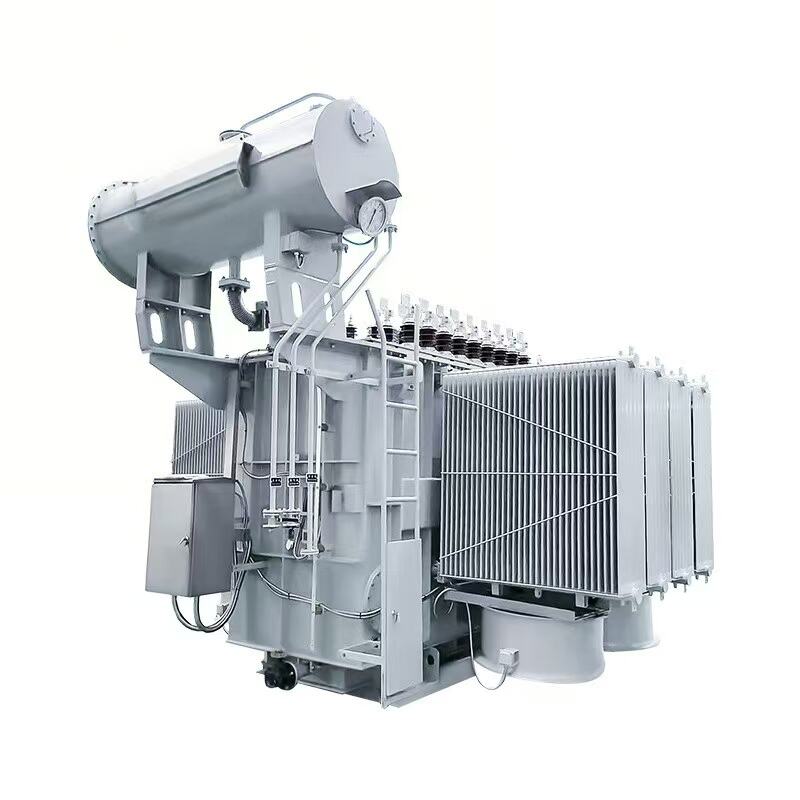
Kragtransformators is een van die mees fundamentele transformatorsoorte waarop elektriese netwerke en groot bedryfsfasiliteite staatmaak. Hulle word ontwerp om by hoë spanningvlakke te werk, gewoonlik bo 33 kV, en word hoofsaaklik gebruik vir die oordrag van elektriese energie oor lang afstande. In bedryfskontekste verhoog of verlaag kragtransformators die spanning tussen die nutsvoorsieningsnetwerk en die fasiliteit se interne verspreidingsnetwerk.
Hierdie eenhede word ontwerp vir aanhoudende, volbelastingbedryf en word gebou met doeltreffendheid as 'n boonste prioriteit. Aangesien hulle reuse hoeveelhede energie hanteer, vertaal selfs marginale verbeterings in kernverlies of koperverlies na betekenisvolle kostebesparings met tyd. Kragtransformators is gewoonlik oliegedompel, wat beide isolasie en verkoeling bied, wat hulle baie geskik maak vir buite-substasies en hoë-kapasiteit bedryfsaanlegte.
Die fisiese grootte en gewig van kragtransformators weerspieël hul kapasiteit. Hulle is nie draagbare eenhede nie — hulle word as permanente infrastruktuurkomponente geïnstalleer. Onderhoudskedules, olie-toetse en termiese monitering is standaardpraktyke om hierdie transformatorsoorte wat elektriese spanne bestuur, gedurende hul dienslewe — wat verskeie dekades kan duur — in optimale toestand te bly.
Verspreidings-transformators en stapaf-funksies
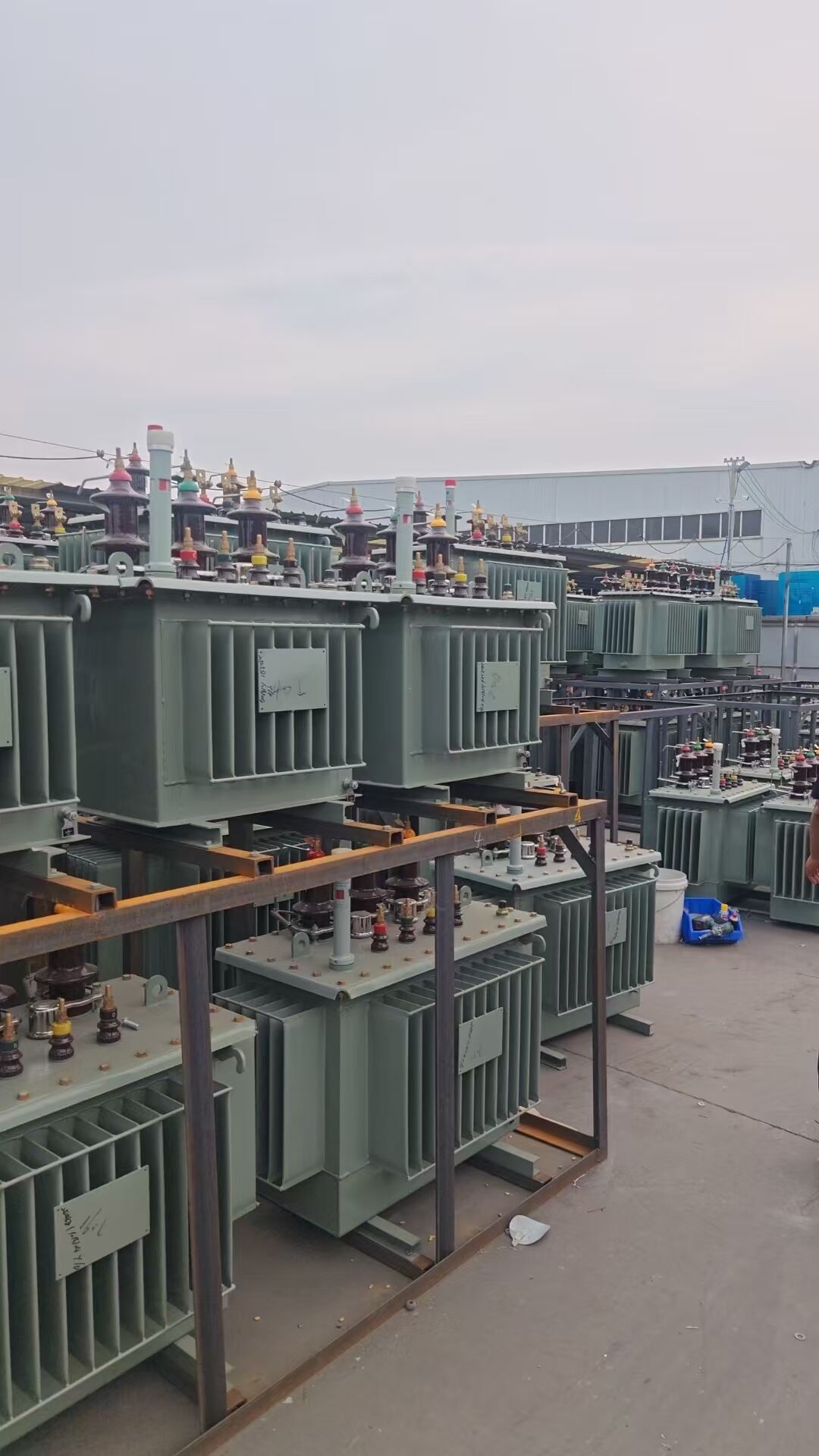
Verspreidings-transformators verteenwoordig 'n ander kritieke kategorie onder die transformatorsoorte waarop elektriese verspreidingsnetwerke staatmaak. Hierdie eenhede werk by laer spanningvlakke en verminder gewoonlik die spanning van middelspanningslyne na die gebruiksspanning wat deur industriële masjinerie, verligtingsstelsels en beheertoerusting vereis word. Hulle vorm die finale skakel in die kragleweringketting voordat elektrisiteit die eindgebruikstoerusting bereik.
In industriële fasiliteite word verspreidingstransformators dikwels naby las-sentrums geïnstalleer om oordragsverlies binne die aanleg tot 'n minimum te beperk. Hulle is beskikbaar in beide oliegedompelde en droë-tipe konfigurasies, waarvan die keuse afhang van binnenshuise teenoor buiteshuise plasing, brandveiligheidsvereistes en omgewingsgevoeligheid. Droë-tipe eenhede word toenemend verkies vir binneshuise industriële toepassings omdat hulle die risiko van olielekke elimineer en die brandgevaar verminder.
Die S11-reeks oliegedompelde verspreidingstransformators, byvoorbeeld, verteenwoordig 'n wyd aangeneemde ontwerp wat 'n balans bied tussen lae leëloopverliese en robuuste konstruksie wat geskik is vir veeleisende industriële omgewings. Dit is noodsaaklik om die lasprofiel van die fasiliteit te verstaan wanneer verspreidingstransformators grootte word, aangesien onderspesifikasie tot oorverhitting lei terwyl oorspesifikasie tot swak doeltreffendheid by gedeeltelike lase lei.
Hoe Droë-tipe en Oliegedompelde Ontwerpe Prakties Verskil
Kenmerke van Droë-tipe Transformators
Van die transformertipes waar tussen elektriese fasiliteitsontwerpers moet kies, neem droë-tipe transformators 'n afsonderlike posisie in. In plaas van vloeibare isolasie maak hierdie eenhede gebruik van lug of hars-inkapseling om die windings te isoleer en af te koel. Dit maak hulle inherente veiliger in omgewings waar ontvlambare vloeistowwe 'n risiko inhou, soos binne-substasies, hospitale, data-sentrums en vele-verdieping industriële geboue.
Droë-tipe transformators wat elektriese ingenieurs vir binne-gebruik spesifiseer, is beskikbaar in gegote-hars- en vakuumdruk-geïmpregneerde (VPI) weergawes. Gegote-hars-eenhede bied uitstekende weerstand teen vog en besoedeling, wat hulle geskik maak vir vogtige of chemies aggressiewe omgewings. VPI-eenhede is meer ekonomies en presteer goed onder standaard binne-omstandighede waar omgewingsblootstelling beheer word.
Die onderhoudsvereistes vir droë-tipe eenhede is gewoonlik laer as vir oliegedompelde ontwerpe. Daar is geen olie om te toets, te filter of te vervang nie, en die risiko van omgewingsbesoedeling as gevolg van lekkasies word uitgeskakel. Droë-tipe transformatorsoorte wat elektriese spanne bestuur, het egter hoër aanvanklike koste en word gewoonlik tot mediumspannings-toepassings beperk, wat dit minder prakties maak vir baie hoë-spanning oordragtakke.
Voordelle van Oliegedompelde Transformators in Swaar Nywerheid
Oliegedompelde transformators bly die dominante keuse onder transformatorsoorte wat elektriese ingenieurs kies vir hoë-kapasiteit- en buitelug-industriële toepassings. Die isolerende olie dien ’n dubbele doel: dit verskaf elektriese isolasie tussen die windings en tree op as ’n koelmiddel wat hitte van die kern en rolle wegvoer. Hierdie kombinasie laat dit toe dat oliegedompelde eenhede hoër drywingsvermoëns hanteer binne ’n meer kompakte fisiese voetprinj as luggekoelde alternatiewe.
In swaar nydighede soos staalvervaardiging, mynbou, sementproduksie en chemiese verwerking word oliegedompelde transformertipes elektriese stelsels verkies as gevolg van hul vermoë om hoë lasse oor lang periodes te dra. Die termiese massa van die olie verskaf 'n buffer teen kortduur-oorbelasting, wat algemeen voorkom in nydighede met veranderlike of piek-intensiewe lasprofiel.
Vordering in transformerolietegnologie, insluitend die gebruik van afbreekbare estervloeistowwe as alternatiewe vir minerale olie, het sommige van die omgewingskwessies aangespreek wat histories met oliegedompelde ontwerpe geassosieer is. Hierdie ontwikkelinge het die reeks omgewings waarin oliegedompelde transformertipes elektriese aankoopspanne as lewensvatbaar beskou het, uitgebrei — insluitend ekologies sensitiewe terreine en plekke met streng brandveiligheidskode.
Spesiale-doeltransformertipes waarop elektriese nydighede staatmaak
Isolasietransformers vir sensitiewe prosesse
Isolasietransformers is 'n gespesialiseerde kategorie onder transformertipes wat elektriese ingenieurs in toepassings gebruik waar elektriese geraas, grondlusse of veiligheidsisolering kritieke bekommernisse is. Hierdie eenhede verskaf 'n galvaniese onderbreking tussen die primêre en sekondêre stroombane, wat die direkte geleiding van foutstrome voorkom en hoëfrekwensie-versteuring onderdruk wat sensitiewe instrumentering of beheerstelsels kan ontwrig.
In industriële outomatisering, farmaseutiese vervaardiging en presisie-metingsomgewings help die tipes isolasietransformers wat elektriese ontwerpers spesifiseer om programmeerbare logika-beheerders, veranderlike frekwensie-aandrywings en analitiese instrumente teen spanningpieke en elektromagnetiese steuring vanaf die voorsieningskant te beskerm. Die isolasiebarrière verbeter ook personeelveiligheid in omgewings waar ongelukkige kontak met geaktiveerde geleiers 'n risiko inhou.
Isolasietransformers word gewoonlik met 'n 1:1 windingsverhouding gewikkel, wat beteken dat hulle nie die spanningvlakke verander nie. Hul waarde lê heeltemal in die elektriese skeiding wat hulle verskaf. Sommige ontwerpe sluit elektrostatiese afskerming tussen die primêre en sekondêre windings in om gemeenskaplike-modus-geluid verdere te verminder, wat hulle tot een van die mees verfynede transformertipes maak wat elektriese ingenieurs vir geraas-gevoelige industriële prosesse kan spesifiseer.
Outotransformers en hul doeltreffendheidsafwisselings
Outotransformers verskil fundamenteel van konvensionele twee-windingontwerpe en verteenwoordig 'n afsonderlike tak onder transformertipes wat elektriese toepassings soms verkies vir hul kompaktheid en doeltreffendheid. In 'n outotransformer dien 'n enkele winding beide as die primêre en sekondêre, met die uitset wat vanaf 'n aftakpunt langs die winding geneem word. Hierdie gedeelde-windingargitektuur verminder die hoeveelheid koper en kernmateriaal wat benodig word, wat lei tot 'n ligter en meer ekonomiese eenheid.
Die doeltreffendheidsvoordeel van outotransformers wat elektriese ingenieurs waardeer, kom van die feit dat slegs 'n gedeelte van die krag magneties getransformeer word — die res word direk geleiding. Dit maak outotransformers veral aantreklik vir toepassings wat beskeie spanningaanpassings vereis, soos motoropstartkringuitstawe, spanningkorreksie in verspreidingsnetwerke en laboratoriumvoedingstelsels waar die inset- en uitsetspannings relatief naby aan mekaar is.
Egter is die afwesigheid van galvaniese isolasie 'n beduidende beperking. Aangesien die primêre en sekondêre 'n gemeenskaplike winding deel, kan 'n fout aan die hoëspanningskant die lae-spanningskringuit direk aan gevaarlike potensiale blootstel. Vir hierdie rede beperk elektriese veiligheidsstandaarde vir outotransformertipes hul gebruik in toepassings waar isolasie benodig word vir personeelbeskerming of toestelintegriteit.
Kies die Regte Transformertipe vir Industriële Toestande
Toepaslike transformatorontwerp vir laskenmerke
By die keuse tussen verskillende transformatorsoorte moet elektriese inkopiespanne 'n deeglike ontleding van die laskenmerke wat die transformator sal dien, doen. Resistiewe lassies, induktiewe lassies en nie-lineêre lassies stel elk verskillende vereistes aan die transformatorontwerp. Nie-lineêre lassies wat deur veranderlike frekwensie-aandrywings, gelykrigters en skakelkragtoevoere gegenereer word, produseer harmoniese strome wat die wikkelverliese verhoog en vroegtydige isolasieverouering in transformators wat nie vir hierdie toestande ontwerp is nie, kan veroorsaak.
Transformators wat vir nie-lineêre lasbedryf bedoel is, word dikwels met 'n K-faktorwaardering gespesifiseer, wat die transformator se vermoë om harmoniese inhoud te hanteer sonder om termiese beperkings te oorskry, kwantifiseer. Die keuse van transformatorsoorte wat deur elektriese ingenieurs korrek vir die harmoniese omgewing van die fasiliteit gewaardeer word, voorkom oorverhitting, verleng die dienslewe en verminder die risiko van onverwagte mislukkings wat produksie kan stilbring.
Laai-groei-voorspellings beïnvloed ook die keuse van transformators. Deur 'n eenheid met 'n mate van toegevoegde kapasiteit bo die huidige piekbelasting te spesifiseer, kan die fasiliteit toekomstige uitbreiding akkommodeer sonder dat die transformator vervang hoef te word. Egter verminder langdurige bedryf van 'n transformator by 'n baie lae persentasie van sy nomynale kapasiteit die doeltreffendheid, dus moet die balans tussen toekomstige aanpasbaarheid en huidige doeltreffendheid noukeurig beoordeel word.
Omgewings- en Installasiefaktore
Die fisiese omgewing waarin 'n transformator geïnstalleer sal word, is 'n beslissende faktor wanneer transformator-tipes vergelyk word; elektriese ingenieurs moet hierdie omgewing evalueer. Buitemuurse installasies in streke met ekstreme temperature, hoë humiditeit, soutlug of industriële besoedeling vereis behuising en isolasie-stelsels wat vir daardie toestande gegradeer is. Transformators wat in tropiese klimaatstreke, kusfasiliteite of naby chemiese verwerkingsareas geïnstalleer word, benodig verbeterde korrosiebeskerming en vogbestandige isolasie.
Hoogte is 'n ander omgewingsveranderlike wat transformertipes beïnvloed waarmee elektriese ontwerpers rekening moet hou. By hoogtes bo 1000 meter verminder die laer lugdigtheid die koelingsdoeltreffendheid van luggekoelde komponente en verlaag die deurslagsterkte van lugkappe. Transformators wat vir installasie op hoë altitudes bedoel is, mag afgetrek of ontwerpveranderinge vereis om veilige bedryfstemperatuure en isolasieprestasie te handhaaf.
Seismiese oorwegings geld in streke met aardbewingsrisiko. Transformertipes wat elektriese ingenieurs vir seismies aktiewe gebiede spesifiseer, moet ontwerp en vasgemaak word om laterale kragte sonder strukturele mislukking of olielekkasie te weerstaan. Hierdie vereistes voeg kompleksiteit by die keuseproses, maar is nie onderhandelbaar nie in fasiliteite waar 'n transformatormislukking kaskade-veiligheidsinsidente of omgewingsbesoedeling kan veroorsaak nie.
VEE
Wat is die hoofverskil tussen kragtransformators en verspreidingstransformators?
Kragtransformators werk teen hoë spanning en word gebruik vir langafstand-energie-oordrag, terwyl verspreidings-transformators die spanning verminder na vlakke wat by die eindgebruiker gebruik word. Van al die transformortipes wat elektriese stelsels gebruik, is kragtransformators geoptimeer vir doeltreffendheid by volbelasting, terwyl verspreidings-transformators ontwerp is om leegloopverliese te minimeer aangesien hulle voortdurend onder spanning bly, ongeag die vraag.
Wanneer moet 'n droë-tipe transformator bo 'n oliegedompelde eenheid gekies word?
Droë-tipe transformortipes is wat elektriese ingenieurs verkies vir binne-installasies waar vuurveiligheid, omgewingsbeskerming of beperkte onderhoudstoegang prioriteit het. Oliegedompelde eenhede is beter geskik vir buite-substasies en hoë-kapasiteit-toepassings waar hul uitstaande termiese prestasie en laer koste by groot nominals waardes duidelike voordele bied. Die besluit hang af van die spesifieke installasiomgewing, veiligheidsvereistes en begrotingsbeperkings.
Kan outotransformers in alle industriële toepassings gebruik word?
Nee. Elektriese veiligheidskode vir outotransformer-tipes beperk hul gebruik in toepassings wat galvaniese isolasie tussen stroombane vereis. Hulle is geskik vir spanningaanpassingstake waar die inset- en uitsetspannings naby aan mekaar is en waar die afwesigheid van isolasie nie 'n veiligheids- of steuringrisiko skep nie. Vir toepassings wat sensitiewe toerusting of personeel se veiligheid behels, is 'n konvensionele twee-winding-transformer met volledige isolasie die gepaste keuse.
Hoe beïnvloed harmoniese belastings die keuse van transformators in industriële fasiliteite?
Harmoniese strome wat deur nie-lineêre ladings gegenereer word, verhoog die wirbelstroomverliese in transformatorwindings, wat addisionele verhitting veroorsaak wat buite die verwagting van die naamplaatwaardes val. Wanneer transformatorsoorte gekies word, moet ingenieurs vir elektriese fasiliteite met beduidende nie-lineêre ladings eenhede spesifiseer met 'n toepaslike K-faktorwaardering om te verseker dat die transformator die harmoniese inhoud sonder oorverhitting kan hanteer. Die ignoreer van harmoniese belasting is 'n algemene oorsaak van voortydige transformatorfailing in moderne industriële omgewings met uitgebreide krag-elektronika.
Table of Contents
- Kernklassifikasie van transformertipes wat elektriese stelsels gebruik
- Hoe Droë-tipe en Oliegedompelde Ontwerpe Prakties Verskil
- Spesiale-doeltransformertipes waarop elektriese nydighede staatmaak
- Kies die Regte Transformertipe vir Industriële Toestande
-
VEE
- Wat is die hoofverskil tussen kragtransformators en verspreidingstransformators?
- Wanneer moet 'n droë-tipe transformator bo 'n oliegedompelde eenheid gekies word?
- Kan outotransformers in alle industriële toepassings gebruik word?
- Hoe beïnvloed harmoniese belastings die keuse van transformators in industriële fasiliteite?
